Aquaculture Feed Innovations in California
What if the secret to sustainable fish production lies in the feed? As we explore the innovations shaping aquaculture in California, you'll discover how these advancements not only impact fish health but also our environment and food choices.
What You Will Learn
- The shift towards plant-based feeds is enhancing sustainability while ensuring nutritious diets for fish.
- Alternative protein sources, such as insect larvae and microalgae, are reducing reliance on traditional fish meal.
- Utilizing precision nutrition can significantly improve fish health and growth rates.
- Innovations like aquaponics systems are creating self-sustaining environments that benefit both fish farming and waste management.
- The importance of certifications in aquaculture is growing, promoting transparency and accountability in fish production.
Key Aquaculture Feed Innovations and Sustainable Practices
Delve into the core advancements and certifications driving sustainable fish production in California.
Latest Trends in Aquaculture Feed
- ‣Plant-Based Feeds for sustainability
- ‣Alternative Proteins (insects, microalgae)
- ‣Precision Nutrition for tailored diets
Role of Feed Additives
- ‣Probiotics for digestion & gut health
- ‣Prebiotics for healthy gut bacteria growth
- ‣Vitamins & Minerals for overall health
Key Takeaways on Feed Innovations
- ‣Alternative Ingredients integration
- ‣Technological Advancements (AI, genome editing)
- ‣Aquaponics Systems for waste management
- ‣Increased Certification & Standards
Aquaculture Certifications
- ‣Global Aquaculture Alliance (GAA)
- ‣Marine Stewardship Council (MSC)
- ‣Aquaculture Stewardship Council (ASC)
Understanding Aquaculture Feed Innovations in California's Sustainable Fish Production
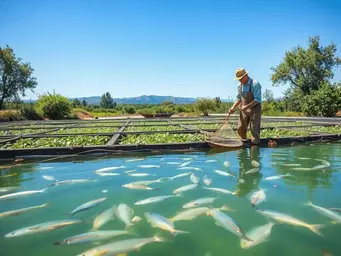
As we dive into the fascinating world of aquaculture, one of the key elements driving success is feed innovation. California is at the forefront of these advancements, creating a ripple effect in sustainable fish production. Have you ever thought about what goes into the fish on your plate? The feed they consume plays a crucial role in their health, growth, and the overall sustainability of our aquatic ecosystems.
In this section, we’ll explore the latest trends in aquaculture feed and why they matter not just for farmers but also for consumers, chefs, and environmental advocates like us. Understanding these innovations not only keeps us informed but also empowers us to make better choices for our health and the planet!
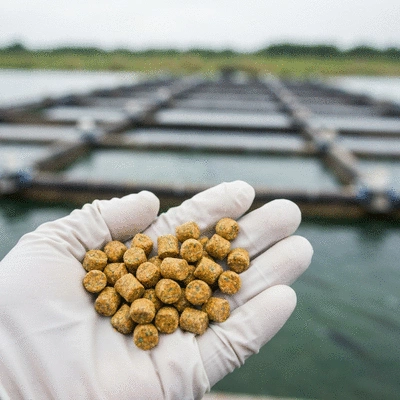
What Are the Latest Trends in Aquaculture Feed?
The landscape of aquaculture feed is ever-evolving, with several exciting trends shaping the industry. Here are some of the latest innovations you should know about:
- Plant-Based Feeds: Increasingly, fish farms are turning to plant-based ingredients, improving sustainability while maintaining nutrition.
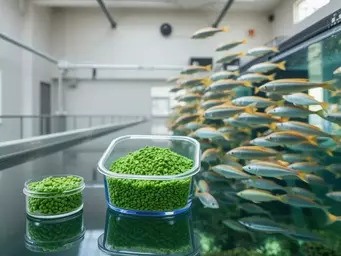
- Alternative Proteins: The use of insect larvae and microalgae is becoming more common, offering sustainable protein sources that can reduce reliance on traditional fish meal.
- Precision Nutrition: Tailoring feed mixtures to meet the specific nutritional needs of different fish species enhances health and growth rates.
These trends not only improve fish health but also support environmental sustainability in California's aquaculture. By shifting towards more responsible feed sources, we can help protect our precious aquatic ecosystems while enjoying delicious seafood!
The Importance of Sustainable Fish Production in California
Sustainable fish production is essential for several reasons. First, it reduces the environmental impact of fishing and helps preserve marine life. By adopting sustainable practices, we can ensure that California's rich aquatic resources thrive for generations to come. Second, consumers are increasingly seeking transparency in their food sources, and sustainable fish farming offers just that.
Moreover, sustainable practices help support local economies! By purchasing fish from responsible farms, we're not only getting fresh, high-quality seafood but also boosting local businesses. California's commitment to sustainability can lead to a healthier society and planet. For instance, initiatives like the 2024 National Aquaculture Initiative are actively looking to enhance production and sustainability in coastal and marine areas.
Exploring the Role of Feed Additives in Enhancing Fish Nutrition
Feed additives are gaining recognition for their role in improving fish nutrition and health. These ingredients can enhance growth rates, boost immune systems, and even improve the flavor of the fish we eat. Some of the most common feed additives include:
- Probiotics: Beneficial bacteria that aid digestion and enhance gut health.
- Prebiotics: Non-digestible fibers that promote the growth of healthy gut bacteria.
- Vitamins and Minerals: Essential nutrients that support overall fish health and growth.
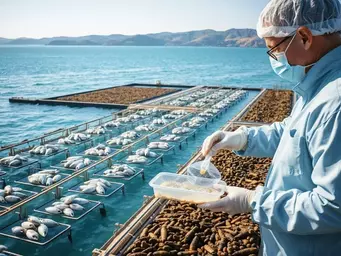
Utilizing these additives allows farmers to produce healthier fish while minimizing the environmental impact. As I’ve seen firsthand at Cal Fish Farm, the right feed can make all the difference in maintaining both fish health and our aquatic ecosystems!
We Want to Hear From You!
What do you think about the current trends in aquaculture feed? Are you excited about the shift towards sustainability in seafood production? Share your thoughts below:
Frequently Asked Questions About Aquaculture Feed Innovations
Summarizing the Future of Sustainable Fish Production in California
As we look ahead, the future of sustainable fish production in California is bright, thanks to ongoing innovations in aquaculture feed. Feed innovations not only enhance fish health and growth but also align with our mission at Cal Fish Farm to promote responsible seafood sourcing. By focusing on sustainability, we can ensure that our aquatic ecosystems thrive while meeting the growing demand for delicious, locally-sourced fish!
As part of this journey, several key trends in feed technology are reshaping the aquaculture landscape. These advancements are pivotal in addressing both economic and environmental challenges faced by fish farmers. Let’s dive into some of the most significant takeaways!
Key Takeaways on Feed Innovations Impacting Aquaculture
- Integration of Alternative Ingredients: Utilizing insects, microalgae, and even local byproducts is transforming fish diets while reducing reliance on traditional feed sources.
- Technological Advancements: Innovations like genome editing and AI are enhancing feed efficiency and ensuring that fish farming adapts to the challenges of climate change.
- Aquaponics Systems: These systems are creating self-sustaining environments that improve waste management and feed production. Some organizations, such as Holdfast Aquaculture, are actively involved in developing and implementing such innovative projects.
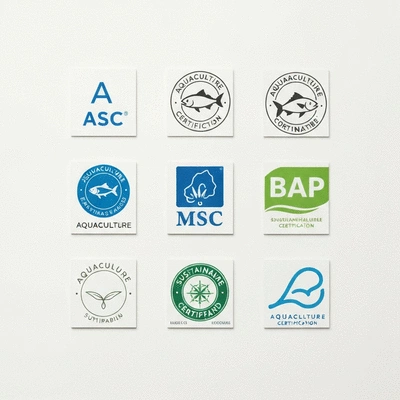
- Increased Certification and Standards: The push for transparency and accountability in aquaculture feed is leading to more certifications that encourage sustainable practices.
These takeaways offer a roadmap for fish farmers looking to innovate responsibly. By embracing these advancements, we can work together toward a more sustainable future! At Cal Fish Farm, we believe that these practices not only benefit the environment but also enhance the quality of the seafood we enjoy.
Exploring Aquaculture Certifications for Sustainable Practices
Understanding aquaculture certifications is essential for consumers and chefs alike. These certifications help ensure that the seafood we source is produced in a way that protects our environment and supports local communities. Here are some noteworthy certifications you might come across:
- Global Aquaculture Alliance (GAA): Their Best Aquaculture Practices (BAP) certification focuses on sustainability, safety, and social responsibility.
- Marine Stewardship Council (MSC): While primarily focused on wild fisheries, this certification promotes responsible fishing practices that can inform aquaculture standards.
- Aquaculture Stewardship Council (ASC): This certification addresses environmental and social responsibility in aquaculture, setting a benchmark for sustainable practices.
By choosing products with these certifications, consumers can actively support sustainable aquaculture and contribute to the health of our oceans. It’s about making informed choices that lead to a more responsible seafood industry, one that we at Cal Fish Farm are proud to champion!
Recap of Key Points
Here is a quick recap of the important points discussed in the article:
- Feed Innovation: California is leading in aquaculture feed innovations, focusing on sustainability and nutrition.
- Trends in Aquaculture Feed: Key trends include plant-based feeds, alternative proteins like insects and microalgae, and precision nutrition tailored to fish species.
- Sustainable Practices: These practices reduce environmental impact, support local economies, and enhance consumer transparency in seafood sourcing.
- Role of Feed Additives: Probiotics, prebiotics, vitamins, and minerals improve fish health and growth, contributing to healthier seafood options.
- Future Outlook: The integration of alternative ingredients, technological advancements, and increased certifications are vital for the future of sustainable aquaculture.
California Aquaculture Regulations Explained
Guide to California Aquaculture Regulations
Aquaculture Feed Innovations in California
Sustainable Seafood Innovations in California
California's Seafood Farming Innovations