Regulatory Landscape Overview
- •Ensure sustainable operations
- •Understand public health requirements
- •Promote environmental stewardship
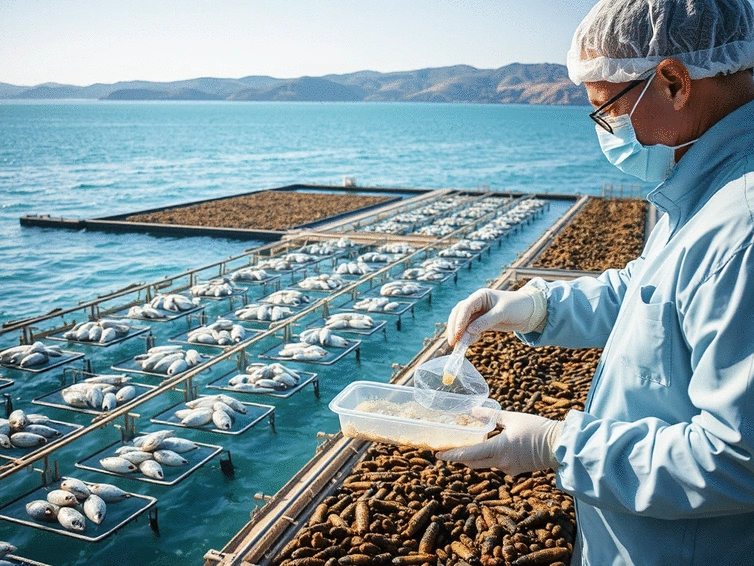
What does the future of seafood look like in California? If you're considering diving into aquaculture, the right knowledge about regulations could set you apart as a responsible operator. Let's explore the essential insights that will guide you on your journey.
Understanding the multi-agency involvement, key processes, and available support is essential for successful and sustainable aquaculture operations in California.
Collaboration streamlines compliance.
Vital resource for operators.
California's aquaculture sector is a vibrant and evolving landscape, filled with opportunities for innovation and sustainability. However, navigating the regulations surrounding this industry is crucial for any prospective operator. Understanding the intricacies of compliance not only ensures a successful start but also fosters the long-term health of our aquatic ecosystems. At Cal Fish Farm, we believe that informed operators make for a more responsible industry!
In this section, we’ll explore the regulatory landscape of California aquaculture, so you can dive in with confidence. From multi-agency involvement to the support available from associations, we’re here to guide you through each step.
California's aquaculture regulations are shaped by a variety of factors, including environmental concerns, public health standards, and the need for sustainable practices. For those entering this field, it’s essential to grasp how these regulations impact your operations. Why is this important? Because compliance not only protects our waters but also enhances your reputation as a responsible producer. You can find comprehensive information on these regulations from the California Department of Fish and Wildlife (CDFW).
By grasping the regulatory landscape, you can avoid costly mistakes and focus on what truly matters—providing quality seafood while safeguarding our precious marine resources.
The regulatory framework governing aquaculture in California involves multiple agencies, each with its own responsibilities. Key players include the California Department of Fish and Wildlife (CDFW), the California Coastal Commission (CCC), the California Department of Public Health (CDPH), and various federal bodies. Each agency plays a critical role in ensuring compliance with environmental and health standards. Here’s a brief overview of their involvement:
Understanding the specific roles of these agencies is vital as you prepare for the permitting process. Why? Because collaboration with these bodies can significantly streamline your path to compliance!
The California Aquaculture Association (CAA) serves as a vital resource for operators navigating the complex regulatory waters. They provide educational resources, advocacy, and support to help operators understand and comply with state and federal regulations. Through their guidance, you can stay informed about changes in legislation and best practices, which can directly impact your operations.
Joining the CAA not only equips you with essential knowledge but also connects you with a community dedicated to sustainable practices. Together, we can champion the future of aquaculture in California!

Understanding the key permitting processes required for aquaculture operations is crucial for success in California. The permitting landscape can vary significantly based on whether you are working in state or federal waters, so let's break it down!
To enhance your compliance journey, consider creating a regulatory calendar. This tool can help you track deadlines for permits, inspections, and renewals, ensuring you stay organized and proactive in your operations. Keeping ahead of these timelines will not only streamline your processes but also instill confidence in your stakeholders and customers regarding your commitment to responsible aquaculture practices.
At Cal Fish Farm, we understand that the foundation of a thriving aquaculture sector lies in environmental stewardship. It's not just about complying with regulations; it's about fostering a culture of sustainability. As prospective operators, it's crucial to align your practices with the Marine Stewardship Council standards and stay committed to ongoing monitoring requirements even after obtaining your permits. This ensures that our precious aquatic ecosystems are preserved for future generations.
Best management practices (BMPs) play a pivotal role in promoting sustainability across aquaculture operations. These practices are designed to minimize the environmental impact of fish farming while maximizing efficiency. Here’s a list of effective BMPs you should consider:
By adopting these BMPs, aquaculture operators can enhance their operations while contributing to the overall health of California’s aquatic ecosystems. The journey towards sustainability is ongoing, and I'm excited to see the innovations and best practices emerging from our local farmers!
Navigating the financial landscape of aquaculture can be challenging, but there’s hope! Various grants, loans, and funding resources are available to support operators through compliance and operational costs. Here’s a quick list of potential funding sources that you might find beneficial:
By exploring these resources, aquaculture operators can alleviate some of the financial burdens associated with starting and maintaining sustainable practices. Remember, every little bit helps in our shared mission for responsible seafood sourcing!
To streamline the permitting process, we've developed interactive tools designed to make your journey smoother. Here are a couple of tools to consider:
These tools not only enhance user engagement but also provide clarity, making it easier for you to navigate the complexities of aquaculture regulations!

Collaboration is key in the aquaculture industry, and connecting with organizations like the California Aquaculture Task Force can be immensely beneficial. Here’s how engaging with industry stakeholders can help:
Don’t underestimate the power of networking! By building relationships with other stakeholders, you can create a stronger, more resilient aquaculture community that prioritizes sustainability and responsible practices.
As we wrap up this section, I encourage you to actively engage with regulatory agencies and utilize the resources available to you. The path to sustainable aquaculture may have its challenges, but with the right information and support, you can navigate it successfully. Remember, we’re all in this together!
If you’re ready to embark on your aquaculture journey, or if you have questions about the permitting process, reach out to us at Cal Fish Farm. We're here to assist you every step of the way, ensuring your efforts contribute to a thriving and sustainable seafood future!
Here is a quick recap of the important points discussed in the article:
California Aquaculture Regulations Explained
Every aspiring aquaculture farmer in California should be equipped with knowledge about the vital re
Guide to California Aquaculture Regulations
What does the future of seafood look like in California? If you're considering diving into aquacultu
Aquaculture Feed Innovations in California
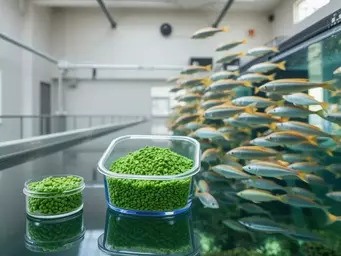
What if the secret to sustainable fish production lies in the feed? As we explore the innovations sh

California Aquaculture Regulations Explained
Guide to California Aquaculture Regulations
Aquaculture Feed Innovations in California
Sustainable Seafood Innovations in California
California's Seafood Farming Innovations