Key Regulatory Agencies
- ● CDFW: Manages fish populations, habitats, and sustainable practices.
- ● Coastal Commission: Oversees coastal development compliance.
- ● NOAA Fisheries: Enforces federal marine resource regulations.
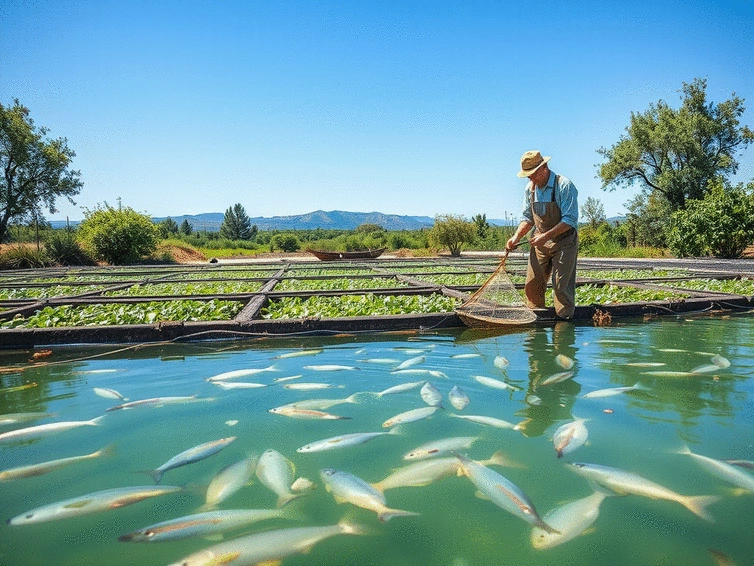
Every aspiring aquaculture farmer in California should be equipped with knowledge about the vital regulations that govern the industry. With the right insights, you can safeguard your operations and contribute to sustainable practices. Here are the key lessons you'll glean from understanding California's aquaculture regulations:
This visual outlines the key regulatory bodies and legislative cornerstones governing aquaculture operations in California, ensuring sustainability and compliance.
As we dive into the world of aquaculture, it's crucial to understand California aquaculture regulations. These regulations are a set of guidelines established to ensure that fish farming practices are safe, sustainable, and in compliance with environmental standards. For aspiring farmers, grasping these regulations is essential not only for legal compliance but also for promoting responsible practices that protect our aquatic ecosystems.
The importance of understanding these regulations cannot be overstated. They help ensure that our farming activities do not harm the environment while also supporting the industry’s growth. As someone deeply invested in sustainable practices at Cal Fish Farm, I can assure you that a solid understanding of these regulations will enhance your farm's credibility and operational success!
Aquaculture regulations encompass laws and guidelines governing the production of fish and other aquatic organisms. They cover various aspects, including water quality, species management, and environmental impact assessments. These regulations play a pivotal role in maintaining the sustainability of our aquatic resources.
Understanding these elements is fundamental for anyone looking to embark on a journey in aquaculture. They not only help in making informed decisions but also in promoting a culture of sustainability among future farmers.
The regulatory landscape for aquaculture in California involves several key agencies, each with distinct responsibilities. The primary players include the California Department of Fish and Wildlife (CDFW), California Coastal Commission, and NOAA Fisheries. Each of these organizations plays a vital role in overseeing aquaculture activities throughout the state.
Being aware of these agencies and their roles helps aquaculture farmers navigate the complex landscape of regulations. It’s important for farmers to maintain open lines of communication with these agencies to ensure compliance and foster a collaborative relationship in developing sustainable practices.
One of the cornerstones of aquaculture regulations in California is the California Fish and Game Code. This legal framework outlines the rules governing the management of fish species, habitats, and the overall aquatic environment. Understanding this code is essential for anyone looking to operate within the aquaculture space.
The Fish and Game Code covers a wide range of topics, including the licensing of aquaculture operations, the protection of native species, and guidelines for sustainable farming practices. As a prospective aquaculture farmer, familiarizing yourself with these legal stipulations is a crucial step towards ensuring that your operations are compliant and contribute positively to the ecosystem.
By understanding the implications of the California Fish and Game Code, you can better position your farm for success while contributing to the sustainable management of California’s precious aquatic resources.
As we’ve explored the intricacies of California's aquaculture regulations, we want to hear from you! What aspect of these regulations do you find most challenging or intriguing? Let us know your thoughts:
Successfully navigating aquaculture regulations is essential for anyone looking to enter the industry. Understanding the complexities of the permitting process, the roles of various regulatory agencies, and the specific legislation affecting your operations can save you time, money, and headaches. Remember, these regulations are in place to ensure sustainability and protect our precious aquatic ecosystems.
As we’ve discussed, key elements include knowing the permitting process, complying with ongoing reporting obligations, and avoiding common pitfalls that can lead to permit denials. Staying informed and proactive will go a long way in helping you establish a successful aquaculture venture in California!
There are numerous resources available to support your journey into aquaculture. Here are some essential links and materials to help you get started:
These resources will provide you with a comprehensive understanding of the regulations and support available to you as a burgeoning aquaculture farmer.
Connecting with the aquaculture community can be invaluable! I encourage you to engage with local groups or online forums where you can share experiences and gather insights from others who have walked this path. Here are a few ways to get involved:
Building these connections will not only enhance your knowledge but also foster a supportive network that can help you navigate challenges in the industry.
Funding is a crucial aspect of launching an aquaculture venture. Thankfully, several opportunities are available to help you secure the necessary financial resources. Consider the following options:
Utilizing these avenues can significantly reduce the financial burden of starting your aquaculture operation, paving the way for a successful and sustainable future in fish farming!
Here is a quick recap of the important points discussed in the article:
California Aquaculture Regulations Explained
Every aspiring aquaculture farmer in California should be equipped with knowledge about the vital re
Guide to California Aquaculture Regulations
What does the future of seafood look like in California? If you're considering diving into aquacultu
Aquaculture Feed Innovations in California
What if the secret to sustainable fish production lies in the feed? As we explore the innovations sh

California Aquaculture Regulations Explained
Guide to California Aquaculture Regulations
Aquaculture Feed Innovations in California
Sustainable Seafood Innovations in California
California's Seafood Farming Innovations