Sustainable Aquaculture: Why It Matters
Sustainable Alternative
Consistent Quality
Supports Local Economies
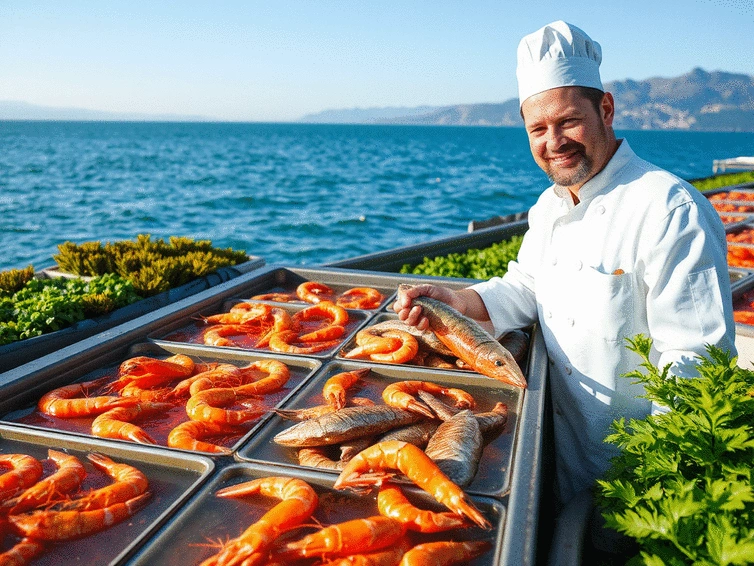
As we embark on this journey through the vibrant world of California's aquaculture, consider this: the choices we make at the dinner table can have a profound impact on our oceans and communities. What if each bite you take contributes to a sustainable future?
This visual outlines the crucial aspects of sustainable aquaculture, tracing the path from responsible farming practices to informed culinary choices and community engagement, highlighting key benefits and trends.
California's aquaculture industry is a vibrant tapestry of practices that connect our local waters to the tables of consumers and chefs alike. At Cal Fish Farm, I’ve seen firsthand how sustainable fish farming is more than just a trend—it's a vital part of our culinary identity. But what exactly is aquaculture, and why is it so important for chefs?
Aquaculture refers to the farming of fish, shellfish, and aquatic plants in controlled environments. This method provides a reliable source of seafood while allowing for responsible management of our marine ecosystems. For chefs, understanding aquaculture means accessing high-quality, sustainable seafood that enhances their menus and aligns with their culinary philosophies. The state has even announced upgrades to 21 state fish hatcheries to boost salmon populations, further emphasizing the commitment to sustainable practices.
Chefs who embrace aquaculture can offer seafood that is not only delicious but also sourced responsibly. This connection to local farmers elevates the dining experience and supports community engagement. By prioritizing aquaculture, chefs can create menus that reflect their commitment to sustainability.
Sustainability plays a critical role in seafood sourcing. With overfishing and habitat destruction affecting our oceans, farmed seafood offers a solution that reduces pressure on wild fish populations. Sustainable aquaculture practices focus on minimizing environmental impact while maximizing output, ensuring that our oceans remain healthy for generations to come. Many efforts are underway to identify aquaculture opportunity areas in California and the Gulf of Mexico, which can further expand sustainable seafood production.
At Cal Fish Farm, we believe that educating chefs about these sustainable practices empowers them to make informed choices. By sourcing from farms dedicated to sustainability, chefs can serve dishes that resonate with environmentally-conscious diners.
Traceability in seafood sourcing ensures that chefs know where their ingredients come from. This transparency builds trust not only with consumers but also within the culinary community. As we navigate the complexities of seafood sourcing, understanding the journey from farm to table is essential.
When chefs are confident about their seafood’s journey, they can share that story with their guests, enhancing the dining experience. It’s this connection to the source that truly brings the farm-to-table concept to life!
When sourcing seafood, consider establishing direct relationships with local aquaculture farms. This not only ensures you receive the freshest products but also allows you to gain insights into sustainable practices and seasonal offerings, enhancing your menu's appeal to environmentally-conscious diners.
As we gaze into the horizon of California's seafood scene, the future of farm-to-table seafood looks promising! With chefs and consumers increasingly aware of the impact of their choices, there are emerging trends that could redefine our culinary landscape. Let’s explore some of these exciting developments that not only benefit our plates but also our oceans!
One of the most significant trends reshaping the aquaculture industry is the shift towards sustainable seafood sourcing. With consumers demanding transparency, chefs have a golden opportunity to highlight local, responsible seafood options. A report by the Aquarium of the Pacific highlights the growth of land-based aquaculture, pointing to exciting new paths for sustainable seafood production. Here are a few trends we’re noticing:
These trends not only elevate the dining experience but also strengthen the connection between chefs and the communities they serve. At Cal Fish Farm, we believe that by staying informed and adapting to these changes, chefs can truly make a difference.
The future of seafood sourcing hinges on the sustainability of our fisheries. As we continue to advocate for responsible practices, it’s essential to understand how sustainable fisheries contribute to healthier ecosystems. Here’s why they matter:
At Cal Fish Farm, we’re committed to highlighting these sustainable practices and their benefits, connecting chefs with resources that promote better seafood sourcing.
In California, the rich culture surrounding seafood extends beyond the kitchen. Engaging with the community through events and festivals is a wonderful way to celebrate local aquaculture and support sustainable practices!
Coastal festivals provide an excellent platform for chefs to showcase their creativity while promoting local seafood. By participating in these events, chefs can:
These festivals foster a sense of community and encourage diners to appreciate the seafood on their plates, promoting a collective commitment to sustainability.
Community Supported Fisheries (CSFs) represent an innovative model that connects consumers directly with local seafood producers. Here’s why this approach is gaining traction:
By promoting and participating in CSFs, chefs can enhance their menu offerings while fostering a deeper connection with their community.
As we move forward, the question remains: how can chefs contribute to sustainable seafood solutions? Together, we can embrace practices that protect our oceans and enrich our culinary landscape!
Chefs play a crucial role in shaping the future of sustainable seafood. Here’s how you can get involved:
By taking these steps, chefs can lead the movement towards more responsible seafood consumption and inspire others to do the same!
Reaching out to local fish farms can greatly enhance your menu and your restaurant's commitment to sustainability. Consider these tips:
Establishing these connections will not only benefit your dishes but also support the local aquaculture community.
Collaboration among chefs can lead to exciting culinary innovations that highlight sustainable seafood. Here are a few ideas to consider:
By collaborating, chefs can amplify their impact and inspire a community-wide movement towards sustainability in the culinary world.
Here is a quick recap of the important points discussed in the article:
California Aquaculture Regulations Explained
Every aspiring aquaculture farmer in California should be equipped with knowledge about the vital re
Guide to California Aquaculture Regulations
What does the future of seafood look like in California? If you're considering diving into aquacultu
Aquaculture Feed Innovations in California
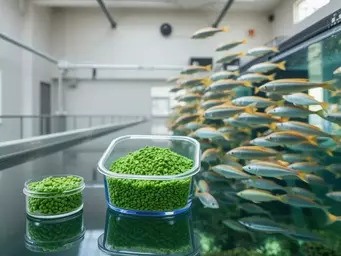
What if the secret to sustainable fish production lies in the feed? As we explore the innovations sh
California Aquaculture Regulations Explained
Guide to California Aquaculture Regulations
Aquaculture Feed Innovations in California
Sustainable Seafood Innovations in California
California's Seafood Farming Innovations