Marine Conservation Efforts
- MPAs: Safeguard vital habitats and species.
- Organizations: Coastal Commission, Dept. of Fish and Wildlife.
- Non-profits: Monterey Bay Aquarium Seafood Watch.
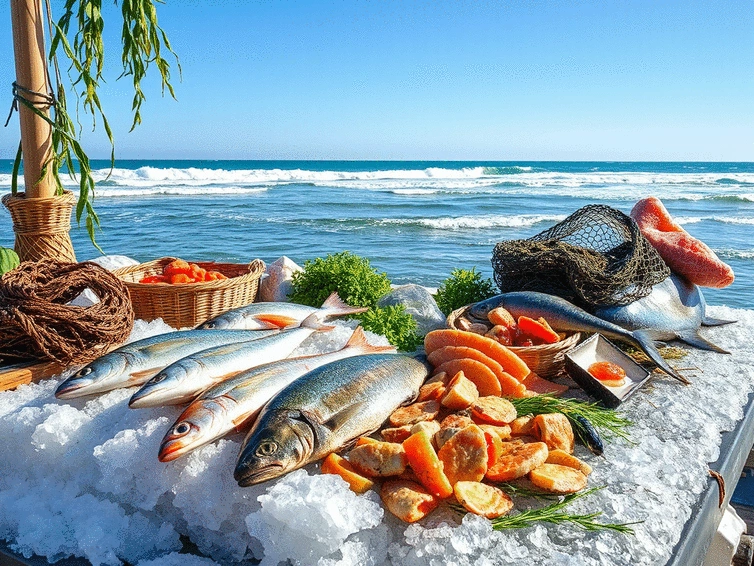
What role does California play in the future of sustainable seafood? With rich marine biodiversity and innovative practices, our state is at the forefront of reshaping how we source and enjoy our seafood. Dive in to discover the key takeaways from this transformative movement!
Delve into the core elements driving California's sustainable seafood movement, from conservation efforts to innovative farming practices and stakeholder engagement.
As an aquaculture expert familiar with the intricate dynamics of California's seafood industry, I find that sustainable seafood is not just a trend; it’s a fundamental shift in how we view our ocean resources. This term encompasses practices that not only prioritize fish health and productivity but also protect the ocean's delicate ecosystems. Sustainable seafood ensures that our dining tables are filled with choices that are not only delicious but also ethically sourced.
In this vibrant state, the importance of sustainable seafood is amplified by our rich marine biodiversity. By embracing these practices, we can help preserve fish populations, minimize habitat destruction, and maintain the ecological balance that supports both marine life and coastal communities.
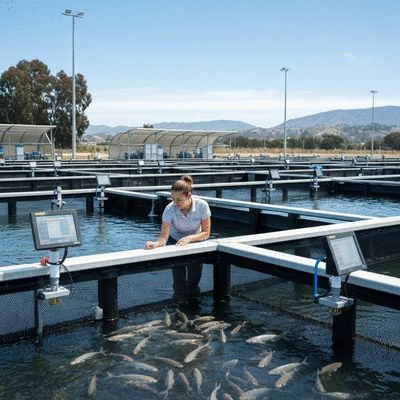
So, what exactly is sustainable seafood? It refers to fish and shellfish that are harvested or farmed in ways that ensure their populations remain healthy and ecosystems remain intact. This approach is crucial for a few pivotal reasons:
At Cal Fish Farm, we’re dedicated to highlighting these benefits. It’s essential for readers to understand not just the what, but the why behind sustainable seafood choices.
California is leading the charge in marine conservation efforts, with several initiatives aimed at promoting sustainable fishing practices. Organizations and local governments are collaborating to establish marine protected areas (MPAs) that safeguard vital habitats and species. These efforts significantly contribute to the sustainability of our fishing industry. For more information on California's commitment to sustainable practices, you can refer to the Ocean Protection Council's sustainable fisheries initiatives.
These combined efforts are not just about regulations; they represent a community commitment to preserving our oceans and ensuring that sustainable practices are the norm rather than the exception.
As we dive deeper into the sustainable seafood movement, it’s clear that California plays a pivotal role on both a national and global scale. Our state is home to a diverse array of aquaculture innovations and seafood farming techniques that set benchmarks for sustainability. The Sustainable Seafood Initiative at UC San Diego further exemplifies California's dedication to advancing these practices.
At Cal Fish Farm, I’m proud to be part of this vibrant community that is dedicated to shaping a sustainable seafood future. Together, we can advocate for responsible practices that protect our marine ecosystems while enjoying the fruits of our local waters!
A: Sustainable seafood refers to fish and shellfish harvested or farmed in ways that ensure healthy populations and intact ecosystems, preventing overfishing and minimizing environmental harm.
A: Sustainable seafood is crucial for California due to its rich marine biodiversity. It helps preserve fish populations, reduces habitat destruction, maintains ecological balance, and supports local economies.
A: Key organizations include the California Coastal Commission, the California Department of Fish and Wildlife, and non-profit groups like the Monterey Bay Aquarium with its Seafood Watch program.
A: California contributes through innovative aquaculture technologies, educational initiatives for consumers and chefs, and strong collaborative efforts between farmers, environmental advocates, and government bodies.
A: You can support sustainable seafood by choosing sustainably sourced products, participating in local initiatives, advocating for responsible seafood policies, and engaging with educational programs on marine conservation.
As we explore the importance of sustainable seafood, we want to hear from you! What aspect of sustainable seafood practices do you find most compelling?
As we look ahead to the future of sustainable seafood in California, it’s clear that the landscape is evolving rapidly. With innovative technologies and best practices emerging, the potential for responsible fish farming has never been more promising. At Cal Fish Farm, we are excited to share our insights on how these advancements can reshape our seafood industry for the better! For a deeper dive into potential solutions for the future of seafood, consider resources like those provided by the Aquarium of the Pacific.
To highlight the essential aspects of this transformation, let’s break down some key takeaways on the latest technologies and practices that are setting the course for a sustainable seafood future in California:
Each of these elements plays a vital role in reshaping our relationship with the ocean and ensuring that we can enjoy the bounty of the sea for generations to come.

At Cal Fish Farm, we believe that collaboration is key to achieving our mission of promoting sustainable aquaculture practices. Engaging with various stakeholders—including farmers, chefs, consumers, and environmental advocates—is essential for creating a unified approach to seafood sustainability. Together, we can make informed choices that benefit both our palates and our planet!
Here are some ways stakeholders can actively participate in this journey towards a sustainable seafood future:
By fostering this collaborative spirit, we can drive meaningful change in our communities and ensure a healthier ocean for all.
As climate change continues to impact our oceans, it’s imperative that we adopt sustainable practices that contribute to ocean health. At Cal Fish Farm, we recognize the interconnectedness of our actions and the environment, which is why we advocate for practices that not only boost productivity but also protect marine ecosystems.
Here are several critical areas where sustainable practices can play a significant role in addressing climate change:
By committing to these sustainable practices, we can help mitigate the effects of climate change and safeguard the future of our aquatic resources. Together, let’s pave the way for a thriving seafood industry that prioritizes both our health and the health of our oceans!
Here is a quick recap of the important points discussed in the article:
California Aquaculture Regulations Explained
Every aspiring aquaculture farmer in California should be equipped with knowledge about the vital re
Guide to California Aquaculture Regulations
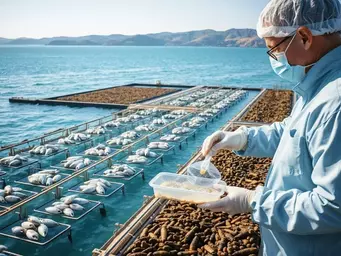
What does the future of seafood look like in California? If you're considering diving into aquacultu
Aquaculture Feed Innovations in California
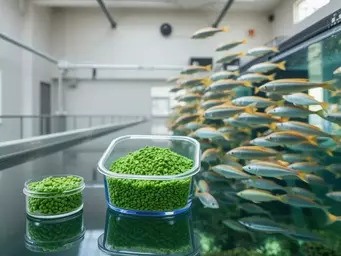
What if the secret to sustainable fish production lies in the feed? As we explore the innovations sh
California Aquaculture Regulations Explained
Guide to California Aquaculture Regulations
Aquaculture Feed Innovations in California
Sustainable Seafood Innovations in California
California's Seafood Farming Innovations