As you dive into the world of aquaculture in California, consider this: the state's unique coastal resources hold immense potential for sustainable seafood production. Understanding Aquaculture Opportunity Areas (AOAs) not only enriches your knowledge but empowers you to make informed choices that positively impact both the environment and local economies.
What You Will Learn
AOAs are strategically identified zones for aquaculture, designed to minimize conflicts with other marine activities and promote sustainable seafood production.
Executive orders significantly shape aquaculture policy, prioritizing environmental sustainability and streamlining regulatory processes for new businesses.
Key regulatory agencies, including the California Department of Fish and Wildlife, play vital roles in ensuring compliance and promoting responsible fish farming practices.
Understanding market demand and local species can give investors and entrepreneurs a strong foundation for entering the aquaculture industry successfully.
California's Aquaculture Landscape: Opportunities and Regulatory Framework
Delve into the strategic elements shaping California's aquaculture, from designated opportunity areas to the pivotal roles of key regulatory bodies. This overview highlights the collaborative efforts driving sustainable growth in the seafood industry.
Overview of NOAA's Aquaculture Opportunity Areas (AOAs)
Strategically chosen based on environmental conditions, minimizing conflicts with other marine activities.
Reduce competition for ocean space.
Based on thorough environmental assessments.
Collaborate with local stakeholders.
Role of Executive Orders in Aquaculture Policy
Influence various aspects from environmental protections to economic incentives, emphasizing sustainable practices.
Streamline regulatory processes.
Prioritize environmental sustainability.
Foster government-entrepreneur partnerships.
Key Agencies in CA Aquaculture Framework
Oversee compliance and ensure sustainable practices in the state's aquaculture ventures.
California Dept. of Fish and Wildlife (CDFW).
California Coastal Commission.
CA Dept. of Public Health.
Role of the California Department of Fish and Wildlife (CDFW)
A cornerstone of the state's aquaculture framework, ensuring positive impacts on marine life and economies.
Researches ecological impact.
Guides best sustainable practices.
Facilitates permits and regulatory compliance.
Understanding California Aquaculture Opportunity Areas and Their Significance
California is at the forefront of sustainable aquaculture practices, and understanding the Aquaculture Opportunity Areas (AOAs) is crucial for anyone interested in this growing industry. These designated areas are not only pivotal for fish farming but are also essential to the economic landscape of our coastal communities. At Cal Fish Farm, we believe that educating ourselves about these opportunities can lead to better practices and more informed choices for local consumers and advocates alike.
In this section, we'll explore the significance of AOAs in California’s aquaculture sector and how they can contribute to both environmental sustainability and economic growth. From the regulatory framework to the various local opportunities, there's much to discover about how we can harness our precious aquatic resources responsibly.
Overview of NOAA's Aquaculture Opportunity Areas (AOAs)
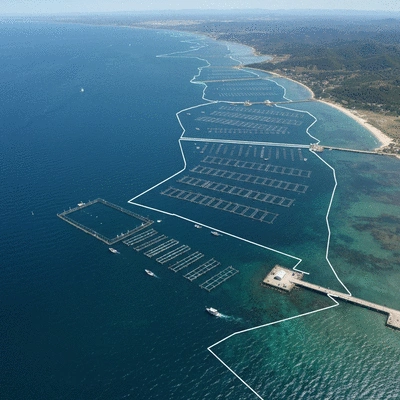
The National Oceanic and Atmospheric Administration (NOAA) has identified specific Aquaculture Opportunity Areas as part of its commitment to fostering sustainable seafood production. These AOAs are strategically chosen based on environmental conditions, minimizing potential conflicts with other marine activities. The goal is to provide safe spaces for aquaculture development while ensuring that our marine ecosystems remain vibrant.
AOAs are designed to reduce competition for space among various ocean users.
They are based on thorough assessments of environmental conditions, such as water quality and species suitability.
NOAA collaborates with local stakeholders to ensure community involvement in the planning process.
By designating these areas, NOAA not only enhances the potential for sustainable fish farming but also promotes responsible use of our marine resources. This thoughtful approach is essential for preserving California’s rich aquatic ecosystems.
The Role of Executive Orders in Shaping Aquaculture Policy
Executive orders have played a significant role in shaping aquaculture policy across the United States, including California. These directives influence various aspects of aquaculture development, from environmental protections to economic incentives. For example, recent orders have emphasized the need for sustainable practices that align with our environmental goals.
Executive orders can streamline regulatory processes, making it easier for new businesses to enter the market.
They often prioritize environmental sustainability in aquaculture practices, ensuring a balanced approach.
Executive actions can foster partnerships between government agencies and local entrepreneurs, promoting growth in the sector.
It's clear that both executive orders and regulations are pivotal in guiding how aquaculture evolves in California. As we continue to advocate for responsible practices, understanding these policies will empower us to navigate the landscape more effectively.
California's Aquaculture Regulatory Framework and Key Agencies
Navigating California's aquaculture regulatory framework is essential for anyone looking to invest or engage in aquaculture ventures. Several key agencies oversee compliance and ensure that practices are sustainable and responsible. Understanding their roles can help prospective fish farmers align with state regulations, as highlighted by resources like the California Aquaculture Association.
The California Department of Fish and Wildlife (CDFW) plays a critical role in monitoring fish populations and habitats.
The California Coastal Commission ensures that aquaculture activities align with coastal management policies.
Other agencies, such as the California Department of Public Health, oversee food safety regulations for seafood.
By familiarizing ourselves with these key agencies, we can better understand the landscape of aquaculture regulation in California. It helps create a climate of transparency and trust, crucial for fostering community support and ensuring responsible seafood sourcing.
The Role of the California Department of Fish and Wildlife in Aquaculture
The California Department of Fish and Wildlife (CDFW) is a cornerstone of the state's aquaculture framework. This agency is responsible for ensuring that fish farming practices positively impact both marine life and local economies. Their work is crucial for maintaining the balance between aquaculture development and environmental preservation.
CDFW conducts research to assess the ecological impact of aquaculture.
They provide guidance on best practices for sustainable fish farming.
The agency also facilitates permits and regulatory compliance for aquaculture operations.
With CDFW's support, we can move toward a future where aquaculture thrives alongside healthy ecosystems. Their insights and regulations help pave the way for responsible practices that benefit all stakeholders involved.
Frequently Asked Questions about California Aquaculture
What are Aquaculture Opportunity Areas (AOAs)?
Aquaculture Opportunity Areas (AOAs) are designated zones identified by NOAA for sustainable aquaculture development. They are strategically chosen based on environmental conditions and designed to minimize conflicts with other marine activities, ensuring safe and productive spaces for fish farming.
How do Executive Orders impact aquaculture in California?
Executive orders significantly shape aquaculture policy by influencing environmental protections, economic incentives, and regulatory streamlining. They prioritize sustainable practices, making it easier for new businesses to enter the market and fostering partnerships between government agencies and entrepreneurs.
Which key agencies regulate aquaculture in California?
Several key agencies oversee California's aquaculture, including the California Department of Fish and Wildlife (CDFW), which monitors fish populations and habitats; the California Coastal Commission, which ensures compliance with coastal management policies; and the California Department of Public Health, which handles food safety regulations for seafood.
What role does the California Department of Fish and Wildlife (CDFW) play?
The CDFW is crucial for maintaining the balance between aquaculture development and environmental preservation. It conducts research on ecological impact, provides guidance on sustainable practices, and facilitates permits and regulatory compliance for aquaculture operations.
What opportunities exist for investors and entrepreneurs in California's aquaculture?
Opportunities include expanding AOAs, technological advancements in fish farming, and growing consumer demand for sustainable seafood. Investors and entrepreneurs should research market demand, connect with existing enterprises, explore available resources, and understand the permitting process.
Are there funding options available for new aquaculture ventures?
Yes, various grants and funding options are available, such as federal and state grants promoting sustainable aquaculture, partnerships with universities or research institutions, and investment from community development funds.
We Want to Hear From You!
As we delve deeper into the opportunities and challenges within California's aquaculture sector, we’d love to know your thoughts! What aspect of sustainable seafood practices excites you the most? Choose one of the options below:
Summarizing the Opportunities and Challenges in California's Aquaculture
California's aquaculture industry presents a dynamic landscape filled with both opportunities and challenges. With its vast coastline and innovative practices, there are many pathways for growth. However, as we explore the future of aquaculture in Southern California, it’s crucial to recognize the factors that influence this vibrant sector. By staying informed and proactive, we can work together to leverage these opportunities while addressing the challenges head-on!
Evaluating the Future of Aquaculture in Southern California
The future of aquaculture in Southern California looks promising, thanks to supportive policies and an increasing consumer demand for locally sourced seafood. Key areas to watch include:
The expansion of Aquaculture Opportunity Areas (AOAs) that encourage sustainable practices.
Technological advancements in fish farming techniques that improve efficiency and output.
Growing awareness among consumers about the benefits of sustainable seafood.
Furthermore, the collaboration between various stakeholders, including government agencies, local businesses, and environmental advocates, plays a crucial role in shaping this industry's future. As I’ve seen through my work at Cal Fish Farm, this interconnectedness can drive innovation and foster a vibrant aquaculture community.
Call to Action: Steps for Investors and Entrepreneurs to Get Started
If you’re an investor or entrepreneur looking to dive into California's aquaculture scene, there are several steps you can take to get started. Here’s a quick guide:
Research the market demand and identify potential species that are in high demand locally.
Connect with existing aquaculture enterprises to learn from their experiences and insights.
Explore available resources, such as workshops or mentorship programs, to enhance your knowledge.
Understand the permitting process by reaching out to relevant agencies, such as the California Department of Fish and Wildlife.
Taking these initial steps can set you up for success as you navigate the world of aquaculture. Remember, the journey is just as important as the destination, and learning along the way will enrich your experience!
Exploring Aquaculture Grants and Funding for Future Ventures
One of the most significant challenges for new ventures in aquaculture is securing funding. Thankfully, there are various grants and financing options available. For instance, resources like California Sea Grant offer competitive funding opportunities. Here are some to consider:
Federal and state grants specifically aimed at promoting sustainable aquaculture.
Partnerships with local universities or research institutions that may offer funding for innovative projects.
Investment from community development funds that support local businesses.
By taking advantage of these opportunities, aspiring entrepreneurs can ease the financial burden of starting an aquaculture venture. At Cal Fish Farm, we’re committed to providing resources and updates on funding opportunities to support your journey towards sustainable seafood production!
Recap of Key Points
Here is a quick recap of the important points discussed in the article:
Aquaculture Opportunity Areas (AOAs) are crucial for sustainable fish farming and economic growth in California.
NOAA's identification of AOAs helps minimize conflicts with other marine activities and supports responsible use of resources.
Executive orders influence aquaculture policy by promoting environmental sustainability and streamlining regulations.
Familiarity with key regulatory agencies like the California Department of Fish and Wildlife is essential for compliance and sustainable practices.
The future of aquaculture in Southern California looks promising due to supportive policies and rising consumer demand for local seafood.
Investors and entrepreneurs should research market demand, connect with local businesses, and understand the permitting process to succeed in aquaculture.
Various grants and funding options are available to support sustainable aquaculture ventures.
At Cal Fish Farm, we are dedicated to exploring California’s dynamic aquaculture industry. Our mission is to promote sustainable practices, educate consumers, chefs, and advocates, and empower them with knowledge about responsible fish production and aquatic ecosystem management.


California Aquaculture Regulations Explained
Guide to California Aquaculture Regulations
Aquaculture Feed Innovations in California
Sustainable Seafood Innovations in California
California's Seafood Farming Innovations