

California Aquaculture Research Centers Guide
As the demand for sustainable seafood rises, understanding the role of aquaculture research in California becomes increasingly important. This vibrant field is not just about farming fish; it's about innovating practices that protect our marine ecosystems while ensuring economic growth.
What You Will Learn
- Aquaculture research is vital for developing sustainable fish farming practices that minimize environmental impacts.
- Innovation in aquaculture leads to improved techniques that boost fish health and production efficiency.
- Engaging with local aquaculture centers provides valuable networking and learning opportunities for individuals and communities.
- California Sea Grant plays a crucial role in supporting aquaculture research by funding projects and facilitating collaboration between researchers and farmers.
California's Aquaculture Research Focus
This visual highlights the key objectives and supporting entities driving sustainable aquaculture research and development in California.
Key Objectives of Aquaculture R&D
- • Sustainable farming practices to minimize environmental impacts.
- • Enhancing nutritional quality and safety of farmed seafood.
- • Innovating breeding programs for fish resilience and growth.
Role of California Sea Grant
- • Funding research projects to advance technologies.
- • Providing training and education for fish farmers.
- • Facilitating collaboration among researchers and industry.
Benefits of Engaging with Centers
- • Access to cutting-edge research and innovations.
- • Networking opportunities with industry experts.
- • Hands-on learning for students and professionals.
Encouraging Involvement Avenues
- • Participate in local workshops and seminars.
- • Volunteer for research projects or internships.
- • Engage in community discussions on sustainable seafood.
Understanding California’s Aquaculture Research Landscape
California's aquaculture research landscape is a vibrant ecosystem that plays a critical role in shaping the future of seafood production. With the state's diverse aquatic environments, research in aquaculture is not just about farming fish; it's about understanding how to do so sustainably while preserving our precious marine resources. As we delve into this landscape, let’s explore the significance of aquaculture research and its impact on local communities.
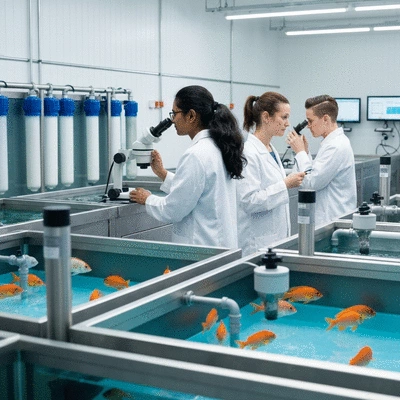
Why is aquaculture research so important in California? The answer lies in our ever-evolving environmental challenges, ranging from climate change to overfishing, which have made it essential to innovate and adapt our practices. Through research, we can enhance fish farming techniques, improve fish health, and develop strategies that benefit both the economy and the ecosystem.
Defining Aquaculture Research and Its Importance in California
Aquaculture research encompasses a wide range of scientific inquiries aimed at improving fish farming practices, developing new technologies, and assessing environmental impacts. In California, where the fishing industry has deep roots, aquaculture research is vital for ensuring the sustainability of our seafood supply. It not only focuses on enhancing production but also addresses the ecological balance necessary for thriving aquatic ecosystems.
- Innovation: Continuous research leads to new methods and technologies that make fish farming more efficient.
- Environmental Health: Studies help us understand and mitigate the impacts of aquaculture on local ecosystems. For example, a recent report from the California Ocean Protection Council highlights the state's commitment to protecting coastal and ocean resources.
- Economic Growth: By fostering sustainable practices, research supports job creation in the aquaculture sector.
These aspects emphasize the need for a coordinated research effort in California's aquaculture landscape, reflecting our commitment to sustainability and responsible seafood sourcing. The Central Coast Regional Water Quality Control Board also provides insights into regulatory frameworks impacting aquaculture operations.
Key Objectives of Aquaculture Research and Development
The primary objectives of aquaculture research are centered around enhancing sustainability, improving yield, and ensuring product quality. At Cal Fish Farm, we recognize that these objectives are essential for the long-term viability of the industry. Here are some of the key goals:
- Developing sustainable farming practices that minimize environmental impacts.
- Enhancing the nutritional quality and safety of farmed seafood.
- Innovating breeding programs to improve fish resilience and growth rates.
By focusing on these objectives, California's aquaculture research initiatives aim to benefit both the industry and the environment, paving the way for a more responsible seafood future.
Role of California Sea Grant in Supporting Aquaculture Initiatives
The California Sea Grant plays a pivotal role in fostering aquaculture research and development. With its mission to support sustainable coastal and marine resource management, the grant program provides funding and resources for various initiatives. This support helps connect researchers with local farmers and advocates, making it easier to share knowledge and practices.
- Funding research projects that advance aquaculture technologies.
- Providing training and education for fish farmers.
- Facilitating collaboration between researchers and industry stakeholders.
Through these efforts, California Sea Grant not only enhances the research landscape but also strengthens the community of aquaculture practitioners dedicated to sustainable seafood practices. Together, we can work toward a thriving future for California's aquaculture industry!
Interactive Poll
As we explore the fascinating world of aquaculture research, we want to hear from you! What aspect of sustainable fish farming interests you the most?
Frequently Asked Questions About Aquaculture Research in California
- What is the primary goal of aquaculture research in California?
- The primary goal is to develop sustainable fish farming practices that minimize environmental impacts while ensuring economic growth and food security. This includes innovating techniques, improving fish health, and protecting marine ecosystems.
- How does aquaculture research benefit the environment?
- Aquaculture research helps understand and mitigate the environmental impacts of fish farming, promoting sustainable practices. It also aids in developing strategies to address challenges like climate change and overfishing, contributing to the health of aquatic ecosystems.
- What role does California Sea Grant play in aquaculture research?
- California Sea Grant is crucial for fostering aquaculture research and development. It provides funding for projects, offers training and education for fish farmers, and facilitates collaboration among researchers and industry stakeholders to advance sustainable practices.
- Why should individuals engage with local aquaculture centers?
- Engaging with aquaculture centers offers numerous benefits, including access to cutting-edge research and innovations, networking opportunities with industry experts, hands-on learning experiences, and the chance to contribute to sustainable practices that support local ecosystems.
- How can I get involved in promoting sustainable aquaculture?
- You can get involved by participating in local workshops and seminars, volunteering for research projects or internships, engaging in community discussions about sustainable seafood, and staying informed about new developments from research facilities.
Summarizing Key Insights on Aquaculture Research in California
As we navigate the intricate world of aquaculture research in California, it's clear that engaging with local research centers offers a wealth of knowledge and opportunity. These institutions are not just hubs of scientific inquiry; they represent a vibrant community dedicated to fostering sustainable seafood practices. By collaborating with researchers and participating in projects, we can all contribute to a healthier aquatic ecosystem.
The importance of engaging with aquaculture centers extends beyond academic research. It connects us to the very heart of our local fisheries, highlighting the balance between productive aquaculture and environmental stewardship. This engagement empowers us to make informed choices about seafood sourcing, ensuring that our plates reflect responsible practices.

Why Engaging with Aquaculture Centers is Valuable
Participating in aquaculture research creates numerous benefits for both individuals and the broader community. Here are some key reasons to consider:
- Access to cutting-edge research and innovations
- Opportunities for networking with industry experts
- Hands-on learning experiences for students and aspiring professionals
- Contribution to sustainable practices that support local ecosystems
By immersing ourselves in these environments, we can witness firsthand how research translates into practice. Engaging with these centers also opens doors for collaboration, enabling us to share insights and foster community connections that drive our mission at Cal Fish Farm.
Encouraging Involvement in Aquaculture Research and Development
At Cal Fish Farm, we believe that everyone can play a role in promoting sustainable aquaculture. Whether you're a consumer, chef, or environmental advocate, getting involved in aquaculture research can be incredibly rewarding. By advocating for responsible practices, we not only support local farmers but also help safeguard the future of our aquatic ecosystems.
To encourage involvement, consider the following avenues:
- Participate in local workshops and seminars hosted by aquaculture centers
- Volunteer for research projects or internships to gain hands-on experience
- Engage in community discussions about sustainable seafood practices
- Follow updates from research facilities to stay informed about new developments
There's a growing community eager to connect and share knowledge. I invite you to explore these opportunities and discover how your contributions can make a difference!
Recap of Key Points
Here is a quick recap of the important points discussed in the article:
- Aquaculture research in California is crucial for sustainable seafood production, addressing environmental challenges like climate change and overfishing.
- Key objectives include developing sustainable farming practices, enhancing seafood quality, and innovating breeding programs.
- California Sea Grant plays a vital role by providing funding and resources to support aquaculture initiatives and foster collaboration.
- Engaging with aquaculture centers offers access to research, networking opportunities, and hands-on learning experiences.
- Involvement in aquaculture research promotes sustainable practices and supports local ecosystems, benefiting both consumers and farmers.

California Aquaculture Regulations Explained
Guide to California Aquaculture Regulations
Aquaculture Feed Innovations in California
Sustainable Seafood Innovations in California
California's Seafood Farming Innovations