Overview of California’s Sustainable Aquaculture Advances
Ecological Balance
Pioneering farm practices.
Production Efficiency
New technologies enhance output.
Renewable Energy
Integration in fish farming.
Sustainable Feed
Research & development.
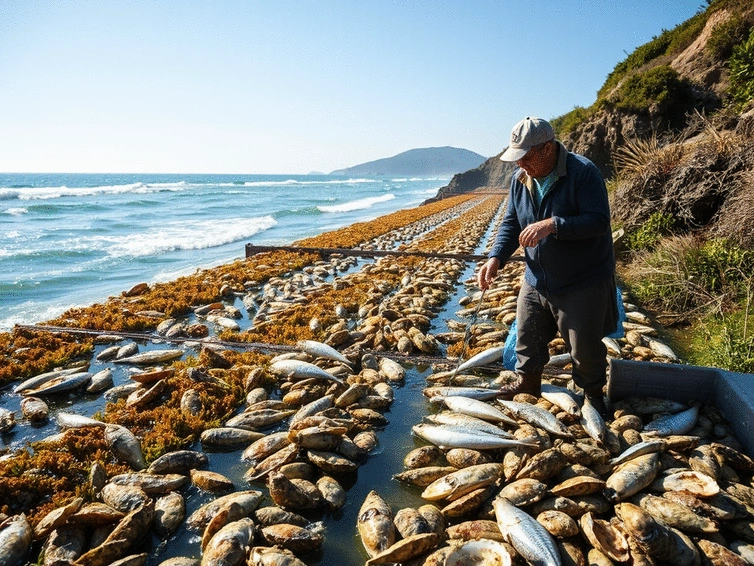
California is redefining seafood sourcing through innovative aquaculture practices that prioritize sustainability and community support. As you explore this topic, consider how your choices at the market can contribute to a healthier ocean and a thriving local economy.
Delve into the key areas of California's aquaculture, highlighting its sustainable advances, technological innovations, and significant community and economic contributions.
Pioneering farm practices.
New technologies enhance output.
Integration in fish farming.
Research & development.
Smart Farming: IoT monitoring for health & water.
Aquaponics: Fish farming with plant cultivation.
Bioremediation: Plants improving water quality.
Enhanced Freshness: Local sourcing equals quicker delivery.
Reduced Emissions: Shorter supply chains, less carbon.
Community Support: Boosts local economy & ties.
Numerous employment opportunities.
Strengthening local industries.
Local farms protect ecosystems.
Embracing practices for future.
MSC certifications for sustainable practices.
Labels help informed consumer choices.
Encourages environmentally friendly operations.
Leads to sustainable change and ocean health.
As we dive into the world of aquaculture, it’s essential to understand its vital role in how we source seafood. Aquaculture, often referred to as fish farming, involves cultivating aquatic organisms like fish, shellfish, and seaweed in controlled environments. This practice is increasingly crucial as it helps meet the growing demand for seafood while minimizing pressure on wild populations. Have you ever thought about where your favorite fish dinner comes from? The answer might surprise you!
At Cal Fish Farm, we see aquaculture as a bridge connecting local farmers, consumers, and chefs. By understanding and supporting sustainable fish farming practices, we can ensure that the seafood we enjoy is not only delicious but also responsibly sourced. Let’s explore how California is at the forefront of these innovations! For more information on the industry and its challenges, you can refer to the Composition of California's Aquaculture Industry and Surveying Its Disease Challenges and Management Strategies report.
Aquaculture plays a critical role in seafood sourcing by providing a steady and sustainable supply of aquatic products. It enhances food security and supports local economies, all while promoting responsible practices that protect the environment. With the increasing challenges of overfishing and habitat destruction, innovations in aquaculture are more vital than ever.
California has become a leader in sustainable aquaculture thanks to its innovative practices and commitment to environmental stewardship. From pioneering farm practices that prioritize ecological balance to developing new technologies that enhance production efficiency, the state is making strides toward a more sustainable seafood future. It’s exciting to witness how our local farms are not just feeding our communities but also taking steps to protect the aquatic ecosystems! You can also learn more about significant initiatives like the Southern California Aquaculture Opportunity Areas which aim to expand sustainable aquaculture practices.
The advances in California’s aquaculture industry are not just about producing more fish; they are about doing so responsibly. These practices are shaping the future of seafood sourcing, ensuring that it aligns with our values and the health of our environment.
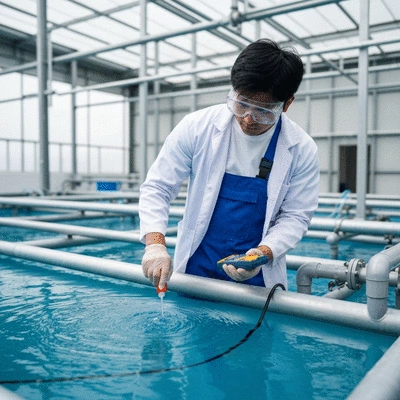
The landscape of aquaculture is evolving rapidly, thanks to emerging technologies that are transforming how we farm fish and seafood. Innovations such as automated feeding systems, water quality sensors, and data analytics are making these practices more efficient and sustainable. Isn’t it fascinating how technology can intersect with nature to enhance food production?
These innovations not only boost productivity but also significantly reduce environmental impacts, which is something we at Cal Fish Farm passionately advocate for. By embracing technology, we can ensure that aquaculture continues to thrive while protecting our precious aquatic ecosystems. Furthermore, initiatives like the California Sea Grant's call for proposals for aquaculture awards highlight the ongoing commitment to advancing these technologies.
How important do you believe supporting local aquaculture is for sustainability and community growth? Share your thoughts below:
At Cal Fish Farm, we’re passionate about showcasing how California’s aquaculture innovations are not just transforming seafood sourcing but also playing a crucial role in environmental sustainability. Farm-to-table seafood offers numerous benefits, including fresher flavors and reduced carbon footprints. Here are some key reasons why supporting local aquaculture is essential:
When we prioritize farm-to-table seafood, we’re investing in not just our health but also the health of our oceans and local communities. The innovations in aquaculture help us enjoy delicious seafood while contributing to sustainable practices!

California’s aquaculture sector is more than just a source of fresh fish—it’s a thriving community that creates jobs and stimulates economic growth. By choosing to support local aquaculture, we contribute to a healthier economy and environment. Here are some of the benefits:
As a community, we can make a significant impact by embracing and supporting local aquaculture. It’s not just about enjoying great seafood, but also being part of a movement that values sustainability and economic growth!
When it comes to seafood, knowing the source is crucial. Seafood traceability ensures that we can track where our food comes from and how it was harvested or farmed. At Cal Fish Farm, we emphasize the importance of certifications that guarantee responsible practices. Here are some vital aspects to consider:
Being vigilant about seafood traceability not only enhances our dining experience but also supports the overall health of our oceans. At Cal Fish Farm, we believe that informed consumers lead to sustainable change!
Here is a quick recap of the important points discussed in the article:
California Aquaculture Regulations Explained
Every aspiring aquaculture farmer in California should be equipped with knowledge about the vital re
Guide to California Aquaculture Regulations
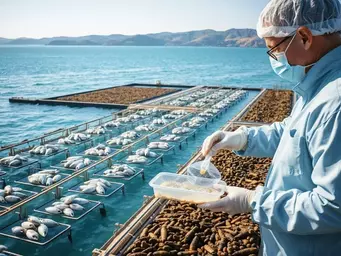
What does the future of seafood look like in California? If you're considering diving into aquacultu
Aquaculture Feed Innovations in California
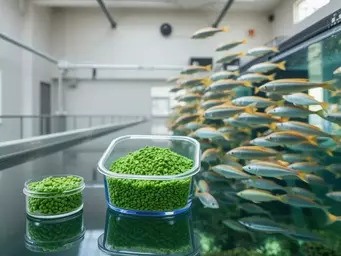
What if the secret to sustainable fish production lies in the feed? As we explore the innovations sh
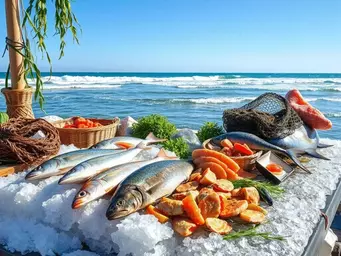
California Aquaculture Regulations Explained
Guide to California Aquaculture Regulations
Aquaculture Feed Innovations in California
Sustainable Seafood Innovations in California
California's Seafood Farming Innovations