What if a single technology could revolutionize the way we farm fish, ensuring both productivity and sustainability? The integration of Artificial Intelligence and machine learning into aquaculture offers just that, reshaping the future of fish farming in California.
What You Will Learn
AI and machine learning enable predictive analytics for fish growth and health trends, enhancing decision-making.
Automated monitoring systems utilize sensors to continuously assess fish health, significantly reducing disease risks.
Innovations like computer vision facilitate non-invasive sex determination and optimize breeding practices.
Real-time environmental monitoring ensures optimal water quality, protecting both fish and ecosystems.
Upcoming trends include enhanced precision farming and integration with blockchain for better supply chain transparency.
Collaboration with local research institutions fosters innovation and access to cutting-edge aquaculture techniques.
Implementing AI best practices can streamline operations, making fish farming more efficient and sustainable.
AI and Machine Learning's Impact on California Fish Farming
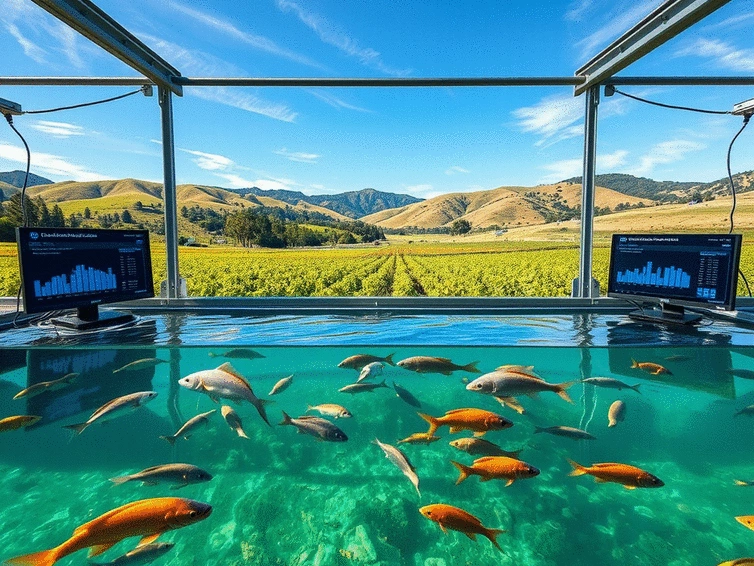
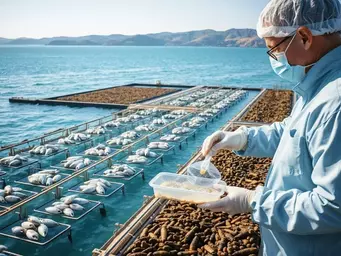
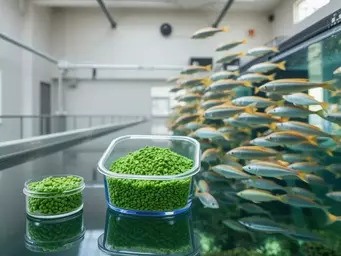
Visualizing the key innovations and future trends shaping sustainable aquaculture.
Key Technological Innovations
•Computer Vision: Non-invasive sex determination.
•AI-Powered Disease Detection: Early identification.
Understanding AI and Machine Learning in California Fish Farming
The world of aquaculture is evolving, and at the heart of this change are technologies like Artificial Intelligence (AI) and machine learning (ML). These tools are not just buzzwords; they are transforming how we approach fish farming in California. By harnessing data and predictive analytics, aquaculture professionals can enhance productivity and sustainability, which aligns perfectly with our mission at Cal Fish Farm.
As fish farming becomes more competitive, understanding the role of AI and ML in this industry is crucial. These technologies allow farmers to make data-driven decisions, improving not only the health of the fish but also the health of our aquatic ecosystems.
Overview of AI and ML in Aquaculture
AI and machine learning play pivotal roles in modern aquaculture, offering innovative solutions that can boost efficiency and sustainability. These technologies can analyze vast amounts of data, providing insights that human analysts might miss. For instance, through machine learning algorithms, farmers can predict fish growth rates, optimize feeding schedules, and detect signs of disease early.
Predictive Analytics: Forecasting growth and health trends in fish populations.
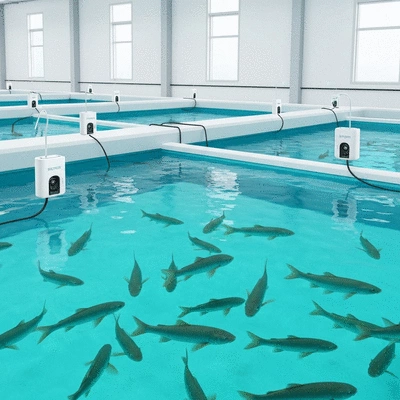
Automated Monitoring: Using sensors and cameras to continuously assess fish health.
Disease Detection: Early identification of potential health issues to minimize losses.
As we continue to explore AI's potential, it's exciting to see how these advancements are reshaping California's fish farming landscape and aligning with sustainable practices.
Key Technological Innovations Transforming Fish Farming
Innovations like computer vision and advanced disease detection technologies are revolutionizing fish farming. Computer vision, for example, enables farmers to determine the sex of fish, such as sturgeon, non-invasively, as highlighted in a study on AI-powered aquaculture techniques. This capability can significantly enhance breeding programs and improve stock management.
Computer Vision: Assists in non-invasive sex determination of fish.
AI-Powered Disease Detection: Systems that analyze images and data to identify diseases before they spread.
Data-Driven Feeding Systems: Algorithms that tailor feeding practices based on fish behavior and health.
These technologies not only enhance operational efficiency but also contribute to the overall sustainability of aquaculture practices in California, ensuring that we are not just growing fish but doing so in a responsible way.
Environmental Monitoring and Water Quality Management
AI is also playing a crucial role in environmental monitoring, which is vital for maintaining water quality in aquaculture. By utilizing AI-driven systems, farmers can monitor parameters like pH levels, temperature, and dissolved oxygen in real-time. This proactive approach helps ensure a healthy environment for fish and minimizes the risks associated with fluctuating environmental conditions. The Nature Conservancy also provides valuable insights into environmental risk assessment in aquaculture, further emphasizing the importance of robust monitoring.
Real-Time Monitoring: Continuous assessment of water quality parameters.
Predictive Alerts: Notifications for potential environmental issues before they escalate.
Streamlined Reporting: Automated data collection for compliance with regulations.
At Cal Fish Farm, we recognize the importance of these technologies in advancing sustainable aquaculture. By embracing AI for environmental monitoring, farmers can make informed decisions that protect both their fish and the surrounding ecosystems.
Interactive Poll
As we delve deeper into the advancements of AI and machine learning in aquaculture, we want to hear from you! Which technology do you believe will have the most significant impact on sustainable fish farming in California?
Frequently Asked Questions About AI in California Fish Farming
Here are some common questions about the integration of AI and machine learning in aquaculture:
Q1: How do AI and machine learning benefit fish farming?
A1: AI and machine learning significantly enhance productivity and sustainability by enabling predictive analytics for fish growth and health, optimizing feeding schedules, and facilitating early disease detection. They also improve decision-making through data-driven insights.
Q2: What are some key technological innovations being used in AI aquaculture?
A2: Key innovations include computer vision for non-invasive sex determination, AI-powered systems for early disease detection, and data-driven feeding systems that tailor practices based on fish behavior and health.
Q3: How does AI contribute to environmental monitoring and water quality in fish farms?
A3: AI systems enable real-time monitoring of critical water parameters like pH, temperature, and dissolved oxygen. They also provide predictive alerts for potential environmental issues and streamline data collection for regulatory compliance, ensuring a healthy aquatic environment.
Q4: What are the future trends for AI and machine learning in aquaculture?
A4: Future trends include enhanced precision farming for optimal growth and minimal waste, advanced data analytics for farm management, integration with blockchain for supply chain transparency, and genetic improvements through machine learning in breeding programs.
Q5: How can fish farmers get started with implementing AI in their operations?
A5: Farmers can begin by assessing their current operations to identify areas where AI can add value, researching tailored AI tools, starting with one or two solutions before scaling up, and staying informed through workshops and online resources. Engaging with local research institutions is also highly beneficial.
Maximizing the Benefits of AI in Fish Farming
As we look towards the future of fish farming, it's essential to understand how AI and machine learning will continue to shape our industry. I'm excited to share some insights on upcoming trends and technologies that promise to revolutionize aquaculture in California.
Future Trends in AI and Machine Learning for Aquaculture
The landscape of aquaculture is evolving rapidly, and we can expect some significant trends to emerge. Here are a few key areas to keep an eye on:
Enhanced Precision Farming: Utilizing AI to precisely monitor and manage fish diets, ensuring optimal growth rates while minimizing waste.
Advanced Data Analytics: Leveraging big data to make informed decisions about breeding, feeding, and overall farm management.
Integration with Blockchain: Ensuring traceability and transparency in seafood supply chains, which consumers are increasingly demanding.
Genetic Improvements: Applying machine learning in selective breeding programs to create fish varieties that are more resilient and faster-growing.
These trends not only promise to enhance operational efficiency but also play a crucial role in ensuring the sustainability of our aquatic ecosystems.
Engaging with Local Research and Development Initiatives
Collaboration is key to advancing fish farming technologies. I encourage fish farmers to engage with local research institutions, such as UC San Diego (UCSD) and the San Diego Supercomputer Center (SDSC), which has been actively involved in aquaculture research. By working together, we can:
Access cutting-edge research on aquaculture techniques.
Participate in collaborative projects aimed at improving fish health and farming efficiency.
Share knowledge and insights that drive innovation in our practices.
Connecting with these institutions can lead to valuable partnerships and the development of new technologies that benefit all stakeholders in the aquaculture space.
Exploring Aquaculture Technology Innovations
Innovation is at the heart of sustainable aquaculture, and recent advancements are driving efficiency and sustainability across the industry. Some notable innovations include:
Smart Feeding Systems: These AI-driven systems optimize feeding schedules and amounts based on real-time fish behavior and water conditions.
IoT Sensors: Internet of Things (IoT) devices monitor water quality and fish health, providing farmers with immediate feedback.
Drones and Robotics: Automated systems for monitoring farms and performing tasks traditionally done by hand, such as feeding and harvesting.
By adopting these technologies, California's fish farmers can not only improve their production but also contribute to the broader goal of sustainability in seafood practices.
Next Steps for Fish Farmers in California
Implementing AI Best Practices in Your Farm
For those ready to initiate or enhance their AI integration, here are some actionable steps:
Assess your current operations and identify areas where AI can add value.
Research available AI tools that can be tailored to your specific needs.
Start small—implementing one or two AI solutions before scaling up.
Stay informed about the latest technologies and best practices through workshops and online resources.
Taking these steps can pave the way for a more efficient and sustainable fish farming operation.
Join the Conversation on Sustainable Aquaculture
Finally, I invite you to be part of the growing dialogue around sustainable aquaculture. Consider participating in online forums, webinars, and workshops focused on AI in fish farming. Your voice matters, and sharing experiences and knowledge can help propel our industry forward. Let’s connect, learn, and advocate for practices that benefit both our taste buds and our oceans!
Recap of Key Points
Here is a quick recap of the important points discussed in the article:
AI and Machine Learning: These technologies enhance productivity and sustainability in California's fish farming.
Predictive Analytics: Used for forecasting fish growth and health trends, optimizing feeding schedules, and early disease detection.
Innovative Technologies: Innovations like computer vision and AI-powered disease detection are transforming breeding programs and improving stock management.
Environmental Monitoring: AI systems enable real-time monitoring of water quality, ensuring a healthy environment for fish.
Future Trends: Expect advancements in precision farming, data analytics, and blockchain integration to enhance sustainability.
Collaboration: Engaging with local research institutions can lead to valuable partnerships and technological advancements in aquaculture.
At Cal Fish Farm, we are dedicated to exploring California’s dynamic aquaculture industry. Our mission is to promote sustainable practices, educate consumers, chefs, and advocates, and empower them with knowledge about responsible fish production and aquatic ecosystem management.


California Aquaculture Regulations Explained
Guide to California Aquaculture Regulations
Aquaculture Feed Innovations in California
Sustainable Seafood Innovations in California
California's Seafood Farming Innovations