Economic Impact
Generates billions in revenue.
Provides thousands of jobs.
Revenue & Jobs
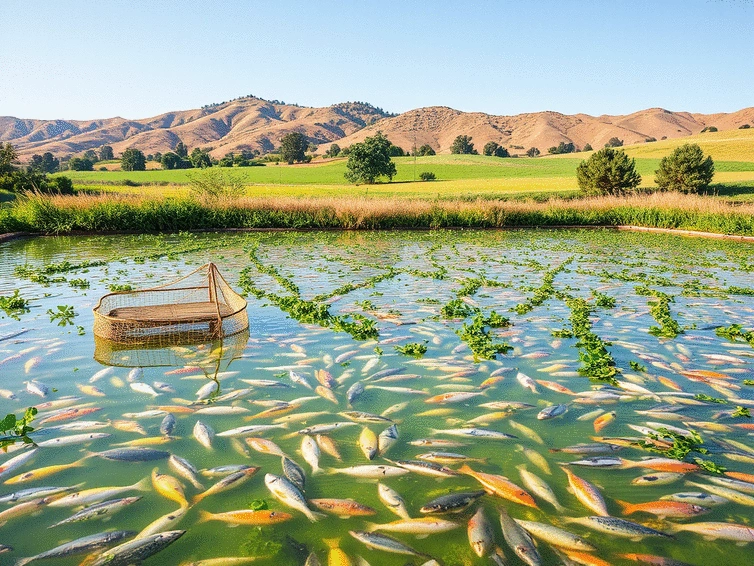
What if the seafood on your dinner plate came from a local farm that not only nurtures fish but also protects our oceans? California's aquaculture industry is redefining our seafood sources, championing sustainability while boosting local economies. Dive into the transformative impact of responsible fish farming and discover its many benefits.
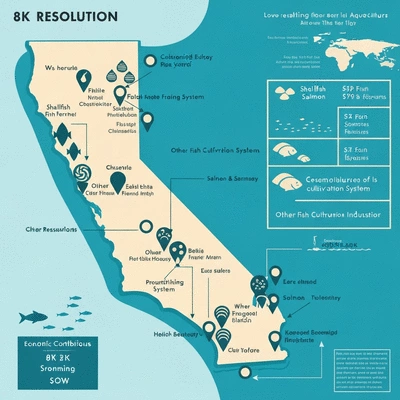
California's aquaculture industry plays a vital role in the state's economy and environmental health, generating revenue, creating jobs, and fostering sustainable practices. This visual highlights its three main areas of impact.
Generates billions in revenue.
Provides thousands of jobs.
Enhances marine biodiversity.
Restores habitats & improves water quality.
Adopts innovative, eco-friendly techniques.
Supported by strong regulatory framework.
Offers internships & training for youth.
Fosters local economic growth.
California's aquaculture industry is not just a niche; it's a vital part of our economy and environmental health. With a rich coastline and diverse ecosystems, aquaculture contributes significantly to local economies while fostering sustainable seafood practices. In fact, the sector generates billions in revenue and provides thousands of jobs across the state, showcasing our commitment to responsible fish farming. This growth is further supported by initiatives aimed at harboring growth in California ports, which pioneer aquaculture solutions.
Moreover, aquaculture plays a crucial role in enhancing marine biodiversity and safeguarding our aquatic ecosystems. By promoting responsible practices, we can ensure that California's waters not only support thriving fish populations but also a vibrant fishing community.
When we look at California's aquaculture landscape, it's clear that we have a unique blend of innovation and tradition. The state's aquaculture practices range from small, family-run farms to larger, commercial operations, each contributing to our goal of sustainability. In fact, many farms are adopting innovative techniques that minimize environmental impact while maximizing productivity. The Aquarium of the Pacific's report on California's aquaculture highlights these advancements.
As we dive into the subject, it’s important to recognize how these elements work together to create a thriving aquaculture scene. This synergy not only benefits farmers but also serves our communities and ecosystems.
California's spectacular marine ecosystem is a significant factor that sets our aquaculture apart. With a variety of climates and habitats, we can cultivate an extraordinary range of seafood species. Our regulatory environment further supports this diversity by promoting innovation in sustainable practices, making it a model for aquaculture globally. The Annual California Coast and Ocean Report provides further insights into these protective measures.
This unique combination allows us to not only meet local demands but also to export some of the best seafood products in the world. Here at Cal Fish Farm, we celebrate these unique aspects and strive to educate others about the importance of sustainability in our practices.
The California Aquaculture Association (CAA) is instrumental in fostering growth and development within the industry. By advocating for favorable policies, facilitating education, and providing resources to aquaculture farms, the CAA ensures that we are all moving towards a more sustainable future. They play a pivotal role in bringing together various stakeholders, from farmers to policymakers.
This collaborative effort strengthens the aquaculture community in California, paving the way for innovations that not only benefit farmers but also enhance our aquatic ecosystems. The CAA's ongoing commitment to sustainable practices is something we at Cal Fish Farm wholeheartedly support.
What aspects of California's aquaculture are you most passionate about? Share your thoughts below:
At Cal Fish Farm, we recognize that aquaculture does more than just provide sustainable seafood; it plays a vital role in strengthening local economies. By investing in our coastal communities, aquaculture farms create a ripple effect that supports jobs and fosters growth. Let’s take a closer look at some of the key ways in which aquaculture is making a meaningful impact on local communities.
The aquaculture industry is a significant source of employment in California. Farms are constantly on the lookout for skilled workers, which leads to vibrant internship and training programs. These initiatives often target local youth and provide them with hands-on experience in sustainable practices. Here are some of the ways these programs benefit the community:
Through these efforts, aquaculture not only generates jobs but also equips individuals with valuable skills for their future careers!
Aquaculture is uniquely positioned to play a crucial role in environmental conservation. By promoting responsible farming practices, farms can help restore delicate ecosystems and enhance biodiversity. For example, many farms participate in initiatives that focus on:
This commitment to environmental stewardship not only contributes to healthier marine environments but also helps build community pride in sustainable practices!
One standout example of community-focused aquaculture is the Shellfish Restoration Program. This initiative supports the recovery of shellfish populations and enhances water quality across California’s coast. Here’s how it makes a difference:
By revitalizing these ecosystems, we’re not just helping the environment—we’re also ensuring that local communities thrive and benefit from the rich resources our waters provide.
Here is a quick recap of the important points discussed in the article:
California Aquaculture Regulations Explained
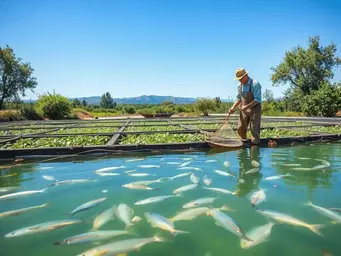
Every aspiring aquaculture farmer in California should be equipped with knowledge about the vital re
Guide to California Aquaculture Regulations
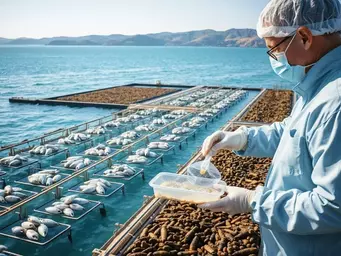
What does the future of seafood look like in California? If you're considering diving into aquacultu
Aquaculture Feed Innovations in California
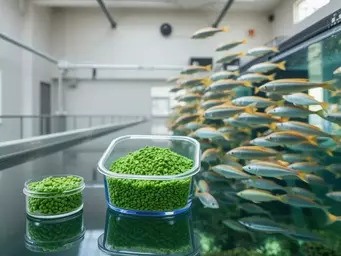
What if the secret to sustainable fish production lies in the feed? As we explore the innovations sh
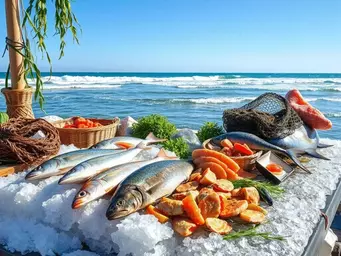
California Aquaculture Regulations Explained
Guide to California Aquaculture Regulations
Aquaculture Feed Innovations in California
Sustainable Seafood Innovations in California
California's Seafood Farming Innovations