USA Market Share
80%+
of caviar sold in the U.S. is produced in California.
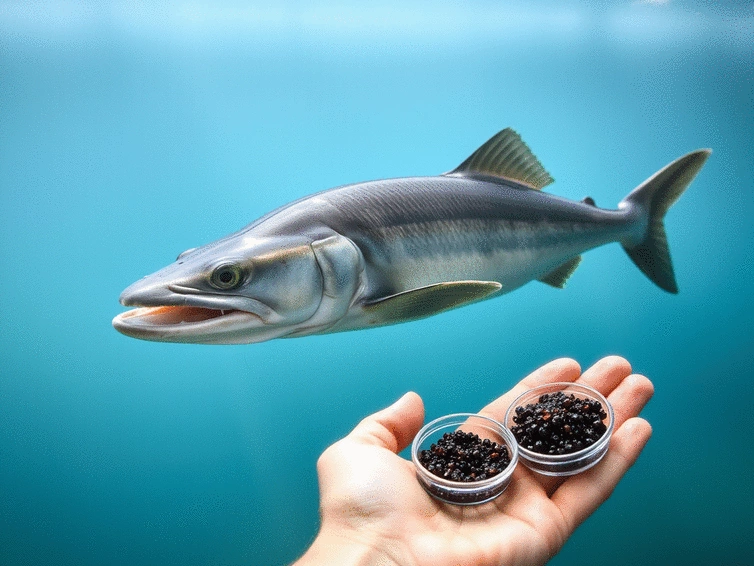
Did you know that California provides over 80% of the caviar sold in the United States? The state's innovative approach to sustainable aquaculture is not just transforming local economies; it's also setting a global standard for quality in seafood products. Let's explore the key lessons from California's thriving sturgeon farming and caviar production.
Key statistics and influences shaping California's sustainable sturgeon farming and caviar production.
80%+
of caviar sold in the U.S. is produced in California.
1900s
Began as a hub for caviar production due to favorable conditions.
California holds a unique position in the global caviar market, renowned for its sustainable sturgeon farming practices and high-quality caviar production. As we dive deeper into this fascinating industry, you'll discover how local fish farmers are not only meeting demand but also setting a standard for environmental stewardship. It's exciting to see how our state is making waves in the world of gourmet seafood, wouldn't you agree?
Through innovation and dedication, California cultivates a thriving aquaculture sector that not only enhances local economies but also champions sustainable seafood practices. This journey into the world of sturgeon farming and caviar production is both enriching and important for consumers and chefs alike. Let’s explore what makes California a leader in this industry!
California's contribution to the global caviar market is significant, with our farms producing top-tier caviar that rivals traditional sources. The increasing demand for sustainable and ethically sourced seafood has opened the door for our state to flourish in this niche market. As consumers become more aware of their seafood choices, California’s sturgeon farms are gaining recognition for their commitment to quality and environmental responsibility. For further insights into sturgeon research and conservation efforts in California, you can visit the UC Davis Fish Conservation and Physiology Lab.
These factors have allowed California to emerge as a reputable supplier on the global stage, providing chefs and seafood lovers with an exquisite experience. By choosing California caviar, you're not just indulging in a luxury; you're supporting sustainable practices that benefit our environment.
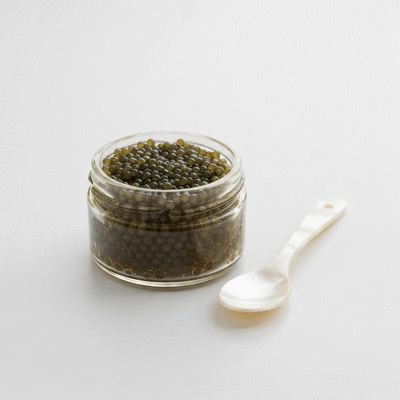
The story of Sacramento as the caviar capital is rich in history. It all began with the establishment of sturgeon farms in the region due to its favorable climate and abundant water sources. These farms have transformed over time, evolving from small operations into robust producers of high-quality caviar. In the early 20th century, Sacramento emerged as a hub for caviar production, drawing both attention and investment from around the world. To learn more about how Sacramento became the caviar capital, explore this article from California Sea Grant.
Today, Sacramento's legacy lives on through dedicated producers who continue to uphold the tradition of quality while prioritizing the health of our aquatic ecosystems. It’s inspiring to witness how history has shaped our present and future in the caviar industry!
The quality of caviar is profoundly influenced by the species of sturgeon used in production. In California, we primarily focus on three key species: the White Sturgeon, the Beluga, and the Ossetra. Each of these species brings unique flavors and textures to the table, which is essential for chefs and consumers alike. Understanding these differences can enhance your appreciation of caviar. The North American Sturgeon and Paddlefish Society (NASPS) provides valuable information on sturgeon aquaculture and conservation efforts.
The interplay between species and farming practices is what makes California caviar so special. By appreciating the nuances of each type, you can elevate your culinary experiences and support responsible aquaculture practices.
We want to know your thoughts! What aspect of sustainable caviar production interests you the most?
As we look towards the future, it's clear that sustainable practices will be the backbone of California's sturgeon farming and caviar production. The demand for responsibly sourced seafood is growing, and consumers are becoming increasingly aware of the environmental impacts associated with aquaculture. By prioritizing sustainable methods, we can ensure not only the health of our aquatic ecosystems but also the longevity of the caviar industry itself.
In California, innovative farmers are already leading the charge. They are adopting practices that not only enhance the quality of their caviar but also minimize environmental footprints. This commitment to sustainability is pivotal as we navigate the challenges posed by climate change and habitat degradation. As advocates for responsible fish farming, it's our role at Cal Fish Farm to highlight these advancements and inspire others to follow suit!
Sustainable practices are essential for the future of sturgeon farming and caviar production in California. Here are some key reasons why:
At Cal Fish Farm, we believe that supporting these sustainable practices is vital for our future. The more we understand these principles, the better we can support our local farmers and promote responsible seafood consumption.
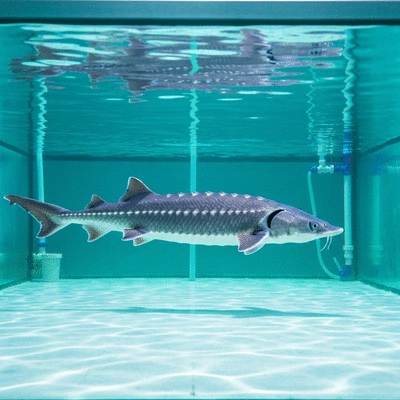
There are many ways you can support local sturgeon farms while indulging in exquisite California caviar. Here’s how:
By engaging with local farms and supporting sustainable practices, you not only enjoy high-quality caviar but also contribute to preserving our precious aquatic ecosystems!
One of the best ways to immerse yourself in California's caviar culture is to participate in farm tours. These experiences offer a behind-the-scenes look at how caviar is produced, from breeding to processing. Engaging with farmers and learning about their practices will enhance your appreciation for this delicacy.
Building relationships with caviar producers and local vendors can enrich your culinary experiences. Here are some ways to connect:
Connecting with these producers helps strengthen our seafood community and fosters a culture of sustainability.
Joining aquaculture associations can provide valuable insights into the industry. These organizations often offer resources, training, and networking opportunities for both consumers and producers. By participating, you can stay informed about best practices, regulations, and innovative techniques in sturgeon farming and caviar production.
At Cal Fish Farm, we encourage everyone interested in sustainable seafood to join these communities. Together, we can advocate for responsible practices and enjoy the rich flavors of California's caviar landscape!
Here is a quick recap of the important points discussed in the article:
California Aquaculture Regulations Explained
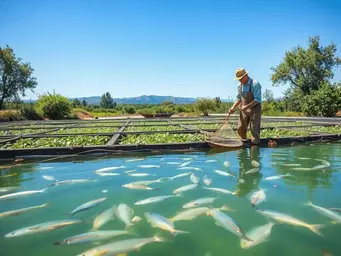
Every aspiring aquaculture farmer in California should be equipped with knowledge about the vital re
Guide to California Aquaculture Regulations
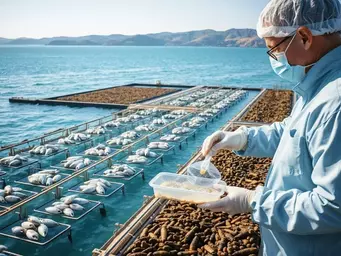
What does the future of seafood look like in California? If you're considering diving into aquacultu
Aquaculture Feed Innovations in California
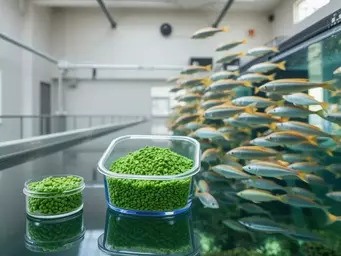
What if the secret to sustainable fish production lies in the feed? As we explore the innovations sh
California Aquaculture Regulations Explained
Guide to California Aquaculture Regulations
Aquaculture Feed Innovations in California
Sustainable Seafood Innovations in California
California's Seafood Farming Innovations