Humboldt Bay's Aquaculture: Oysters & Mussels
What if I told you that the future of our oceans could hinge on the choices we make today? Humboldt Bay exemplifies how sustainable seafood practices not only nourish our bodies but also foster vibrant communities and healthy ecosystems.
What You Will Learn
- Aquaculture significantly boosts the local economy by creating jobs and supporting businesses.
- Humboldt Bay's unique conditions contribute to its reputation as the 'Oyster Capital' of California.
- Shellfish farming provides essential environmental benefits, including water filtration and ecosystem health.
- Community engagement is vital for promoting local seafood, creating a stronger connection between consumers and producers.
Humboldt Bay's Aquaculture Landscape: Key Contributions and Factors
This visual highlights the key contributions of aquaculture to Humboldt Bay's economy and the factors that make it the 'Oyster Capital', demonstrating the region's commitment to sustainable seafood practices.
Aquaculture's Economic Contributions
- • Job Creation: Thousands in farming, processing, distribution.
- • Local Sourcing: Boosts local restaurants and markets.
- • Tourism: Draws visitors to the sustainable seafood industry.
Humboldt Bay: 'Oyster Capital' Factors
- • Optimal Water Conditions: Nutrient-rich brackish waters.
- • Innovative Farming: Advanced methods for high-quality production.
- • Community Support: Strong local advocacy and consumer base.
Understanding Humboldt Bay's Aquaculture Landscape
Humboldt Bay is not just a picturesque destination; it's a vital hub for aquaculture in California. The local economy thrives on sustainable seafood practices that promote both community growth and environmental stewardship. As I explore this vibrant bay, I’m often reminded of the balance between productivity and sustainability that local farmers strive to achieve.
The California Coastal Commission provides valuable insights into how coastal regions like Humboldt Bay are managing their marine resources, highlighting the importance of integrated coastal management for sustainable aquaculture. This area is a treasure trove of opportunities for both locals and visitors alike. The unique combination of nutrient-rich waters and innovative farming techniques ensures that Humboldt Bay continues to be a leader in the aquaculture industry. Let's dive deeper into what makes this region so special!
The Role of Aquaculture in Humboldt Bay's Economy
Aquaculture plays a significant role in shaping Humboldt Bay's economy. The industry not only provides jobs but also supports local businesses, from restaurants to markets. Here's a quick look at how aquaculture contributes to the economy:
- Job Creation: Aquaculture supports thousands of jobs in farming, processing, and distribution.
- Local Sourcing: Many restaurants and markets prioritize locally sourced seafood, thereby boosting local business.
- Tourism: The growing interest in sustainable seafood draws tourists to the area, enhancing economic activity.
As a passionate advocate for responsible fish farming, I believe that understanding these contributions is crucial for anyone interested in the future of our oceans and local economies. Aquaculture's impact is felt far beyond just the seafood on our plates!
What Makes Humboldt Bay the 'Oyster Capital'?
Humboldt Bay is often hailed as the 'Oyster Capital' for good reason. The area's perfect blend of climate, water quality, and dedicated farmers creates ideal conditions for growing premium oysters. What are some factors that contribute to this honor? Let’s explore:
- Optimal Water Conditions: The brackish waters of the bay are rich in nutrients, perfect for oyster growth.
- Innovative Farming Techniques: Farmers in the area utilize advanced methods to ensure high-quality production.
- Community Support: A strong network of local advocates and consumers propels the industry forward.
As someone deeply invested in the future of aquaculture, I can’t help but admire how this community rallies around its local farmers. The pride in their product is palpable, and it’s evident that Humboldt Bay is a shining example of what sustainable seafood farming can achieve.
The Importance of Shellfish in the Local Seafood Industry
Shellfish, particularly oysters, are not just a culinary delight; they are a cornerstone of the local seafood industry. Their role extends beyond just taste; they contribute to ecosystem health as well. Here’s why shellfish are so vital:
- Environmental Benefits: Shellfish help filter and clean the water, contributing to a healthier bay ecosystem.
- Culinary Versatility: From raw bars to gourmet dishes, shellfish are a favorite among chefs and seafood lovers.
- Economic Stability: Shellfish farming provides a reliable income for local farmers and boosts the community's economy.
As I engage with local farmers, I often hear how proud they are to cultivate shellfish that not only sustain their livelihoods but also benefit the environment. It's a beautiful cycle of growth and responsibility that we should all support!
Frequently Asked Questions (FAQs)
Here are some common questions about aquaculture in Humboldt Bay:
- What makes Humboldt Bay ideal for aquaculture?
Humboldt Bay's optimal water conditions, characterized by nutrient-rich brackish waters, along with innovative farming techniques and strong community support, make it an ideal location for aquaculture, especially oyster farming. - How does aquaculture contribute to Humboldt Bay's economy?
Aquaculture significantly boosts the local economy by creating thousands of jobs in farming, processing, and distribution. It also supports local restaurants and markets by providing locally sourced seafood and attracts tourism interested in sustainable seafood practices. - What environmental benefits do shellfish provide?
Shellfish, such as oysters, are crucial for environmental health as they act as natural filters, cleaning and improving the water quality of the bay. This contributes to a healthier overall ecosystem. - What are "sustainable seafood practices"?
Sustainable seafood practices refer to methods of fishing or farming seafood that ensure the long-term health of marine ecosystems and the continued availability of seafood for future generations. This includes practices that minimize environmental impact and support local communities. - How can individuals support sustainable aquaculture in Humboldt Bay?
Individuals can support sustainable aquaculture by choosing locally sourced seafood, participating in community-supported fisheries, visiting local farms for tours, and advocating for sustainable practices in their communities and on social media.
Interactive Poll: Your Thoughts on Aquaculture
As we explore the vibrant aquaculture scene in Humboldt Bay, we want to hear from you! What aspect of sustainable seafood practices interests you the most? Share your thoughts below:
Summarizing the Vibrant Aquaculture Scene of Humboldt Bay
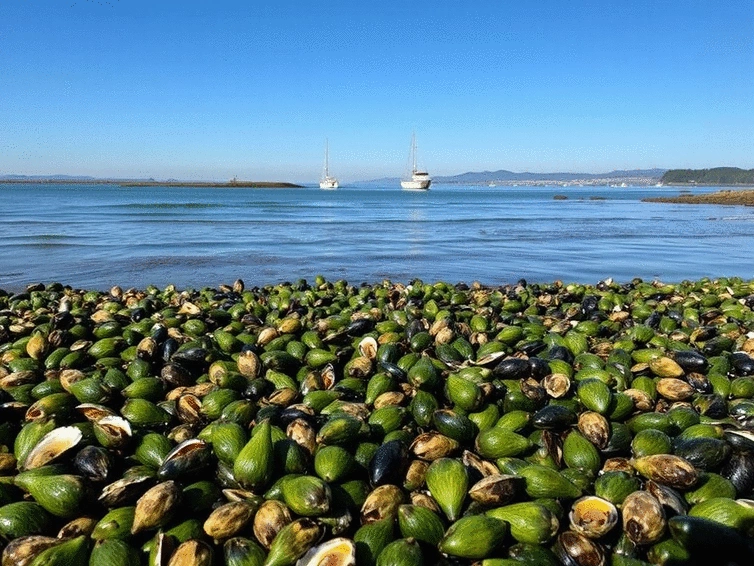
As we wrap up our exploration of Humboldt Bay's aquaculture, it's clear that this region is a true gem when it comes to sustainable seafood production. From the flourishing oyster farms to the thriving mussel operations, the dedication to responsible aquaculture practices is evident everywhere you look. This vibrant scene not only supports the local economy but also enhances our connection to the ocean and the food we consume. The National Oceanic and Atmospheric Administration (NOAA) provides extensive data on the economic impact of aquaculture, reinforcing its importance to coastal communities. Moreover, the California Sea Grant highlights innovative aquaculture solutions being pioneered in ports across California, including Humboldt Bay, further solidifying its role as a leader in this field.
Here are some key takeaways about oyster and mussel farming in Humboldt Bay:
- Oysters and mussels are integral to the local economy, providing jobs and supporting small businesses.
- Innovative farming techniques, such as FLUPSY nursery methods, ensure the cultivation of high-quality shellfish.
- Environmental sustainability is a priority, with farms implementing practices that protect the bay’s ecosystem.
- Community engagement, through tours and tastings, fosters a deeper appreciation for local seafood.
Understanding these elements helps us appreciate the efforts put forth by local farmers, such as those at Cal Fish Farm, who are committed to promoting sustainable practices while offering delicious seafood options.
Encouraging Sustainable Practices and Local Consumption
Supporting the aquaculture industry in Humboldt Bay is more than just enjoying fresh seafood; it's about making responsible choices that benefit the environment and local communities. By encouraging sustainable practices, we can help ensure that these vital ecosystems remain healthy for generations to come.
Here are some ways you can get involved:
- Choose locally sourced seafood whenever possible to support area farmers.
- Participate in community-supported fisheries and share your enthusiasm with friends.
- Visit local farms and participate in tours to learn more about the farming processes.
- Advocate for sustainable practices by sharing your knowledge on social media or community forums.
It's essential to recognize how our choices impact the aquaculture landscape. By prioritizing local consumption, we contribute to a more sustainable seafood culture.
Recap of Key Points
Here is a quick recap of the important points discussed in the article:
- Aquaculture significantly boosts Humboldt Bay's economy through job creation and local sourcing.
- The region is renowned as the 'Oyster Capital' due to its optimal water conditions and innovative farming techniques.
- Shellfish, particularly oysters, play a vital role in both culinary and environmental contexts.
- Sustainable practices and community engagement are essential for the future of aquaculture in the region.
- Supporting local seafood options helps to maintain healthy ecosystems and bolster the economy.
California Aquaculture Regulations Explained
Guide to California Aquaculture Regulations
Aquaculture Feed Innovations in California
Sustainable Seafood Innovations in California
California's Seafood Farming Innovations