Seaweed Cultivation
Improves water quality, provides habitat, absorbs excess nutrients.
What if the seafood you enjoyed was not only delicious but also a model of environmental sustainability? This is the vision of Holdfast Aquaculture, a leader in redefining sustainable seafood production through innovative practices. Let’s explore the key insights from their approach that could reshape our understanding of aquaculture.
Holdfast Aquaculture exemplifies innovative, eco-friendly approaches in seafood production. Their methods integrate seaweed and shellfish farming, promoting biodiversity and water quality. However, like any growing industry, aquaculture faces challenges related to scalability, regulation, and climate change. The visual below highlights Holdfast's core strategies and the industry's forward-looking considerations.
Improves water quality, provides habitat, absorbs excess nutrients.
Filters water, contributes to clearer oceans, supports ecosystem health.
IoT monitoring, data analytics, sustainable feed alternatives.
Site selection, technology, workforce training, supply chain logistics.
Environmental Impact Assessments, food safety, permitting processes.
Species resilience, adaptive management, carbon footprint reduction.
At Cal Fish Farm, we are always eager to learn about innovative practices shaping the aquaculture landscape. One such example is Holdfast Aquaculture, a pioneer in sustainable seafood production. Their mission focuses on harmonizing marine ecosystems with seafood farming, which is crucial for sustainability in our oceans.
Holdfast Aquaculture stands out for its commitment to using seaweed and shellfish as integral components of its production methods. By blending these practices, they not only enhance the value of their products but also contribute positively to the environment. This dual approach encapsulates the essence of responsible aquaculture.
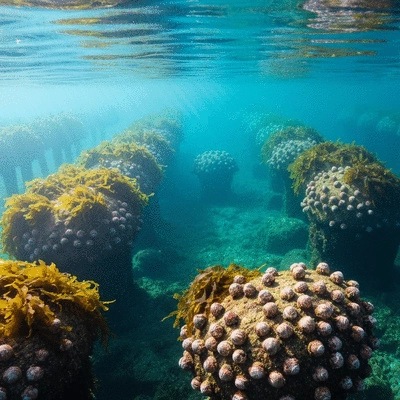
Holdfast Aquaculture operates with a clear vision: to lead the way in eco-friendly aquaculture that respects and restores marine habitats. Their commitment to sustainability is reflected in their methods, focusing on cultivating native species while minimizing environmental impact. The Port of San Diego's proposed Shellfish and Seaweed Aquaculture Program (SSAP), for instance, aligns with such initiatives by promoting environmentally sound aquaculture practices.
This mission is not just about producing fish; it’s about creating a sustainable future for both our oceans and the communities that rely on them. Holdfast Aquaculture's practices align seamlessly with our goals at Cal Fish Farm, as we too strive to empower readers with knowledge about responsible fish farming.
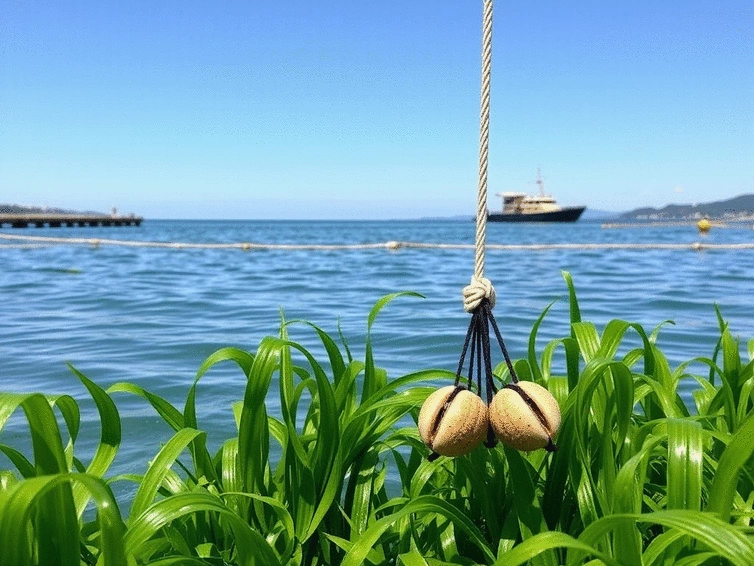
The integration of seaweed and shellfish in aquaculture systems offers numerous advantages. For one, seaweed cultivation effectively improves water quality and provides essential habitat for various marine species. This symbiotic relationship enhances the overall health of aquatic ecosystems. Such practices are increasingly recognized for their potential to support broader goals, as highlighted in the National Seafood Strategy.
By leveraging these resources, Holdfast Aquaculture is setting a new standard for sustainable practices. Their innovative methods not only yield high-quality seafood but also restore natural habitats, showcasing how seafood production can be both profitable and environmentally friendly!
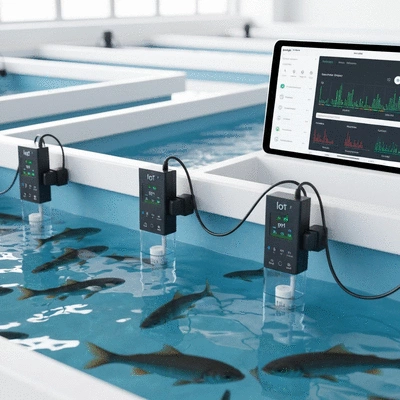
Modern aquaculture heavily relies on technology to enhance efficiency and sustainability. Holdfast Aquaculture employs cutting-edge tools to monitor water conditions, track species growth, and optimize cultivation processes. This tech-savvy approach is vital for adapting to the ever-changing conditions in marine environments. The National Aquaculture Development Plan underscores the importance of such technological advancements in the industry.
By embracing technology, Holdfast Aquaculture not only improves its production standards but also exemplifies how innovation drives sustainable farming practices. At Cal Fish Farm, we celebrate such advancements that pave the way for a more responsible seafood future!
To maximize the benefits of sustainable aquaculture like that practiced by Holdfast Aquaculture, consider incorporating seaweed and shellfish into your own seafood choices. Not only do these ingredients enhance flavor profiles and nutritional value, but they also support eco-friendly farming practices that help maintain healthy marine ecosystems.
Holdfast Aquaculture aims to lead in eco-friendly aquaculture, respecting and restoring marine habitats by cultivating native species while minimizing environmental impact.
Seaweed improves water quality by absorbing excess nutrients, and shellfish filter water, contributing to clearer oceans. Both provide habitat and support ecosystem health, creating a symbiotic relationship that enhances sustainability.
Holdfast Aquaculture uses cutting-edge technology like IoT devices for real-time monitoring of water conditions, data analytics for forecasting trends, and sustainable feed alternatives to optimize production and ensure environmental responsibility.
Key challenges include proper site selection, integrating advanced technology, training a skilled workforce, and streamlining supply chain logistics to ensure growth while maintaining environmental responsibility.
Climate change affects water temperatures and salinity levels. Strategies include selecting species resilient to changing conditions, implementing adaptive management practices, and reducing the carbon footprint to ensure a resilient future for sustainable fish farming.
As we gaze into the future of sustainable aquaculture, it's clear that we stand at a pivotal moment. The innovative practices of Holdfast Aquaculture offer a glimpse into what lies ahead. However, challenges loom on the horizon, especially regarding scalability and infrastructure. How can we grow our operations while ensuring environmental responsibility? Let’s dive into some of these pressing issues together!
Scaling up sustainable aquaculture operations involves more than just increasing production; it requires careful planning and investment in infrastructure. Here are some key factors to consider:
Addressing these challenges requires collaboration among industry stakeholders. By focusing on these areas, we can pave the way for growth while prioritizing sustainable practices.
Regulations play a crucial role in shaping aquaculture practices. Compliance with local and federal guidelines is essential for both sustainability and market access. Some significant areas of focus include:
By understanding these regulatory frameworks, we can better position our operations and contribute to a robust aquaculture sector that meets both consumer demands and environmental standards.
Climate change poses significant challenges to aquaculture, affecting everything from water temperatures to salinity levels. Addressing these impacts is crucial for the future of sustainable fish farming. Key considerations include:
By proactively addressing these challenges, aquaculture producers like Holdfast Aquaculture can ensure a resilient future, not just for their businesses but for our oceans too.
Here is a quick recap of the important points discussed in the article:
California Aquaculture Regulations Explained
Every aspiring aquaculture farmer in California should be equipped with knowledge about the vital re
Guide to California Aquaculture Regulations
What does the future of seafood look like in California? If you're considering diving into aquacultu
Aquaculture Feed Innovations in California
What if the secret to sustainable fish production lies in the feed? As we explore the innovations sh
California Aquaculture Regulations Explained
Guide to California Aquaculture Regulations
Aquaculture Feed Innovations in California
Sustainable Seafood Innovations in California
California's Seafood Farming Innovations