What is Sustainable Aquaculture?
- ✓ Utilizing native species
- ✓ Closed-loop systems
- ✓ Integrated multi-trophic aquaculture
- ✓ Environmentally friendly feed
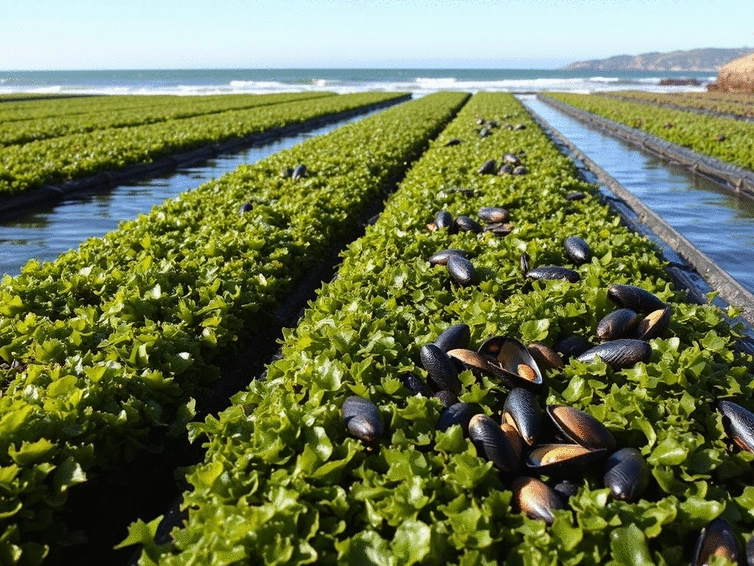
Have you ever considered the profound impact your seafood choices have on the environment? By understanding sustainable aquaculture, we can reshape not only our plates but also the health of our oceans.
Understanding the impact of our seafood choices is crucial for marine health. Below is a comparison of sustainable aquaculture practices and consumer guidance, highlighting the distinctions between different seafood categories and actionable steps for responsible consumption.
Categorizes seafood based on sustainability:
Role in Aquaculture Sustainability:
At Cal Fish Farm, we believe that understanding the nuances of our local aquaculture is essential for fostering sustainable practices. Monterey Bay aquaculture represents a significant movement towards responsible seafood sourcing, emphasizing the need for both environmental sustainability and community support. This approach not only enriches our plates but also nurtures the delicate balance of California's aquatic ecosystems.
Sustainable aquaculture refers to fishing practices that prioritize environmental health, community welfare, and economic viability. By focusing on methods that minimize ecological impacts, we can enhance fish populations while promoting the integrity of marine habitats. For seafood lovers and chefs alike, recognizing these practices is key to making informed choices about what we consume. You can learn more about global efforts in sustainable aquaculture from resources like the FAO's report on sustainable aquaculture action.
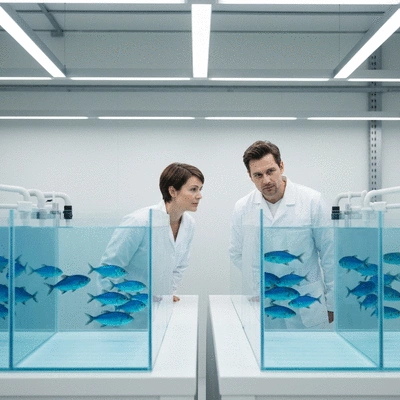
Sustainable aquaculture encompasses a variety of methods designed to produce seafood without compromising the health of our oceans. This includes practices such as:
By embracing sustainable methods, aquaculture can play a vital role in meeting the rising demand for seafood while preserving the health of our oceans. At Cal Fish Farm, we are dedicated to communicating these practices to empower our readers, chefs, and the wider community. For a broader perspective on national aquaculture development, refer to the 2024 National Aquaculture Development Plan Overview.
The Monterey Bay Aquarium is a pillar of sustainable seafood advocacy, serving as an essential resource for both consumers and industry professionals. Their Seafood Watch program provides a comprehensive guide to seafood choices, ranking species based on their environmental impact and sustainability.
By utilizing the Seafood Watch recommendations, we can make informed decisions that support sustainable aquaculture. This program not only guides purchasing decisions but also fosters conversation about the importance of responsible fishing practices within our community.
Marine Protected Areas (MPAs) are critical in the conservation of aquatic ecosystems. They help restore fish populations and maintain biodiversity, which in turn enhances the sustainability of aquaculture. MPAs can:
By incorporating MPAs into our aquaculture strategies, we can create a harmonious relationship between farming and the natural world. It's a win-win for both the environment and local communities, and at Cal Fish Farm, we're committed to playing our part in this vital effort!
Did you know? When selecting seafood, always check for sustainable certifications like the Marine Stewardship Council (MSC) or the Aquaculture Stewardship Council (ASC). These labels ensure that the seafood you choose is not only delicious but also sourced responsibly, supporting the health of our oceans.
As consumers, we hold remarkable power in our choices! By opting for sustainable seafood, we can actively contribute to the health of our oceans and support responsible aquaculture practices. Here are some actionable steps that each of us can take to promote sustainability in our seafood consumption:
By making these informed choices, we can foster demand for responsible aquaculture, creating a ripple effect that encourages more producers to adopt sustainable practices. Let’s take that step together!
Getting to know local farms and seafood sources is both rewarding and enlightening! By engaging directly with these operations, we can deepen our understanding of where our food comes from and how it is produced. Here are some ways to connect:
These engagements not only support local economies but also empower us to make choices that positively impact marine life. After all, the more we know, the better decisions we can make!
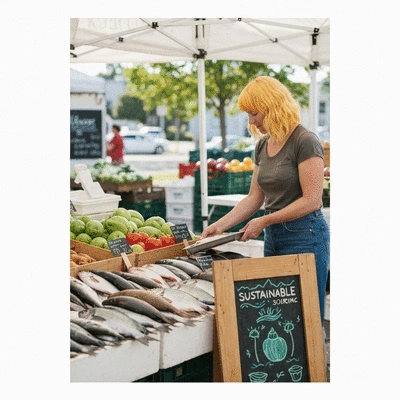
Responsible sourcing is crucial for preserving the delicate balance of our aquatic ecosystems. By understanding its principles, we can better appreciate the impact of our choices. Here’s what you need to know:
As we make conscious choices in our seafood consumption, we play a part in fostering sustainable practices that protect marine life and promote a healthier planet! Further insights into sustainable practices can be found in the WorldFish Annual Report 2024.
Staying informed is key to supporting sustainable seafood practices! There are numerous resources available that can help you continue your journey toward responsible consumption. Let’s explore some valuable connections:
The Monterey Bay Aquarium's Seafood Watch program is an invaluable tool for anyone looking to make sustainable seafood choices. It provides updated information on which seafood options are best for the environment. Here’s how you can utilize it:
Utilizing these resources will empower you to make informed choices that align with your values regarding sustainability and environmental stewardship!
As we dive deeper into the world of sustainable aquaculture, it's natural to have questions. Here are some frequently asked questions that can help guide your understanding:
By addressing these questions, we can further our understanding and commitment to sustainable seafood practices, paving the way for a healthier ocean and a sustainable future!
Here is a quick recap of the important points discussed in the article:
California Aquaculture Regulations Explained
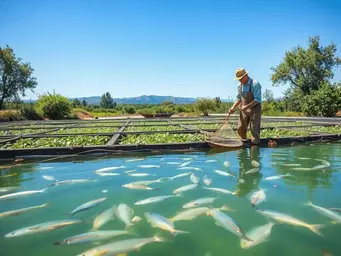
Every aspiring aquaculture farmer in California should be equipped with knowledge about the vital re
Guide to California Aquaculture Regulations
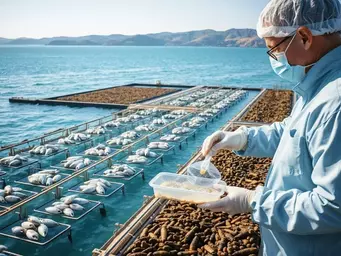
What does the future of seafood look like in California? If you're considering diving into aquacultu
Aquaculture Feed Innovations in California
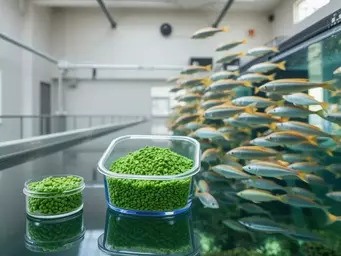
What if the secret to sustainable fish production lies in the feed? As we explore the innovations sh
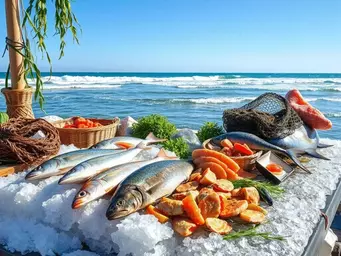
California Aquaculture Regulations Explained
Guide to California Aquaculture Regulations
Aquaculture Feed Innovations in California
Sustainable Seafood Innovations in California
California's Seafood Farming Innovations