
Aquaculture's Core Contribution
Provides sustainable seafood supply, supports local economies, enhances food security, and reduces environmental impact of wild fishing.
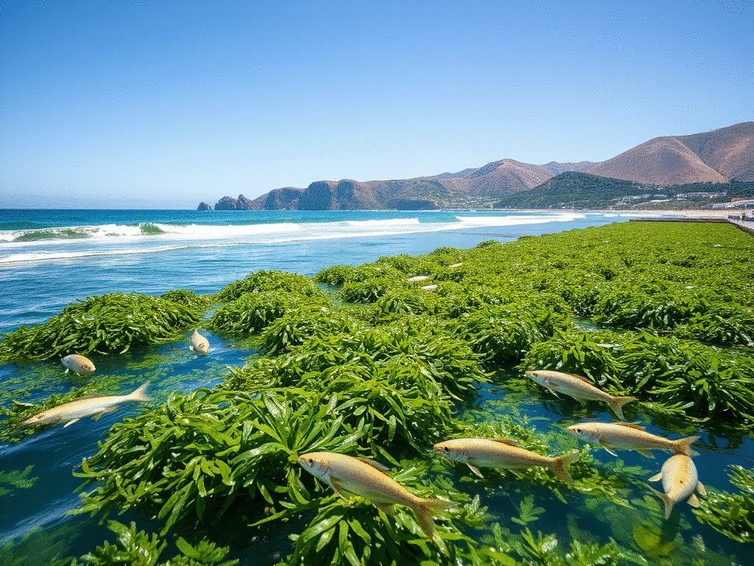
What if I told you that the seafood on your plate could come from a farm just a few miles away, contributing to both your meal and the health of our oceans? In California, aquaculture is not just a means of food production; it's a vital part of environmental stewardship.
California's aquaculture sector plays a vital role in both supporting local economies and fostering environmental stewardship. Below, explore its key contributions.
Provides sustainable seafood supply, supports local economies, enhances food security, and reduces environmental impact of wild fishing.
As I walk along the vibrant shores of California, I'm often reminded of the intricate relationship between our coastal ecosystems and aquaculture. Aquaculture refers to the farming of aquatic organisms, including fish, crustaceans, mollusks, and aquatic plants. In California, this practice not only provides a sustainable source of seafood but also plays a crucial role in the health of our coastal environments. The state's commitment to sustainable practices is further detailed in resources such as the Annual California Coast and Ocean Report.
Aquaculture in California is an integral component of our seafood supply chain, helping to meet the growing demand for locally sourced fish and shellfish. By focusing on responsible farming methods, we can ensure that our aquatic resources are managed wisely, supporting both the economy and our natural ecosystems. Initiatives like California's Aquaculture Action Plan highlight the state's proactive approach to this industry.

Aquaculture is often referred to as the solution to many of the challenges facing wild fisheries today. It allows us to produce seafood without overfishing, which is critical given the pressures on our ocean resources. Here, we focus on:
This approach not only benefits consumers but also strengthens the community of fish farmers dedicated to sustainability. As we explore the coastal ecosystems of California, it’s clear that aquaculture is essential to maintaining the balance of nature.
California’s coastal ecosystems are a treasure trove of biodiversity. These areas serve as nurseries for many species of fish and are vital habitats for countless marine organisms. By implementing sustainable aquaculture practices, we can help protect these ecosystems while providing high-quality seafood. This symbiotic relationship between aquaculture and biodiversity is illustrated by:
The more we understand the importance of these ecosystems, the more we can harness aquaculture to promote biodiversity while reaping the benefits of seafood production.
In California, numerous aquaculture species play a significant role in both the economy and the environment. From oysters to seaweed, these species not only thrive in our waters but also offer ecological benefits. Some key species to highlight include:
By focusing on these species, California’s aquaculture sector is paving the way for innovative and sustainable seafood practices that contribute positively to our coastal ecosystems. As we continue to explore this dynamic industry, we can see how aquaculture integrates into the larger narrative of environmental stewardship and responsible seafood sourcing.
We're curious about your thoughts on aquaculture! How do you feel about the role of aquaculture in promoting sustainable seafood practices? Let us know below:
Aquaculture is often misunderstood, leading to widespread concerns and misconceptions about its environmental impact. At Cal Fish Farm, we believe it’s crucial to address these issues head-on. Understanding the benefits of sustainable aquaculture can help consumers make informed choices that support both the environment and local economies.
By focusing on education and transparency, we aim to bridge the gap between consumers and producers. Let's dive into some of the most common questions surrounding aquaculture today!
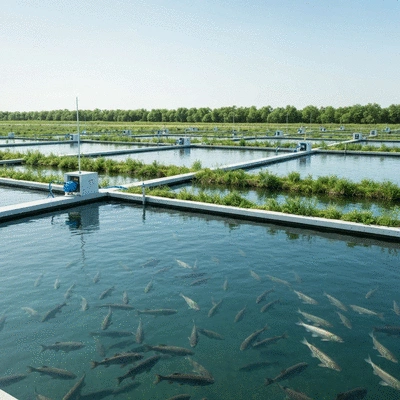
Many people wonder, “Is aquaculture harmful to the environment?” This question is essential because it influences public perception and policy decisions. The truth is, when done responsibly, aquaculture can have a significantly lower impact on the environment compared to traditional land-based farming.
Furthermore, aquaculture supports wild fisheries by providing supplementary sources of fish, which can help alleviate the pressures on overfished species. By creating a balance, we can ensure sustainable seafood for future generations! The National Science and Technology Council's Subcommittee on Aquaculture Research Plan Progress Report offers further insights into these advancements.
This question often arises in discussions about sustainable seafood. While poorly managed aquaculture can lead to environmental issues, successful practices focus on minimal impact. For instance, implementing integrated multi-trophic aquaculture (IMTA) allows different species to coexist and thrive, creating a more balanced ecosystem.
Instead of competing with wild fish populations, aquaculture can actually enhance them! Responsible aquaculture practices include:
At Cal Fish Farm, we champion these practices, working to educate our readers on how responsible aquaculture can bolster wild fish stocks rather than detract from them.
Aquaculture also plays a vital role in combating climate change. By utilizing renewable energy sources and implementing practices that promote carbon sequestration, aquaculture farms can significantly reduce their carbon footprints. For instance, seaweed farms not only provide a food source but also absorb carbon dioxide, helping mitigate climate change effects.
Additionally, aquaculture supports environmental stewardship through:
As we explore these environmental benefits, it's clear that aquaculture is more than just a farming practice; it’s a crucial ally in the fight for a sustainable future!
Here is a quick recap of the important points discussed in the article:
California Aquaculture Regulations Explained
Every aspiring aquaculture farmer in California should be equipped with knowledge about the vital re
Guide to California Aquaculture Regulations
What does the future of seafood look like in California? If you're considering diving into aquacultu
Aquaculture Feed Innovations in California
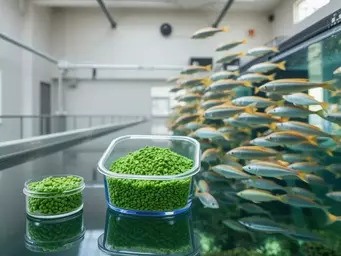
What if the secret to sustainable fish production lies in the feed? As we explore the innovations sh
California Aquaculture Regulations Explained
Guide to California Aquaculture Regulations
Aquaculture Feed Innovations in California
Sustainable Seafood Innovations in California
California's Seafood Farming Innovations