Revenue Generation
AOAs are projected to significantly enhance the state’s annual income by increasing seafood production value. This boosts the overall economic output of California.
Potential for Billions in Contribution
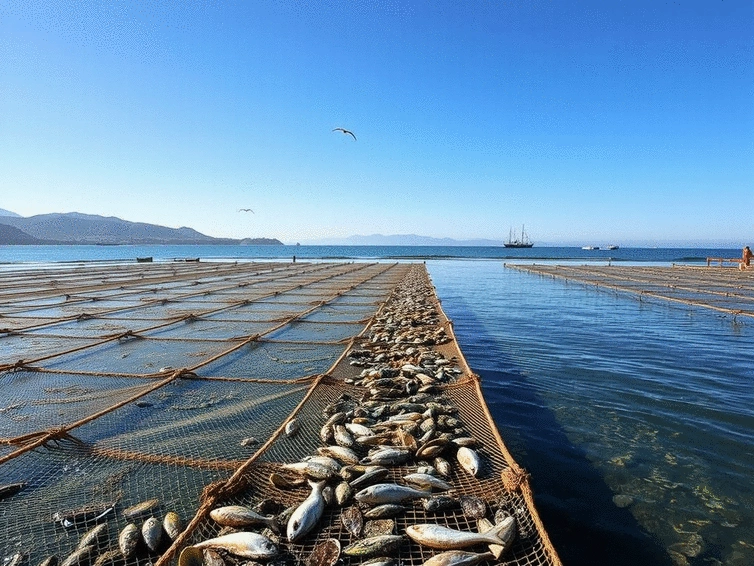
As we navigate the evolving landscape of sustainable aquaculture, it's crucial to understand the impact of Aquaculture Opportunity Areas (AOAs) on both the economy and the environment. These designated regions serve as a beacon for innovation and growth in California's aquaculture industry, highlighting the importance of responsible practices and community involvement.
California's Aquaculture Opportunity Areas (AOAs) are pivotal for sustainable economic growth, contributing significantly through direct revenue generation, job creation, and the promotion of eco-friendly practices. These key areas are highlighted below:
AOAs are projected to significantly enhance the state’s annual income by increasing seafood production value. This boosts the overall economic output of California.
The expansion of aquaculture facilities within AOAs leads to numerous job opportunities across farming, processing, and distribution sectors.
By implementing eco-friendly techniques, AOAs mitigate environmental concerns like overfishing and promote responsible seafood sourcing.
Continuous support and strategic policy development, involving local voices, ensure the full economic and environmental benefits of AOAs are realized.
California is at the forefront of sustainable aquaculture, and understanding Aquaculture Opportunity Areas (AOAs) is key to unlocking its potential. These designated regions are not just about farming fish; they represent a strategic approach to enhancing local economies while preserving our precious aquatic resources. In this section, we’ll explore what AOAs are and why they matter.
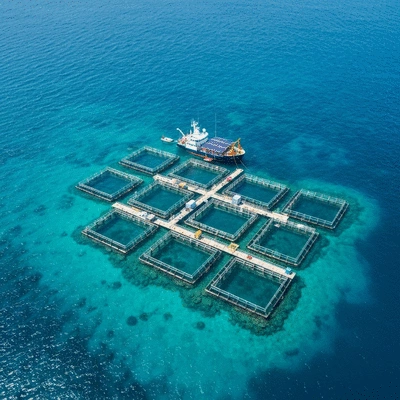
At Cal Fish Farm, we’re passionate about connecting consumers, chefs, and advocates to the benefits of responsible fish farming. The economic significance of these areas is profound, affecting everything from local employment to community development.
Aquaculture Opportunity Areas are specific regions identified for their potential to support sustainable fish farming. These areas are selected based on environmental conditions, proximity to markets, and existing infrastructure. By focusing on these designated zones, we can mitigate conflicts with other marine uses while maximizing productivity.
This comprehensive approach ensures that aquaculture can thrive without compromising California’s rich marine ecosystems. Together, we can foster a future where aquaculture and environmental stewardship go hand in hand!
The current state of California’s aquaculture is dynamic and rapidly evolving. With a variety of species being farmed, from shellfish to finfish, the landscape is diverse. Recent trends show a growing interest in sustainable practices, as consumers increasingly demand transparency about where their seafood comes from. For a deeper dive into California's aquaculture strategy, consider reading the 2022 Aquaculture Report.
As we analyze these trends, it’s clear that California is positioning itself as a leader in sustainable aquaculture, paving the way for future growth in the industry.
Marine resources play a crucial role in the success of Aquaculture Opportunity Areas. They provide the essential elements for farming operations, including water quality and nutrient availability. By focusing on these resources, we can create a thriving environment for aquaculture.
At Cal Fish Farm, we believe that understanding and managing these marine resources is vital for the success of aquaculture. By promoting sustainable practices, we can ensure that both our markets and marine environments flourish.
What aspect of Aquaculture Opportunity Areas intrigues you the most? Is it their potential for economic growth, the sustainability practices they promote, or perhaps the innovative technologies being utilized? Share your thoughts below:
As we explore the economic impact of Aquaculture Opportunity Areas (AOAs) in California, it’s essential to recognize the significant contributions these areas make to our state’s economy. With a dedicated focus on sustainable practices, California’s aquaculture sector is not only generating revenue but also fostering job growth and community development. Let’s dive into the key insights surrounding revenue, job creation, and sustainability.
Recent studies have shown that AOAs are poised to contribute billions to California's economy. This is due to their potential for innovation, which is vital for both the environment and local communities. By prioritizing sustainable practices, we can ensure that aquaculture remains a viable option for future generations. Further details on the economic and environmental benefits can be found in the 2022 Aquaculture Report, which highlights sustainable aquaculture's role in the state's economy.
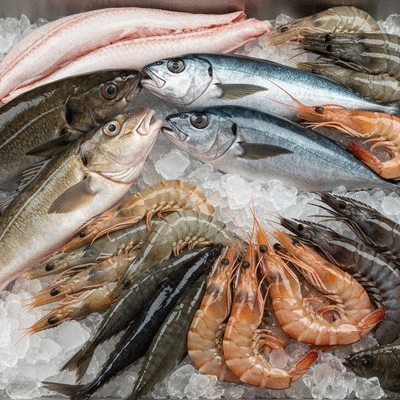
To understand the full impact of AOAs, we can break down their contributions into several key areas:
Each of these insights showcases how vital AOAs are to the economic landscape of California. They provide a foundation for sustainable growth while ensuring we meet the rising demand for seafood. As we move forward, continuous support and strategic development will be crucial in maximizing these benefits.
Ongoing support for aquaculture is critical. With legislative backing, we can ensure that the economic benefits of AOAs are realized fully. This involves creating policies that foster innovation, address regulatory hurdles, and encourage community engagement. A collaborative approach will not only strengthen the industry but also enhance its sustainability.
As an advocate for sustainable aquaculture, I see firsthand the necessity of integrating local voices into policy decisions. Communities must be involved in shaping the future of aquaculture, ensuring that it aligns with both economic needs and environmental stewardship. Engaging stakeholders—from farmers to consumers—creates a stronger, more resilient industry that benefits everyone.
The future of aquaculture is bright, but it requires active participation from all stakeholders. Here are some ways you can get involved:
By getting involved, we can foster a thriving aquaculture community that champions sustainability and economic growth. It’s about making informed choices that benefit both our plates and our planet!
Many people have questions about Aquaculture Opportunity Areas. Let’s address a few common concerns:
By addressing these questions, we can foster a better understanding of the importance of AOAs and their role in shaping a sustainable seafood future.
Innovation plays a pivotal role in the success of California’s aquaculture industry. New technologies are being developed to enhance productivity while minimizing environmental impacts. Some exciting areas of innovation include:
By embracing these technologies, California can continue to lead the way in sustainable aquaculture practices. As we push forward, it’s essential to remain open to new ideas and solutions that can enhance our industry.
Here is a quick recap of the important points discussed in the article:
California Aquaculture Regulations Explained
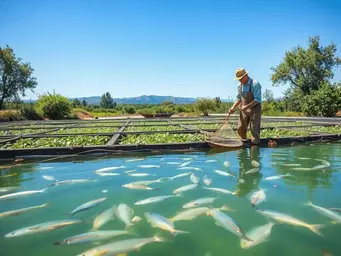
Every aspiring aquaculture farmer in California should be equipped with knowledge about the vital re
Guide to California Aquaculture Regulations
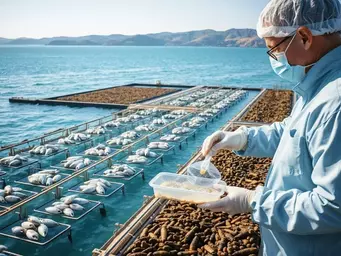
What does the future of seafood look like in California? If you're considering diving into aquacultu
Aquaculture Feed Innovations in California
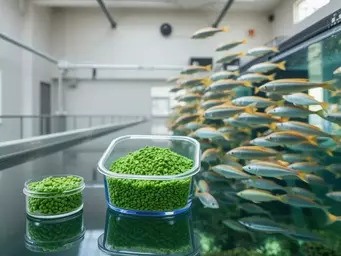
What if the secret to sustainable fish production lies in the feed? As we explore the innovations sh

California Aquaculture Regulations Explained
Guide to California Aquaculture Regulations
Aquaculture Feed Innovations in California
Sustainable Seafood Innovations in California
California's Seafood Farming Innovations