

California Aquaculture Best Practices Guide
As California’s aquaculture industry evolves, it not only meets rising seafood demands but also prioritizes sustainability and environmental responsibility. Interested in how aquaculture can reshape our food systems?
What You Will Learn
- California's freshwater aquaculture is essential for sustainable seafood production and local economies.
- Innovative farming methods like recirculating aquaculture systems (RAS) enhance efficiency while minimizing environmental impact.
- Understanding regulatory frameworks, such as permitting processes, is crucial for successful aquaculture practices.
- Key fish species farmed in California include rainbow trout, tilapia, and catfish, each offering unique market opportunities.
- Sustainable practices and site selection are vital for aquaculture success, fostering trust in local communities.
- Continuous education and community engagement are essential for adapting to changes in aquaculture policies and practices.
California's Freshwater Aquaculture: Key Species & Practices
An overview of the primary freshwater fish species farmed in California and the essential practices for success in the industry, showcasing the blend of strategic operations and environmental stewardship.
Key Freshwater Fish Species
- Rainbow Trout
- Tilapia
- Catfish
- Northern Pike
Key Strategies for Success
- Choosing the Right Site
- Sustainable Practices
- Operational Techniques
- Embracing Innovation
Understanding California's Freshwater Aquaculture Landscape
California's freshwater aquaculture industry is a vital part of our state's food production system. As someone who has spent years in this field, I can attest to its significance in providing sustainable seafood options while supporting local economies. The state's diverse climate allows for various fish species, ranging from trout to tilapia, to thrive in controlled environments. This practice not only meets consumer demand but also contributes to environmental conservation by reducing pressure on wild fish populations.
When we look deeper into California's freshwater aquaculture, we see innovative methods such as recirculating aquaculture systems (RAS) and pond-based farming that enhance efficiency and sustainability. These approaches enable farmers to produce fish while minimizing their environmental impact, ensuring that we protect our precious aquatic ecosystems. For more detailed information on regulations and best practices, refer to the California Aquaculture Principles.
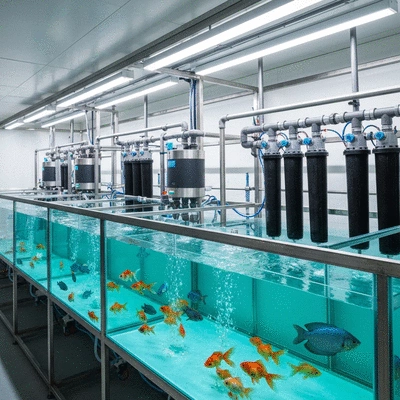
Overview of Freshwater Aquaculture in California
Freshwater aquaculture encompasses a variety of farming practices aimed at cultivating fish in freshwater systems. In California, the industry primarily focuses on species such as rainbow trout, catfish, and tilapia. Each method has its own unique set of techniques tailored to optimize growth and maintain water quality.
- Rainbow Trout: A favorite among consumers and chefs alike, trout farming has become a staple in California's aquaculture.
- Tilapia: Known for its adaptability and mild taste, tilapia is popular for both commercial and local markets.
- Native Species: Many farmers are also exploring the cultivation of native fish, which helps to preserve local biodiversity.
As we explore these species, it’s crucial to understand the farming methods associated with them. From traditional pond systems to advanced aquaponics, each approach plays a role in shaping the future of aquaculture in California.
Regulatory Framework and Compliance Requirements
Navigating the regulatory landscape is essential for anyone looking to enter the freshwater aquaculture sector. In California, the California Department of Fish and Wildlife (CDFW) oversees the necessary permitting processes to ensure that aquaculture practices are sustainable and compliant with environmental standards.
Farmers must obtain various permits, including:
- Water Use Permits: Essential for ensuring that water resources are managed responsibly.
- Fish Stocking Permits: Required when introducing non-native species into farming operations.
- Waste Discharge Permits: Mandated to prevent pollution from aquaculture activities.
Staying compliant not only helps protect our aquatic ecosystems but also fosters trust within the community, ensuring that we can continue to enjoy the fruits of our labor sustainably. You can find comprehensive details on the regulatory environment in the California Aquaculture Action Plan.
Key Freshwater Fish Species in California
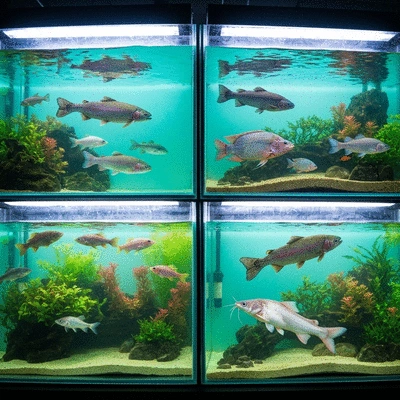
California’s aquaculture features a range of fish species that cater to both local and international markets. Here are some of the primary freshwater fish species that are farmed across the state:
- Rainbow Trout: Famous for its culinary versatility, trout is a significant player in California's aquaculture.
- Tilapia: This hardy fish is favored for its fast growth rate and mild flavor.
- Catfish: Known for its adaptability, catfish farming is popular among California farmers.
- Northern Pike: An emerging species that is gaining traction among innovative aquaculture practitioners.
By focusing on these species, California is establishing itself as a leader in sustainable seafood production. Each fish offers unique flavor profiles and culinary possibilities, providing consumers with diverse options while supporting local fish farms.
Frequently Asked Questions About California's Freshwater Aquaculture
What is freshwater aquaculture?
Freshwater aquaculture involves cultivating fish and other aquatic organisms in freshwater systems, such as ponds, tanks, and recirculation systems. In California, this primarily focuses on species like rainbow trout, tilapia, and catfish.
What are the key benefits of freshwater aquaculture in California?
It provides sustainable seafood options, supports local economies, reduces pressure on wild fish populations, and allows for innovative farming methods that minimize environmental impact.
What fish species are commonly farmed in California's freshwater aquaculture?
Common species include rainbow trout, tilapia, and catfish. Some farmers also explore native fish species to help preserve local biodiversity.
What regulatory requirements must aquaculture farmers meet in California?
Farmers must obtain various permits, including water use permits, fish stocking permits (especially for non-native species), and waste discharge permits, all overseen by the California Department of Fish and Wildlife (CDFW).
What are some key strategies for success in freshwater aquaculture?
Key strategies include choosing the right site, implementing sustainable practices, employing effective operational techniques (like feeding and health management), and embracing innovation such as aquaponics systems.
Engage with Your Community!
As you delve deeper into the world of California's freshwater aquaculture, we want to hear from you! What aspects of aquaculture intrigue you the most? Are you interested in learning more about specific fish species or farming techniques? Share your thoughts below:
Recapping Key Strategies for Freshwater Aquaculture Success
As we wrap up our exploration of California's freshwater aquaculture, it's clear that success in this dynamic industry relies on a blend of strategic practices and ongoing education. By focusing on site selection, implementing sustainable practices, and adhering to regulatory frameworks, aspiring aquaculture farmers can position themselves for both productivity and environmental stewardship.
To summarize, here are some of the essential practices we've discussed:
- Choosing the Right Site: Understanding water rights and selecting an optimal location is crucial for success.
- Sustainable Practices: Implementing best management practices (BMPs) not only helps in waste management but also enhances biosecurity. For comprehensive guidelines, refer to the Commercial Aquaculture Stewardship Guidelines and Best Management Practices from UC Davis.
- Operational Techniques: Employing effective feeding strategies and health management systems tailored to specific species boosts productivity.
- Embracing Innovation: Keeping an eye on emerging technologies, such as aquaponics systems, can lead to improved efficiency.
Taking Action: Next Steps for Aspiring Aquaculture Farmers
Now that we've covered these vital strategies, I encourage you to take action! It’s time to assess your own aquaculture practices. Are there areas where you can implement sustainable methods or enhance productivity? I recommend reaching out to local resources—such as the California State University Aquaculture Program—for educational opportunities that can elevate your operations.
Engaging with the community is equally important. Consider participating in workshops or networking events to connect with fellow farmers and learn from their experiences. The journey in freshwater aquaculture is constantly evolving, and by staying involved, you’ll be better equipped to adapt to changes in the industry.
Stay Informed on Best Practices and Regulatory Changes
Keeping up with the latest developments in California's freshwater aquaculture policies is essential for long-term success. I recommend regularly checking resources such as the Aquaculture Research Program and the USDA National Organic Program. These platforms provide valuable insights into best practices, regulatory changes, and emerging trends in the aquaculture landscape.
Additionally, following organizations like the California Aquaculture Association can offer updates and support as you navigate your aquaculture journey. Remember, being informed is the key to sustainable success in our vibrant aquaculture community!
Recap of Key Points
Here is a quick recap of the important points discussed in the article:
- Choosing the Right Site: Understanding water rights and selecting an optimal location is crucial for success.
- Sustainable Practices: Implementing best management practices (BMPs) enhances waste management and biosecurity.
- Operational Techniques: Effective feeding strategies and health management tailored to specific species boost productivity.
- Embracing Innovation: Keeping an eye on emerging technologies, such as aquaponics systems, can lead to improved efficiency.
California Aquaculture Regulations Explained
Guide to California Aquaculture Regulations
Aquaculture Feed Innovations in California
Sustainable Seafood Innovations in California
California's Seafood Farming Innovations