California Aquaculture: Embracing Technology
As we stand on the brink of a new era in aquaculture, the integration of technology isn't just enhancing productivity; it's reshaping our approach to sustainability and seafood sourcing. How will these advancements influence our future seafood choices?
What You Will Learn
- Real-time data analytics are revolutionizing fish farming, enabling better health management and resource optimization.
- Genetic innovations, like CRISPR, are enhancing fish resilience and sustainability in California's aquaculture sector.
- AI and automation are streamlining operations, improving fish welfare, and reducing waste in aquaculture practices.
- Sustainable aquaculture technologies, such as integrated multi-trophic aquaculture, are crucial for ecological balance.
- Regulatory and economic challenges can hinder technology adoption, particularly for smaller producers.
- Collaborative efforts between industry leaders and educational institutions are vital for driving innovation and knowledge sharing.
Technological Advancements in California's Aquaculture Industry
Key innovations are driving efficiency and sustainability in fish farming. Here's a look at the core areas of technological impact and the challenges faced.
Understanding Technological Advancements in California's Aquaculture Industry
In the evolving landscape of California's aquaculture, technology is becoming more than just a tool; it’s a game-changer! The impact of these advancements is profound, enhancing both efficiency and sustainability in fish farming. As we delve into this topic, think about how these innovations can reshape not just the industry but also our relationship with seafood.
With technology, we are seeing remarkable improvements in how fish are farmed, resulting in healthier stock and more sustainable practices. This is crucial for both producers and consumers who are becoming more conscious of their seafood choices.
The Growing Role of Technology in Aquaculture
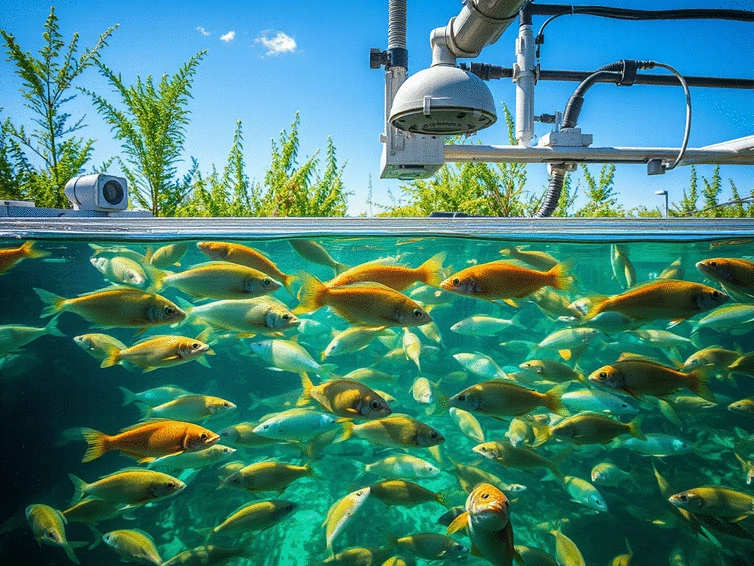
Technology is now at the forefront of aquaculture, streamlining operations and improving yield. Here are a few ways technology is making waves in the industry:
- Data-Driven Decisions: Real-time data analytics allow farmers to monitor conditions and optimize feed and health management.
- Resource Efficiency: Automated systems reduce labor costs and environmental impact by ensuring that resources are used wisely.
- Traceability: Technology enhances transparency, enabling consumers to know where their seafood comes from and how it was raised.
As we explore the details of these advancements, it's clear that technology is not just enhancing productivity; it's also paving the way for more responsible aquaculture practices.
Key Innovations Driving Change
Genetic Innovation and Genome Editing Techniques
One of the most exciting areas of development in aquaculture is genetic innovation. Techniques like CRISPR and precision breeding are revolutionizing how we approach fish farming. These advancements allow for selective breeding of fish that are resilient to diseases, grow faster, and require less feed, ultimately making operations more sustainable.
The implications for California's aquaculture are significant. By using these genetic technologies, farms can produce healthier fish while minimizing their ecological footprint.
Artificial Intelligence and Automation in Aquaculture
Artificial Intelligence (AI) is transforming aquaculture through applications like real-time monitoring systems and machine learning algorithms for disease prediction. These tools enable farmers to respond quickly to health issues, maintaining fish welfare and productivity.
- AI-driven sensors monitor water quality and fish behavior.
- Data collection helps in predictive analytics for better farm management.
- Automated feeding systems optimize feed use, reducing waste.
By integrating AI, aquaculture businesses can run more efficiently, resulting in a win-win for both producers and consumers.
Sustainable Aquaculture Technologies
Technological advancements in aquaculture are also focusing on sustainability. Innovative methods are being developed to enhance climate resilience and ensure food security. For instance, integrated multi-trophic aquaculture (IMTA) systems allow farmers to cultivate different species together in a way that benefits the ecosystem, as highlighted in the 2024 Annual Report on sustainable practices.
This approach not only maximizes space but also minimizes waste. It's an exciting area of growth that aligns with our mission at Cal Fish Farm to promote responsible seafood practices.
Advancements in Hatchery Technology and Fish Breeding
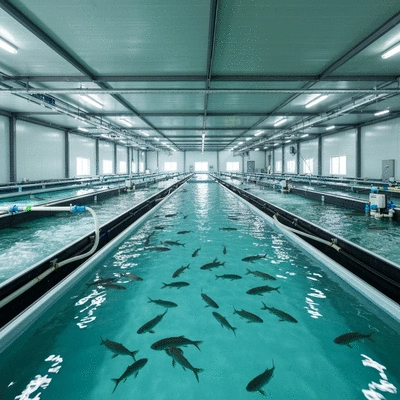
Innovations in hatchery technology are crucial for improving stock quality and farm productivity. These advancements include technologies for better water quality management and spawning efficiency, ensuring that hatcheries can produce robust fish from the outset.
These enhancements lead to healthier fish entering the farming process, which in turn supports sustainable seafood practices and boosts overall production.
Industry Leaders and Innovations
Centre for Aquaculture Technologies (CAT): Pioneering Change
The Centre for Aquaculture Technologies (CAT) is at the forefront of research and development in California's aquaculture sector. Their efforts in advancing genetic technologies and sustainable practices are reshaping the industry landscape!
CAT’s commitment to innovation is helping local farmers adapt to challenges while improving yield and sustainability.
Collaboration with Educational Institutions
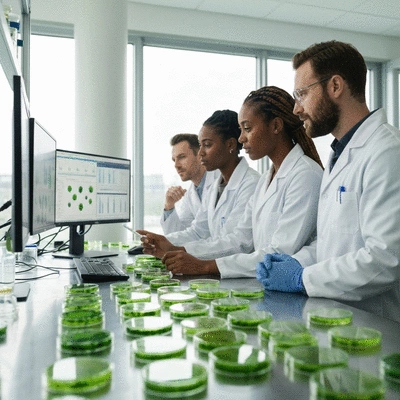
Partnerships with universities, such as UC San Diego, are essential for fostering research and development in aquaculture technologies. These collaborations not only advance knowledge but also bridge the gap between academia and real-world applications, ensuring that innovations are accessible to producers.
This collaborative spirit is vital for the growth of California's aquaculture, creating a robust network of support and innovation.
California Aquaculture Association: Supporting Innovation
The California Aquaculture Association plays a significant role in promoting innovation within the industry. By providing resources, networking opportunities, and advocacy, they help local producers navigate the complexities of adopting new technologies.
- Offering educational workshops and training sessions.
- Facilitating collaboration among farmers and tech developers.
- Advocating for favorable policies and regulations.
Through their efforts, the association is fostering a culture of innovation that benefits everyone involved in California’s aquaculture.
Challenges and Barriers to Technology Adoption
Economic Considerations: ROI for Small vs. Large Producers
While technology brings many benefits, it also presents challenges, especially regarding economic considerations. Small producers often face higher costs when adopting new technologies compared to larger operations that can spread these costs over greater production volumes.
Understanding the return on investment (ROI) for different scales of production is crucial for making informed decisions about technology adoption.
Implementation Challenges in Aquaculture
Producers encounter several obstacles when integrating new technologies. These can include workforce training, the need for upgraded infrastructure, and even cybersecurity risks associated with digital systems.
Addressing these challenges is essential for ensuring that the benefits of technology can be fully realized across the industry.
Regulatory Hurdles and Compliance Requirements
The regulatory landscape of aquaculture can also be daunting. Compliance with state and federal regulations, such as those set by the California Department of Fish and Wildlife, can create barriers to technology adoption.
Understanding these regulations and navigating compliance effectively is key for producers looking to innovate.
Regulatory Landscape and Support Mechanisms
Understanding California-Specific Policies
California's policies play a crucial role in facilitating technological adoption within aquaculture. Initiatives aimed at supporting sustainable practices and innovation are critical for the industry's future.
By aligning with state-level regulations, producers can better position themselves to access resources and support.
Federal Support via National Aquaculture Development Plan
Federal policies also aim to strengthen the aquaculture sector, particularly in light of climate change and food security. The National Aquaculture Development Plan offers frameworks and resources that can help producers navigate these challenges, as outlined in initiatives like the 2024 National Aquaculture Initiative.
Understanding these policies is vital for ensuring that California's aquaculture remains competitive and sustainable.
Case Studies and Success Stories in Aquaculture
Documented Outcomes from Early Adopters
Real-life examples of producers integrating these technologies can offer valuable insights. For instance, farms that have adopted AI-driven monitoring systems report significant improvements in fish health and productivity.
These case studies demonstrate the tangible benefits of embracing technology in aquaculture.
Lessons Learned from Technological Integration
From the experiences of aquaculture businesses in California, we can gather best practices and insights that inform future technology adoption. Successful producers share their journeys, highlighting what worked for them and what challenges they faced.
These lessons contribute to a collective understanding that can guide others in the industry.
Success Stories in Sustainable Seafood Initiatives
Finally, projects focused on sustainable seafood initiatives, such as shellfish farming and aquaponics, showcase how technology can support environmental stewardship. These success stories are inspiring examples of how innovation leads to responsible practices.
At Cal Fish Farm, we believe that sharing these narratives is essential for encouraging a broader adoption of sustainable methods in aquaculture.
Frequently Asked Questions (FAQs)
A: Technology improves sustainability through genetic innovations for resilient fish, AI for optimized resource use and waste reduction, and sustainable practices like integrated multi-trophic aquaculture (IMTA) to maintain ecological balance.
A: Key innovations include genetic engineering (CRISPR), Artificial Intelligence and automation for real-time monitoring and predictive analytics, sustainable aquaculture technologies (IMTA), and advanced hatchery technologies for improved water quality and spawning efficiency.
A: Producers face economic considerations, particularly for small-scale operations, implementation challenges such as workforce training and infrastructure needs, and regulatory hurdles involving compliance with state and federal regulations.
A: Federal policies, such as the National Aquaculture Development Plan, provide frameworks and resources to help producers navigate challenges related to climate change and food security, ensuring the industry remains competitive and sustainable. This is further supported by initiatives like the 2024 National Aquaculture Initiative.
A: Educational institutions, like UC San Diego, collaborate with industry leaders on research and development, bridging the gap between academic knowledge and real-world applications, and making innovations accessible to producers.
Interactive Poll: Your Thoughts on Technology in Aquaculture
How do you feel about the integration of technology in aquaculture? Share your thoughts below:
Reflecting on the Future of Aquaculture Technology
As we look ahead, it's clear that technological advancements are not just reshaping California's aquaculture industry; they're revolutionizing it! The integration of innovative practices is crucial for enhancing efficiency, promoting sustainability, and ensuring food security. Understanding these changes will help producers adapt and thrive in a rapidly evolving market.
From genetic innovations to artificial intelligence, the impact of technology on fish farming is profound. These advancements promise to improve not only the quality of our seafood but also the health of our aquatic ecosystems. The journey towards a sustainable aquaculture future is indeed exciting, and I invite you to explore this path with us!
Next Steps for Producers
For California aquaculture producers, the time to act is now! Embracing technology can lead to significant improvements in your operations. Here are some next steps to consider:
- Assess your current practices and identify areas where technology can help improve efficiency.
- Research available technological solutions tailored to your specific needs and scale.
- Engage with industry experts to understand best practices and potential challenges.
- Consider partnerships with tech developers to explore customized solutions.
By taking proactive steps, you can position your farm at the forefront of the aquaculture industry, ensuring a sustainable future for both your business and our oceans!
Engagement and Resources
I’d love to hear from you! Have you implemented any new technologies in your aquaculture practices? Your experiences can inspire others in our community. Please share your stories and insights!
- Join our online forums to connect with fellow producers and share knowledge.
- Explore resources from the California Aquaculture Association for guidance and support.
- Check out technological webinars and workshops offered by local universities.
Engaging with these resources not only helps you stay informed but also fosters a collaborative environment that benefits everyone involved in California's aquaculture industry.
Emerging Trends in Aquaculture Market and Investment
The aquaculture market is witnessing exciting trends that signal a wave of investment opportunities. Here’s what to keep an eye on:
- Growth in consumer demand for sustainably sourced seafood.
- Increased interest in aquaponics and integrated multi-trophic aquaculture (IMTA).
- Advancements in feed technology that reduce environmental impact.
- Investments in automation and AI tools for better management and efficiency.
Understanding these trends allows producers not only to adapt but also to thrive. The opportunities for innovation in aquaculture are vast, and as we work together, we can ensure a robust and sustainable future for our industry!
Recap of Key Points
Here is a quick recap of the important points discussed in the article:
- Embrace technology to enhance efficiency and sustainability in aquaculture.
- Utilize data-driven decisions and AI for better farm management and fish welfare.
- Adopt genetic innovations to produce healthier fish while minimizing ecological impact.
- Focus on sustainability through practices like integrated multi-trophic aquaculture (IMTA).
- Collaborate with industry leaders and educational institutions for continuous improvement.
- Understand regulatory landscapes and compliance requirements to facilitate technology adoption.

California Aquaculture Regulations Explained
Guide to California Aquaculture Regulations
Aquaculture Feed Innovations in California
Sustainable Seafood Innovations in California
California's Seafood Farming Innovations