Local Sourcing & Environmental Impact
Supports local economies and protects marine biodiversity. It is the foundation of the farm-to-table movement.

As we navigate the complexities of our food systems, it becomes increasingly crucial to understand the origins of what we consume. This isn't merely a matter of taste; it's about supporting practices that sustain our planet and our communities. Dive into the vital lessons of California's sustainable seafood movement, and discover how your choices can make a significant impact.
The farm-to-table seafood concept in California is built on three pillars: the importance of local sourcing, the role of certifications, and the future prospects shaped by innovation and community engagement.
Supports local economies and protects marine biodiversity. It is the foundation of the farm-to-table movement.
Programs like Monterey Bay Seafood Watch guide consumers to make informed, sustainable choices.
Adaptive management and technology are driving resilience against climate change impacts.
Participating in CSFs and festivals strengthens the sustainable seafood ecosystem.
California is making waves in the world of sustainable seafood practices. The farm-to-table seafood concept embodies a commitment to sourcing local seafood sustainably, ensuring that our culinary choices not only satisfy our taste buds but also support the health of our oceans and local communities. This approach emphasizes the importance of knowing where our seafood comes from and how it is raised, reflecting a deep respect for the delicate balance of our aquatic ecosystems.
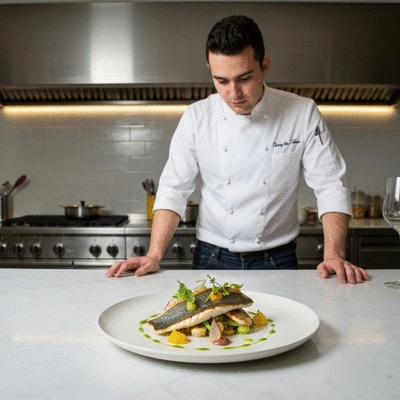
In California, this concept involves a strong connection between consumers and local fish farms, promoting a transparent supply chain. When you choose farm-to-table seafood, you are directly supporting responsible practices that prioritize environmental stewardship and community well-being. It's not just about eating; it's about making informed choices that echo our values.
The farm-to-table movement in California is rooted in the idea that the freshest seafood should come directly from local farms and fisheries. This means that consumers are encouraged to enjoy fish and shellfish that are caught or farmed nearby, minimizing transportation and preserving freshness. Sustainable practices are at the heart of this movement, ensuring that fish farming does not harm the environment.
By embracing this farm-to-table concept, Californians are redefining how we view seafood consumption. It encourages a shift towards a more responsible seafood culture that benefits everyone—from the fish farmers to the local restaurants and, ultimately, the consumers.
Sustainable seafood sourcing is crucial for safeguarding our oceans and local economies. When we choose seafood that has been responsibly farmed or harvested, we help combat issues like overfishing and habitat destruction. This choice directly impacts the vitality of marine ecosystems, allowing them to thrive and regenerate. The National Oceanic and Atmospheric Administration (NOAA) provides comprehensive information on the importance of sustainable seafood for healthy marine environments.
At Cal Fish Farm, we emphasize the profound impact of sustainable seafood on our environment. By choosing sustainably sourced options, we contribute to a healthier future for our oceans and the communities that depend on them.
Seafood certifications, such as the Monterey Bay Seafood Watch, play a pivotal role in guiding consumers towards sustainable choices. These programs assess the environmental impact of seafood sourcing and provide easy-to-understand recommendations for consumers. By checking these certifications, you can make informed decisions at the market or restaurant.
These certifications provide a roadmap for consumers who want to support sustainable seafood. By choosing certified products, we collectively promote better practices in the seafood industry, ensuring that future generations can enjoy the bounty of our oceans.
As we explore the impact of sustainable seafood practices, we want to know your thoughts! How important is sourcing local seafood to you? Share your perspective below:
As we look ahead, the future of farm-to-table seafood in California appears promising yet complex. Emerging trends are shaping our seafood landscape, especially as we confront the challenges posed by climate change. Rising sea temperatures, ocean acidification, and shifting fish populations could profoundly impact fisheries and aquaculture practices.
In response to these challenges, innovative approaches are gaining traction. Here are some key trends to watch:
These trends indicate a shift towards a more robust and resilient seafood system, one that prioritizes the health of our oceans while meeting the demands of conscious consumers. As an advocate for sustainable seafood practices through Cal Fish Farm, I’m excited to see how these advancements will unfold!
Engaging with California’s farm-to-table seafood movement is crucial for its success. There are numerous ways you can support local initiatives while enjoying delicious, sustainable seafood. Here are some actions you can take:
By getting involved, you not only enjoy the benefits of fresh, locally sourced seafood but also play a role in fostering a sustainable future for California’s fisheries. Together, we can champion the values of responsible consumption and support the hardworking communities dedicated to preserving our oceans and the bounty they provide!
Here is a quick recap of the important points discussed in the article:
California Aquaculture Regulations Explained
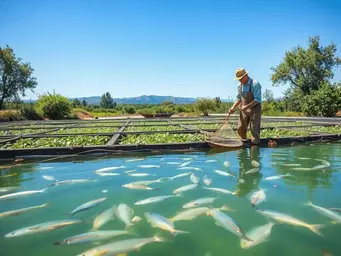
Every aspiring aquaculture farmer in California should be equipped with knowledge about the vital re
Guide to California Aquaculture Regulations
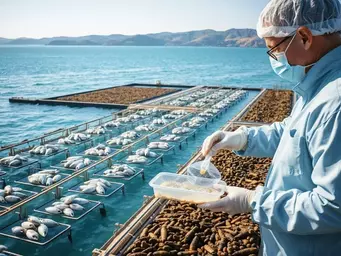
What does the future of seafood look like in California? If you're considering diving into aquacultu
Aquaculture Feed Innovations in California
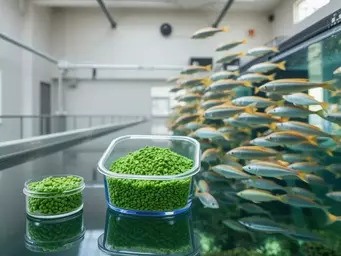
What if the secret to sustainable fish production lies in the feed? As we explore the innovations sh
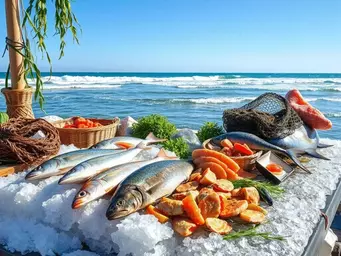
California Aquaculture Regulations Explained
Guide to California Aquaculture Regulations
Aquaculture Feed Innovations in California
Sustainable Seafood Innovations in California
California's Seafood Farming Innovations