Industry Valuation
$200M+
California's Aquaculture Industry
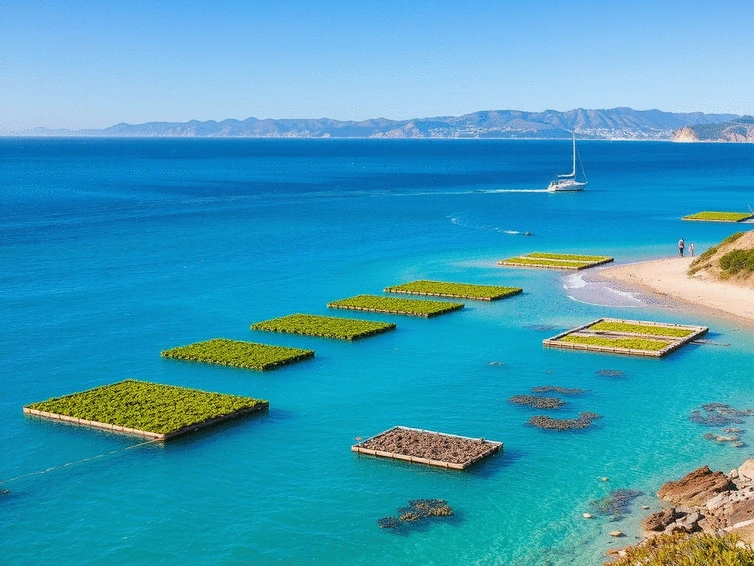
As consumers increasingly seek out sustainable options, the aquaculture landscape in California is evolving rapidly. What drives this transformation, and how does it impact our seafood choices? Let's explore the key insights from the dynamic world of California's aquaculture market.
A visual summary of key statistics and projections for California's leading role in sustainable aquaculture.
$200M+
California's Aquaculture Industry
20%
Projected in next 5 years
California plays a crucial role in the broader U.S. aquaculture sector, acting as a vibrant hub for sustainable seafood practices. Our diverse coastline and innovative farming techniques contribute significantly to the national supply of high-quality seafood. In fact, California is known for producing a variety of species that not only meet local demands but also cater to markets across the country. According to the California Ocean Protection Council's annual report, the state continues to advance its commitment to sustainable coastal and ocean management, which includes supporting responsible aquaculture development.
As I dive into the importance of California's aquaculture landscape, I often reflect on the connections between local fish farms and the culinary scene. It’s inspiring to see how restaurants are embracing fresh, responsibly farmed fish from just a few miles away! This shift highlights the demand for transparency in sourcing and encourages a sustainable approach to seafood consumption.
The current landscape of U.S. aquaculture is evolving, with California emerging as a leader in sustainable practices. As the industry matures, more consumers are becoming aware of the benefits of farmed vs. wild-caught fish. California's unique climate and commitment to innovation make it a prime player in this arena.
Being involved in this community, I see firsthand how these factors contribute not only to the economy but also to the health of our oceans. The dedication of California's farmers to sustainable practices is inspiring and sets a standard for others to follow. For a deeper understanding of the economic and environmental benefits, explore the Aquarium of the Pacific's report on California's aquaculture industry.
Looking ahead, the global aquaculture market is projected to grow significantly, with California poised to capture a substantial share of this expansion. As consumer preferences shift towards sustainable and locally sourced seafood, I believe that the demand for farm-raised fish in California will only increase. This growth is driven by the need for innovative solutions that align with environmental stewardship.
The potential for growth excites me, knowing that California's aquaculture industry can lead the way in setting best practices. By focusing on sustainability, we can ensure that our seafood sector thrives while protecting the environment for future generations.
The California Aquaculture Association (CAA) plays a pivotal role in supporting industry growth and advocacy. As a key voice for aquaculture in the state, the CAA works tirelessly to connect farmers with resources, market opportunities, and educational initiatives. Their efforts help foster a collaborative environment where innovation can flourish.
Through the CAA, our community is empowered to share knowledge and drive positive change. I personally appreciate their commitment to creating a sustainable future for California's aquaculture, and I encourage everyone to get involved and support their initiatives!
What aspect of California's aquaculture industry excites you the most? Is it the innovative farming techniques, the commitment to sustainability, or the delicious seafood options available? Share your thoughts below:
Government support plays a crucial role in shaping the future of aquaculture in California. The National Oceanic and Atmospheric Administration (NOAA) has introduced various programs, including the Aquaculture Opportunity Areas initiative, which designates specific locations for sustainable aquaculture development. These areas are designed to minimize environmental impacts while maximizing the efficiency of fish farming.
In addition to NOAA's initiatives, local government policies further bolster the aquaculture sector. Here are some key support mechanisms:
By streamlining processes and offering financial support, these initiatives significantly boost the aquaculture industry's potential in California. The collaboration between government and industry is essential to shaping a sustainable seafood future.

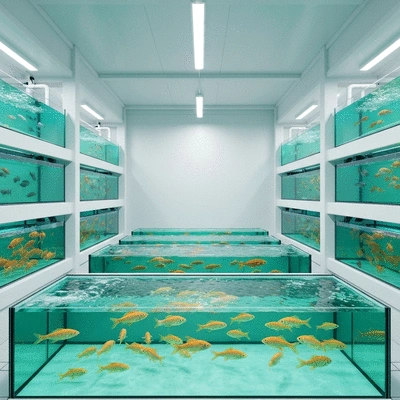
Technological advancements are transforming the aquaculture landscape in California, making operations more efficient and sustainable. One notable innovation is the use of Recirculating Aquaculture Systems (RAS), which allows fish farmers to recycle water and maintain optimal growing conditions with minimal environmental impact. This technology not only conserves water but also reduces waste—a critical consideration in today's eco-conscious market.
Other emerging technologies include:
These innovations not only drive efficiency but also align with our vision at Cal Fish Farm to promote responsible aquaculture practices. Embracing technology helps us ensure sustainable seafood production while meeting growing consumer demand.
Collaboration between industry and academia is vital for fostering innovation in aquaculture. Partnerships with research institutions, such as the University of California, Davis, provide invaluable insights into sustainable practices and emerging trends. These collaborations often result in groundbreaking research that informs best practices within the industry.
Key areas of focus in these collaborations include:
By working closely with institutions like UC Davis, we at Cal Fish Farm can stay ahead of the curve, ensuring that our practices are not only innovative but also rooted in sound science. This collaboration is essential for driving the aquaculture sector toward a more sustainable future.
Here is a quick recap of the important points discussed in the article:
California Aquaculture Regulations Explained
Every aspiring aquaculture farmer in California should be equipped with knowledge about the vital re
Guide to California Aquaculture Regulations
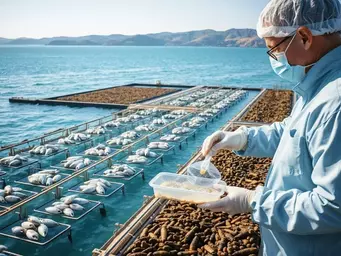
What does the future of seafood look like in California? If you're considering diving into aquacultu
Aquaculture Feed Innovations in California
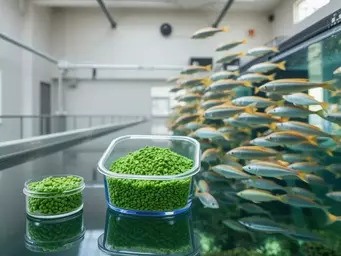
What if the secret to sustainable fish production lies in the feed? As we explore the innovations sh
California Aquaculture Regulations Explained
Guide to California Aquaculture Regulations
Aquaculture Feed Innovations in California
Sustainable Seafood Innovations in California
California's Seafood Farming Innovations