Innovative Aquaculture Techniques
Pioneering methods to minimize environmental footprints & promote regenerative farming.
Key Takeaway 1
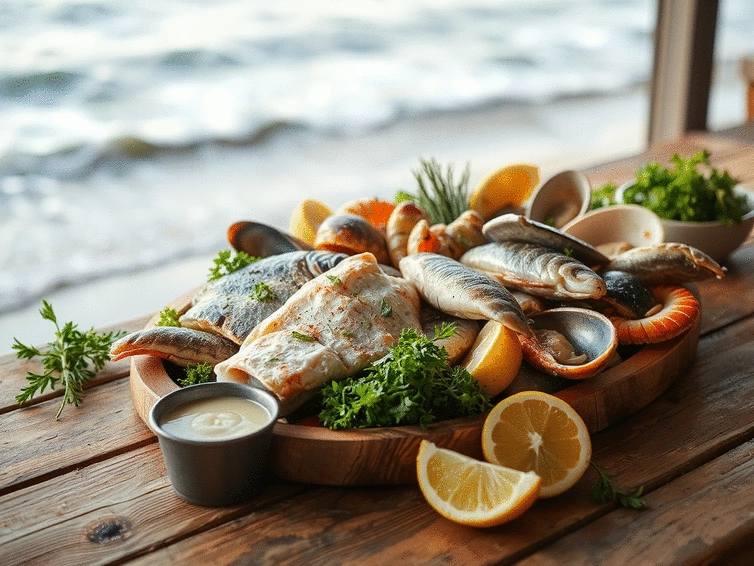
Did you know that California is a pivotal player in the global conversation around sustainable seafood? It's not just about delicious meals; it's about the health of our oceans and the communities that rely on them. Dive into these key insights that reveal how our choices can create a ripple effect for a more sustainable seafood future.
The visual below highlights California's multifaceted contributions to sustainable seafood production, categorized into key areas of influence.
Pioneering methods to minimize environmental footprints & promote regenerative farming.
Implementation of MPAs and restoration projects to enhance biodiversity.
Strong partnerships among farmers, scientists, policymakers, setting global standards.
Commitment to informing consumers about sustainable seafood sourcing and certifications.
California is not just a beautiful coastal state; it plays a pivotal role in shaping the conversation around sustainable seafood production globally. Understanding this influence is essential for consumers, chefs, and environmental advocates alike. At Cal Fish Farm, we dive into the complexities of sustainable seafood, highlighting the importance of responsible sourcing, while celebrating the innovations rooted in California's aquaculture.
Sustainable seafood refers to fish and shellfish that are caught or farmed in ways that consider the long-term vitality of the species and the well-being of the oceans. This concept goes beyond mere sustainability; it encompasses ecological integrity, economic viability, and social responsibility. By embracing these principles, we ensure that future generations can enjoy the ocean's bounty just as we do today.
So, what exactly makes seafood sustainable? It involves practices that minimize environmental impact, protect aquatic ecosystems, and support local economies. The benefits of sustainable seafood extend beyond the plate; they include:
As we navigate this journey together, it's crucial to recognize that our choices have the power to make waves in the industry. Choosing sustainable seafood is not just a trendy option; it's a responsibility each of us carries.
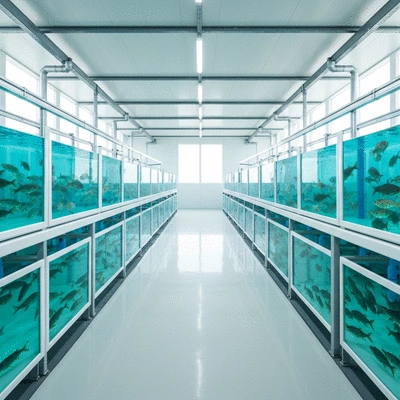
California's aquaculture industry is often at the forefront of adopting new practices that promote sustainability. With its diverse marine environments and progressive regulations, the state has become a significant player in global seafood trends. Key elements of California's role include:
At Cal Fish Farm, we believe that showcasing these efforts helps to educate and inspire others. By shining a light on California's innovations, we can encourage a ripple effect that promotes sustainable practices worldwide.
Conserving our ocean ecosystems is not just an option but a necessity. California has implemented various conservation efforts that are making headlines. Some notable initiatives include:
As we explore these marine conservation efforts, we see that every action counts. Together, we can cultivate a culture of sustainability that not only supports local fish farms but also ensures the health of our precious aquatic ecosystems.
As we continue to explore the impact of sustainable seafood, we'd love to know your thoughts! What factors influence your seafood purchasing decisions the most?
A: Sustainable seafood refers to fish and shellfish caught or farmed in ways that ensure the long-term health of marine ecosystems, protect biodiversity, and support local economies without depleting fish populations for future generations.
A: California plays a pivotal role through innovative aquaculture techniques, strong regulatory leadership in setting environmental standards, effective marine conservation efforts like Marine Protected Areas (MPAs), and collaborative initiatives among stakeholders.
A: MPAs are designated ocean areas designed to protect and restore marine habitats and species. They are crucial for preserving biodiversity, allowing ecosystems to recover, and serving as natural laboratories for scientific research.
A: Consumers can identify sustainable seafood by looking for recognized certifications such as the Marine Stewardship Council (MSC) for wild-caught fish, the Aquaculture Stewardship Council (ASC) for farmed fish, and Best Aquaculture Practices (BAP) standards. Mobile apps and online databases also provide sustainability ratings.
A: Local fish farms in California are often at the forefront of pioneering sustainable and regenerative aquaculture methods. They contribute to local economies, reduce transportation footprints, and serve as vital case studies for implementing sustainable practices globally.
California stands out as a beacon of sustainable seafood production and innovation. Our state's combination of rich marine resources, regulatory frameworks, and community engagement has established a model that others can learn from. As I reflect on the ongoing journey of Cal Fish Farm, it's clear that our local efforts contribute significantly to global practices in aquaculture.
Here are some key takeaways that highlight California's impact on sustainability and innovation in seafood:
These elements not only shape our local industry but also inspire global initiatives aimed at preserving aquatic ecosystems. It’s through understanding these connections that we can appreciate California’s role in fostering responsible seafood production worldwide.
Local case studies play a vital role in demonstrating the effectiveness of sustainable practices. By examining specific farms and projects, we can gain insights into real-world applications of sustainability that go beyond theoretical frameworks. California’s aquaculture success stories provide valuable lessons that can be adapted across various regions and markets.
For instance, consider the innovative practices adopted by a small coastal farm right here in California. Their journey showcases how local farmers implement sustainable methods effectively while maintaining high-quality production. Here are some examples of what we can learn from local case studies:
Such localized approaches not only strengthen our communities but also contribute to global discussions on sustainable seafood. By sharing these successes, we pave the way for broader acceptance and implementation of sustainable practices.
As we champion sustainable seafood production, it’s crucial to evaluate the environmental impact of our practices. Understanding how aquaculture affects marine ecosystems allows us to refine our methods and minimize negative effects. At Cal Fish Farm, we are dedicated to promoting practices that not only yield delicious fish but also protect our waters.
Some of the key factors in assessing environmental impact include:
By focusing on these areas, we can ensure that our approach to seafood production aligns with the principles of sustainability and conservation. Together, let’s work toward an aquaculture future that benefits both consumers and our precious ecosystems!
Everyone has a role to play in promoting sustainable seafood practices! Whether you’re a consumer, chef, or advocate, there are simple ways to make a difference. By supporting local fish farms and choosing sustainable products, you contribute to a healthier ocean and a more vibrant community.
Here’s how you can make an impact:
Every small action counts! By spreading awareness and making informed choices, we can collectively steer the seafood industry toward sustainability.
To empower consumers and advocates alike, various interactive tools are available to help assess seafood sustainability. These resources not only inform but also encourage responsible choices at the market. Utilizing these tools can enhance your understanding and engagement with sustainable seafood.
Some popular interactive tools include:
By leveraging these tools, we can all contribute to a more informed seafood community. It’s exciting to see how technology can help bridge the gap between consumers and sustainable practices!
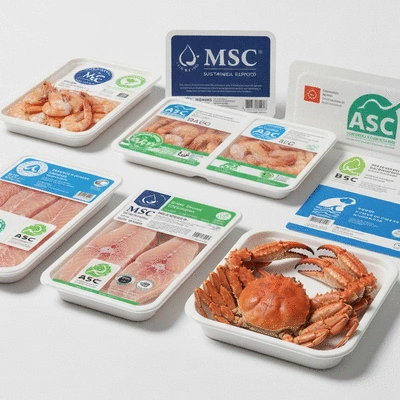
Seafood certifications play an essential role in guiding consumers toward sustainable choices. By recognizing various certification labels, we can ensure that the seafood we purchase aligns with our values regarding environmental responsibility.
Some notable certifications to be aware of include:
Understanding these certifications empowers consumers to make informed decisions that support sustainable seafood practices. As we work together to raise awareness of these labels, we foster a community that prioritizes the health of our oceans and the sustainability of our seafood supply!
Here is a quick recap of the important points discussed in the article:
California Aquaculture Regulations Explained
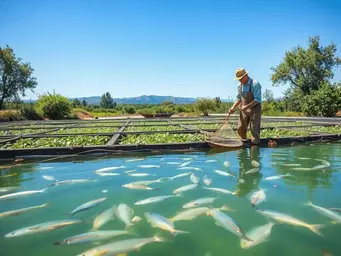
Every aspiring aquaculture farmer in California should be equipped with knowledge about the vital re
Guide to California Aquaculture Regulations
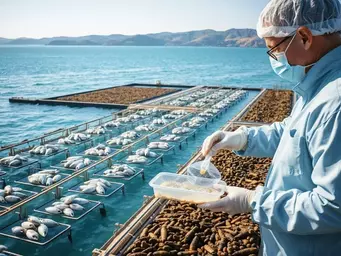
What does the future of seafood look like in California? If you're considering diving into aquacultu
Aquaculture Feed Innovations in California
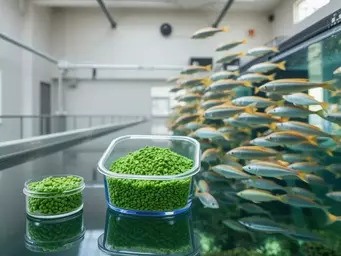
What if the secret to sustainable fish production lies in the feed? As we explore the innovations sh
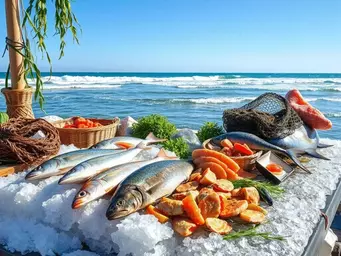
California Aquaculture Regulations Explained
Guide to California Aquaculture Regulations
Aquaculture Feed Innovations in California
Sustainable Seafood Innovations in California
California's Seafood Farming Innovations