
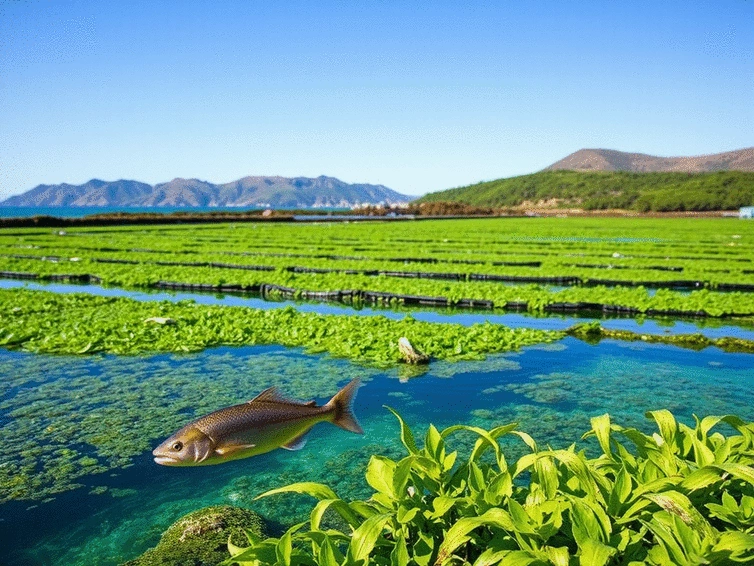
Sustainable Aquaculture’s Local Ecosystem Effects
What if the seafood on your plate could be sourced sustainably while supporting local ecosystems? The journey towards sustainable aquaculture is transforming fishing practices, providing a pathway to balance our seafood demands with ecological responsibility.
What You Will Learn
- Key principles of sustainable aquaculture emphasize minimal environmental impact and responsible sourcing.
- The California Ocean Protection Council advocates for ecosystem-based management and collaboration among stakeholders in aquaculture initiatives.
- Engaging local communities is crucial for successful aquaculture projects, promoting transparency and collective decision-making.
- The Statewide Aquaculture Action Plan provides a roadmap for balancing economic growth with environmental stewardship in California's aquaculture sector.
Sustainable Aquaculture in California: Key Pillars and Frameworks
This visual highlights the essential components driving sustainable aquaculture in California, focusing on its core principles, ecological role, and the guiding policy frameworks.
Principles of Sustainable Aquaculture
- • Minimal Environmental Impact: Protects natural habitats.
- • Responsible Sourcing: Sustainable feed & species.
- • Community Involvement: Engages locals in decisions.
Aquaculture's Role in Ecosystem Management
- • Species Restoration: Boosts native fish populations.
- • Habitat Enhancement: Mimics natural environments.
- • Water Quality Improvement: Uses filter feeders.
CA Ocean Protection Council (OPC) Principles
- • Ecosystem-Based Management: Holistic approach.
- • Collaboration & Partnerships: Stakeholder unity.
- • Research & Innovation: Supports new practices.
Statewide Aquaculture Action Plan Objectives
- • Enhanced Local Governance: Clear regulations.
- • Community Involvement: Engagement in projects.
- • Promote Sustainable Practices: Align with environmental goals.
The Impact of Sustainable Aquaculture on Local Ecosystems: A California Perspective
Sustainable aquaculture is vital for California's future, balancing seafood needs with ecological responsibility. In this article, we’ll explore the ecological benefits of sustainable practices, the role of regulatory frameworks in shaping these efforts, and the importance of community engagement. By the end, you'll gain insights into how sustainable aquaculture not only meets our seafood demands but also protects our precious marine ecosystems!
- Understanding the principles of sustainable aquaculture
- The role of regulations in promoting sustainability
- Engaging local communities in aquaculture initiatives
Through this exploration, we’ll highlight the positive ripple effects that sustainable fish farming has on both the environment and local economies. This journey emphasizes the interconnectedness of our food systems and ecosystems—one that I’m passionate about as the founder of Cal Fish Farm.
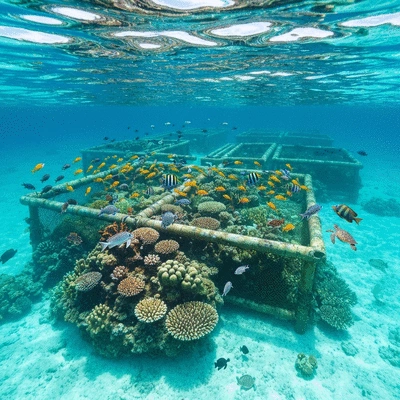
Understanding Sustainable Aquaculture in California
What is Sustainable Aquaculture?
Sustainable aquaculture refers to the farming of fish and other aquatic organisms while ensuring minimal impact on the surrounding environment. In California, this means adhering to principles such as resource efficiency, ecosystem health, and social responsibility. We aim for practices that support both fish populations and the broader marine ecosystems. The National Science and Technology Council's Subcommittee on Aquaculture Research Plan Progress Report offers a comprehensive overview of ongoing efforts to advance aquaculture research and its sustainable implementation, highlighting how these efforts contribute to responsible marine resource management.
Key principles of sustainable aquaculture involve:
- Minimizing environmental impact – Using methods that protect natural habitats
- Responsible sourcing – Ensuring fish feed and species choices are sustainable
- Community involvement – Engaging local communities in the decision-making process
As we delve deeper into these concepts, you'll see just how critical sustainable aquaculture is in preserving our aquatic resources while providing high-quality seafood.
The Role of Aquaculture in Marine Ecosystem Management
Aquaculture plays a significant role in marine ecosystem management by supporting species restoration and enhancing habitats. For instance, certain aquaculture practices can aid in restoring local fish populations and improving water quality. This is crucial for maintaining biodiversity and ensuring healthy coastal ecosystems. Implementing sustainable aquaculture management systems is essential for balancing ecological preservation with economic viability, as detailed by Food Forward NDCs.
- Species Restoration – Raising and releasing native fish species to boost populations
- Habitat Enhancement – Implementing farming practices that mimic natural environments
- Water Quality Improvement – Utilizing filter feeders to clean coastal waters
By integrating aquaculture into these management strategies, we can work towards a more sustainable future for both our oceans and the communities that depend on them. Let's explore how these policies are shaped in California next!
We Want to Hear From You!
What do you think about the role of sustainable aquaculture in protecting local ecosystems? Share your thoughts below:
Policy and Governance Framework
When it comes to sustainable aquaculture in California, understanding the policy and governance framework is crucial. This framework shapes the practices that guide local aquaculture initiatives, ensuring they align with environmental goals and community needs. By diving into the principles of the California Ocean Protection Council and the objectives of the Statewide Aquaculture Action Plan, we can better appreciate how these policies support responsible seafood sourcing and ecosystem health.
California Ocean Protection Council Principles
The California Ocean Protection Council (OPC) establishes guiding principles that serve as a foundation for sustainable aquaculture practices. These principles emphasize the need for ecosystem-based management and the integration of scientific research into policy-making. The OPC envisions a collaborative approach, where stakeholders—including farmers, scientists, and community members—work together for the betterment of marine ecosystems.
- Promote ecosystem-based management approaches.
- Encourage collaboration and partnerships among stakeholders.
- Support research and innovation in aquaculture practices.
These principles are not just theoretical; they have practical implications for how aquaculture is conducted in California. By adhering to these guidelines, farmers can contribute to the health of our marine environments, ensuring the sustainability of their operations and the communities they serve.

Statewide Aquaculture Action Plan
The Statewide Aquaculture Action Plan outlines a roadmap for aquaculture development that balances economic growth with environmental stewardship. This plan sets forth specific objectives that aim to enhance local governance and community engagement. For example, it advocates for the establishment of aquaculture opportunity areas, where activities can be carried out sustainably and effectively.
- Enhance local governance through clear regulatory frameworks.
- Support community involvement in aquaculture projects.
- Promote sustainable practices that align with environmental goals.
By implementing the objectives of this plan, we can foster a robust aquaculture industry that benefits both the economy and our ecosystems. It’s exciting to see how initiatives like these can pave the way for a more sustainable future in California!
Recap of Key Points
Here is a quick recap of the important points discussed in the article:
- Sustainable aquaculture minimizes environmental impact through resource-efficient practices.
- Regulatory frameworks, such as the California Ocean Protection Council principles, guide sustainable practices and encourage stakeholder collaboration.
- Community engagement is crucial for successful aquaculture initiatives and helps align projects with local needs.
- Aquaculture supports marine ecosystem management through species restoration, habitat enhancement, and water quality improvement.
- The Statewide Aquaculture Action Plan aims to balance economic growth with environmental stewardship.
Frequently Asked Questions About Sustainable Aquaculture in California
- What are the core principles of sustainable aquaculture?
- The core principles include minimizing environmental impact, responsible sourcing of feed and species, and fostering community involvement in decision-making processes.
- How does aquaculture contribute to marine ecosystem management?
- Aquaculture aids in species restoration by boosting native fish populations, enhances habitats by mimicking natural environments, and improves water quality through the use of filter feeders.
- What role does the California Ocean Protection Council (OPC) play in sustainable aquaculture?
- The OPC establishes guiding principles for sustainable practices, emphasizing ecosystem-based management, collaboration among stakeholders, and supporting research and innovation in aquaculture.
- What is the purpose of the Statewide Aquaculture Action Plan?
- The plan outlines a roadmap for aquaculture development that balances economic growth with environmental stewardship. Its objectives include enhancing local governance, supporting community involvement, and promoting sustainable practices.
- Why is community engagement important in sustainable aquaculture projects?
- Community engagement is crucial for successful projects as it promotes transparency, ensures collective decision-making, and helps align aquaculture initiatives with local needs and values.

California Aquaculture Regulations Explained
Guide to California Aquaculture Regulations
Aquaculture Feed Innovations in California
Sustainable Seafood Innovations in California
California's Seafood Farming Innovations