Sustainable Fish Choices in California
What if your seafood choices could impact the health of our oceans? By making informed decisions at the market, you can be a part of the solution, helping to preserve California's unique aquatic ecosystems. Let's explore key insights that will empower you to choose sustainable fish!
What You Will Learn
- Understanding sustainability in fish consumption is crucial for preserving ecosystems and ensuring future generations have access to seafood.
- Choosing sustainable fish supports local economies and helps maintain healthy fish populations, ultimately benefiting our oceans.
- Recognizing key endangered species, such as the Delta Smelt and Green Sturgeon, can guide consumers in making responsible seafood choices.
- Practical tips for purchasing sustainable fish include checking labels for certifications, knowing seasonal availability, and asking questions about sourcing.
California's Sustainable Fish Landscape
Understanding which fish are endangered, of special concern, or notable for consumption is vital for sustainable choices. This overview categorizes key species mentioned in California's aquatic ecosystems.
Endangered Species
- • Delta Smelt
Critically threatened due to overfishing, pollution, and habitat destruction.
Species of Special Concern
- • Green Sturgeon
- • Southern California Steelhead
Vulnerable to habitat loss and climate change; require protection.
Notable Marine Species
- • Salmon
- • Tuna
- • Dungeness Crab
Popular choices, but their sustainability requires regular monitoring.
Sustainable Seasonal Availability
- • Rockfish (Summer)
- • Pacific Salmon (May-Sept)
- • Mahi-Mahi (June-Sept)
- • Dungeness Crab (Nov-June)
Choosing seasonal options supports abundance and responsible harvesting.
Understanding Sustainable Fish Choices in California
As we dive into the vibrant world of California's aquaculture, it's essential to understand how our choices impact both the ocean and our plates. Making informed decisions about what seafood we consume is a powerful way to support sustainable practices. By choosing the right fish, we can help preserve our aquatic ecosystems and enjoy delicious meals that are kind to our environment!
Sustainability in fish consumption means selecting seafood that is sourced responsibly, ensuring that fish populations remain healthy and ecosystems thrive. It’s about understanding the nuances of fish farming and fishing practices, and how they affect the balance of nature. So, what does it mean to make sustainable fish choices? Let’s explore!
The Importance of Making Informed Choices
Informed choices lead to responsible consumption, and this applies especially to seafood. As consumers, we have the power to influence the market by opting for fish that are harvested sustainably. This not only supports local fish farms but also contributes to the health of our oceans. Are you ready to make a difference with every meal? Let’s delve into the definition of sustainability!
Defining Sustainability in Fish Consumption
Sustainability in fish consumption refers to practices that ensure fish stocks are harvested in a manner that meets present needs without compromising future generations. It involves considering factors such as breeding rates, environmental impact, and the overall health of fish populations. When we choose to eat sustainably, we’re not just filling our plates; we’re making a commitment to the health of our planet.
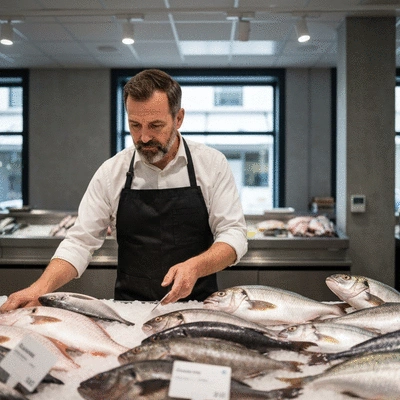
Moreover, sustainable practices often involve transparency in sourcing, letting you know precisely where your fish comes from. This kind of transparency is something I always advocate for at Cal Fish Farm, as it empowers consumers to make informed decisions! For reliable information on sustainable seafood, consider consulting resources like the Environmental Action Committee of West Marin, which provides valuable insights into local efforts.
Why Sustainable Fishing Matters for California's Ecosystem
California's coastal and freshwater ecosystems are not only vital for biodiversity but also crucial for our local economies. Sustainable fishing helps protect these ecosystems by preventing overfishing, which can lead to the decline of various species and disrupt the balance of aquatic life. This is particularly important in California, where unique species like the Delta Smelt and Green Sturgeon face threats from habitat loss and climate change.
By choosing sustainable fish options, we support efforts that promote healthy ecosystems. The ripple effect of this choice can bolster the populations of vulnerable species, ensuring that future generations enjoy the rich marine resources California has to offer! To stay informed about salmon populations and fishing regulations, you can refer to annual reports and guidelines from sources like NOAA Fisheries.
California's Unique Freshwater and Saltwater Fish Species
California is home to a diverse range of both freshwater and saltwater fish species. Understanding these unique species is essential when making sustainable seafood choices. From the vibrant bays of the Pacific to the intricate river systems inland, each habitat hosts fish that contribute to our ecological balance.
- Freshwater Species: Trout, Bass, and the endangered Delta Smelt
- Saltwater Species: Salmon, Tuna, and Dungeness Crab
- Rare Species: Green Sturgeon and their ecosystem roles
Recognizing these species and their status can guide you in making better choices. With the right information, we can all do our part to ensure that our fish choices support the sustainability of these precious ecosystems!
Overview of Endangered Freshwater Fish in California
California’s freshwater systems are home to some of the most vulnerable fish species in the country. Among them, the Delta Smelt has become a symbol of the challenges faced by freshwater ecosystems. Overfishing, pollution, and habitat destruction have all contributed to the decline of this species, making it critically endangered. Understanding these dynamics is crucial for anyone interested in sustainable seafood.
In addition to the Delta Smelt, species like the Green Sturgeon are also on the brink. These fish play vital roles in their ecosystems, and their decline signals the need for immediate action. By learning about these species, we can advocate for practices that support their survival and the broader health of our waterways.
Key Species of Special Concern: Delta Smelt, Green Sturgeon, and More
When we discuss sustainability, it’s essential to highlight specific species that are under threat. Here are a few key species of special concern in California:
- Delta Smelt: Once abundant, now critically endangered.
- Green Sturgeon: Facing habitat loss and challenges from climate change.
- Southern California Steelhead: A unique trout species that needs our protection.
These species remind us why making informed fish choices is more than just a personal decision—it's a community responsibility. By avoiding fish that threaten these species, we can help foster a healthier ecosystem for everyone!
Notable Marine Species: Salmon, Tuna, and Dungeness Crab
On the flip side, California's coastal waters are teeming with delicious fish like Salmon, Tuna, and Dungeness Crab, which are popular among consumers and chefs alike. Sustainable populations of these species not only provide us with delightful meals but also support local economies and fishing communities.
However, it’s essential to verify the sustainability of these species regularly. By staying informed about their populations and the impact of fishing practices, we can enjoy these tasty options while ensuring we do our part to keep our oceans healthy!
Pro Tip
When purchasing seafood, always ask your fishmonger about the sourcing practices of the fish. Knowing whether your fish is wild-caught or farmed, and the sustainability certifications it carries, can enhance your confidence in making responsible choices. Remember, supporting sustainable fisheries not only benefits the ecosystem but also ensures the freshness and quality of your meals!
Taking Action for Sustainable Fish Consumption
At Cal Fish Farm, we believe that every meal can be an opportunity to make a difference! Understanding how to choose sustainable fish not only supports our local economy but also safeguards our precious aquatic ecosystems. Let’s explore some practical tips for purchasing sustainable fish that can help you make informed choices at the market.
Practical Tips for Purchasing Sustainable Fish
When it comes to buying sustainable fish, being informed is key. Here are some straightforward tips to ensure you're making the best choices for both your plate and the planet:
- Check labels: Look for sustainability certifications from trusted organizations like the Marine Stewardship Council (MSC) or the Aquaculture Stewardship Council (ASC).
- Know seasonal availability: Familiarize yourself with what’s in season in California—this ensures you’re choosing fish that are abundant and responsibly harvested.
- Ask questions: Don’t hesitate to inquire with your fishmonger about the fish’s origin and fishing methods. Transparency goes a long way!
- Explore local options: Supporting local fish farms not only guarantees freshness but also helps reduce your carbon footprint.
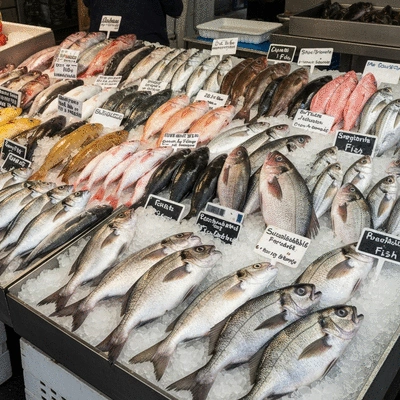
By following these tips, you can feel confident about your choices and enjoy the flavors that sustainable seafood has to offer! To further enhance your culinary experience, consider trying out some delicious recipes that highlight sustainable fish. For comprehensive guidance on sustainable seafood choices, including a detailed consumer guide for the West Coast, refer to resources like Seafood Watch.
Shopping Guides and Seasonal Availability
Understanding what fish are in season is crucial for making sustainable choices. In California, some popular sustainable options include:
- Rockfish – Best enjoyed in the summer months.
- Pacific salmon – Typically available from May through September.
- Mahi-mahi – Often at its peak from June to September.
- Dungeness crab – Deliciously fresh from November to June.
Using seasonal availability not only supports sustainable practices but also ensures the freshest flavors in your meals! Pair your fish with vibrant, seasonal vegetables to create a well-rounded and responsible dish.
Cooking and Enjoying Sustainable Fish: Recipes and Ideas
There's nothing quite like the taste of fresh, sustainable fish! Here are some quick and easy cooking ideas to inspire you:
- Grilled Rockfish Tacos – Marinate with lime and cilantro for a refreshing twist!
- Baked Salmon with Honey-Mustard Glaze – A delectable way to enjoy salmon, packed with flavor.
- Mahi-Mahi Fish Sandwiches – A light and tasty option for a summer picnic.
- Dungeness Crab Pasta – Elevate your weeknight dinner with this luxurious dish.
Cooking with sustainable fish not only benefits your health but also fosters greater awareness of our environmental impact. Now, let’s explore how individual choices truly matter in the grand scheme of fish conservation.
Your Role in Fish Conservation and Sustainability
Every decision we make at the dinner table can ripple through our ecosystems! As consumers, our choices can drive demand for sustainable practices. Let’s take a closer look at how your actions can foster a healthier planet.
How Individual Choices Impact the Ecosystem
When you choose sustainable seafood, you are voting with your fork! Here are some ways your choices can create a positive impact:
- Promoting responsible fisheries – Supporting businesses that prioritize sustainability encourages more to adopt these practices.
- Reducing overfishing – By avoiding overfished species, you help balance fish populations and contribute to healthier oceans.
- Advocating for local farms – Choosing local means less transportation emissions and a stronger community economy.
By taking these steps, you not only enjoy delicious seafood but also contribute to the preservation of California's unique aquatic environments. It’s empowering to know that your choices can lead to meaningful change!
Frequently Asked Questions (FAQs)
What does "sustainable fish consumption" mean?
Sustainable fish consumption means choosing seafood that is sourced responsibly, ensuring that fish populations remain healthy and ecosystems thrive for future generations. It considers factors like breeding rates, environmental impact, and overall fish population health.
Why is sustainable fishing important for California?
Sustainable fishing is crucial for California because its coastal and freshwater ecosystems are vital for biodiversity and local economies. It prevents overfishing, which can lead to the decline of species like the Delta Smelt and Green Sturgeon, and helps maintain the balance of aquatic life.
Which California fish species are endangered or of special concern?
The Delta Smelt is critically endangered, while the Green Sturgeon and Southern California Steelhead are species of special concern, vulnerable to habitat loss and climate change. Consumers are encouraged to avoid these species to support their recovery.
How can I make sustainable choices when buying fish?
Practical tips include checking for sustainability certifications (e.g., MSC, ASC), knowing seasonal availability of fish, asking fishmongers about origin and fishing methods, and exploring local fish farm options. These actions help ensure you're making responsible choices.
What are some popular sustainable fish options in California?
Popular sustainable options include Rockfish (summer), Pacific Salmon (May-September), Mahi-Mahi (June-September), and Dungeness Crab (November-June). Choosing seasonal options supports responsible harvesting and ensures freshness.
Joining Community Efforts and Advocacy for Better Practices
One of the most rewarding aspects of sustainable living is engaging with like-minded individuals! Get involved with local initiatives or advocacy groups focused on sustainable fishing. Here are some ways you can make an impact:
- Volunteer for local conservation projects – Hands-on work helps protect our natural resources.
- Attend community meetings – Stay informed about local policies affecting fish populations.
- Spread the word – Share your knowledge with friends and family to amplify the message of sustainability.
Actively participating in these efforts not only enriches your life but also strengthens the community’s resolve towards sustainability. Together, we can create a brighter future for our oceans!
Final Thoughts on Sustainable Fish Choices in California
As we wrap up, remember that every choice you make contributes to a larger movement towards sustainable seafood practices. It’s all about making informed decisions that align with your values.
Encouraging Informed Consumption for a Healthier Planet
Being a responsible consumer means understanding the impact of your seafood choices. By supporting sustainable practices, you help protect our precious marine ecosystems and ensure future generations can enjoy what the ocean has to offer!
Call to Action: Get Involved and Make a Difference
Ready to take action? Explore local seafood markets, participate in community events, and advocate for sustainable practices. Every small step counts, and together, we can make a significant impact!
Understanding Seafood Fraud and Promoting Responsible Seafood Sourcing
Finally, stay vigilant against seafood fraud! Being informed about the sources of your seafood can help combat this issue. Educate yourself and others on recognizing responsible sourcing to ensure that your seafood is both sustainable and genuine.
With your involvement, we can pave the way for a more sustainable seafood future in California. Let’s take that journey together!
Recap of Key Points
Here is a quick recap of the important points discussed in the article:
- Making informed seafood choices supports sustainable practices and helps preserve aquatic ecosystems.
- Sustainability in fish consumption involves transparency in sourcing and responsible harvesting practices.
- Understanding the seasonal availability of fish can enhance sustainability and ensure freshness.
- Choosing local fish helps reduce carbon footprints and supports local economies.
- Engaging with community efforts and advocacy can strengthen the movement towards sustainable fishing.
California Aquaculture Regulations Explained
Guide to California Aquaculture Regulations
Aquaculture Feed Innovations in California
Sustainable Seafood Innovations in California
California's Seafood Farming Innovations