Sustainable Seafood Principles
- ✓Fish populations managed to prevent overfishing.
- ✓Farming practices minimize pollution & habitat destruction.
- ✓Supply chain respects workers' rights & communities.
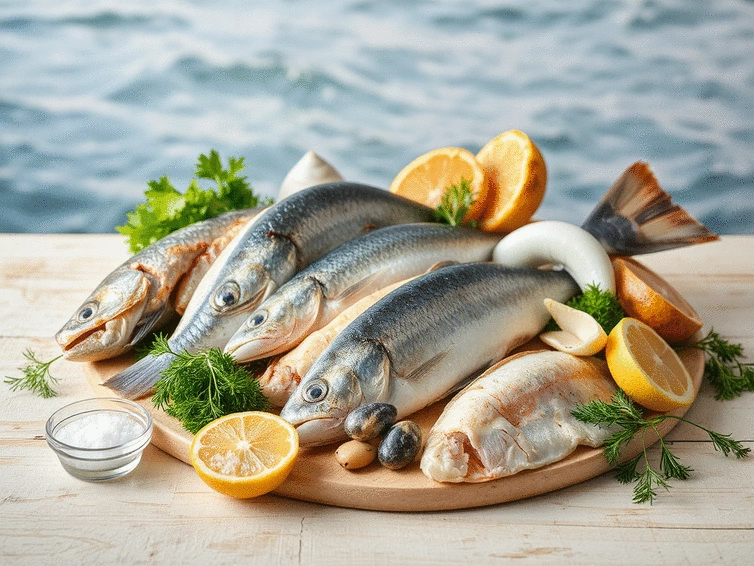
What if each meal you enjoy could play a part in preserving our oceans? Your seafood choices have the power to influence marine ecosystems and support sustainable practices. Let's explore how informed decisions can create positive change!
Understanding the impact of our seafood choices is crucial. Below, we compare the characteristics and effects of different seafood practices.
As consumers and restaurant owners, we have a powerful role to play in shaping the future of our oceans through our seafood choices. Sustainable seafood ensures that the fish on our plates is sourced responsibly, preserving marine ecosystems for generations to come. But what exactly does sustainable seafood mean, and why is it a critical concern for all of us?
Sustainable seafood choices focus on fish and seafood that are caught or farmed in ways that maintain or improve the health of our oceans. This means prioritizing practices that minimize environmental impact while supporting local economies. At Cal Fish Farm, we believe that understanding these choices empowers consumers and chefs alike to make informed decisions.

When we talk about sustainable seafood, we are referring to fish and shellfish harvested or farmed in a way that ensures their populations remain healthy and the ecosystems around them continue to thrive. This definition encompasses several principles, as highlighted by the NOAA Fisheries' insights into seafood sustainability:
By recognizing these principles, we can make choices that not only benefit our health but also contribute to the long-term viability of marine life. Choosing sustainable seafood is a collective effort that directly impacts our oceans!
Every time we purchase seafood, we’re casting a vote for the kind of practices we want to support. Overfishing and harmful fishing methods threaten marine ecosystems and biodiversity. By opting for sustainable options, we help protect vulnerable species and their habitats. Here’s how your purchasing decisions can make a difference:
It’s essential to recognize that our collective demand shapes market trends. When we prioritize sustainability, we encourage more businesses to follow suit, fostering a greater impact on marine conservation. Let’s not underestimate the power of our choices!
The debate between wild-caught and farmed fish often raises questions about nutritional value, environmental impact, and sustainability. Wild-caught fish is typically sourced from oceans, rivers, or lakes, while farmed fish are bred and raised in controlled environments. Each option has its advantages and challenges:
As we navigate these choices, it’s vital to consider the source and farming practices involved. At Cal Fish Farm, we advocate for transparency in sourcing, helping consumers and chefs alike make informed decisions. Understanding these distinctions enables us to select seafood that aligns with our values and contributes to a healthier ecosystem.
We want to know your thoughts! How often do you choose sustainable seafood options when dining out or shopping for groceries?
Sustainable seafood refers to fish and shellfish that are harvested or farmed in ways that ensure the long-term health of marine ecosystems and fish populations, minimizing environmental impact and supporting responsible labor practices.
Every seafood purchase supports specific fishing or farming practices. Opting for sustainable choices helps prevent overfishing, protects vulnerable marine species and their habitats, and encourages responsible industry practices.
Wild-caught fish are sourced from natural environments like oceans or rivers. While often considered natural, they can contribute to overfishing if not managed sustainably. Farmed fish are raised in controlled environments and can be more sustainable if managed carefully to avoid pollution and disease. Both can be sustainable depending on specific practices.
Consumers can use resources like the Monterey Bay Aquarium's Seafood Watch program, the Marine Stewardship Council (MSC) certification, or the Aquaculture Stewardship Council (ASC) label. These programs provide guidelines and certifications for responsibly sourced seafood.
Yes, restaurants can utilize certification comparison checklists, vendor sustainability ratings, and information on seasonal availability of local seafood. These tools help streamline sourcing and ensure they offer high-quality, sustainable options to their patrons.
As a consumer or a restaurant owner, the choices you make about seafood can create a ripple effect in our oceans and communities. Understanding the value of sustainable seafood choices is essential for fostering a healthier environment and a thriving aquaculture industry. Let’s dive into some real-world success stories that highlight the positive impacts these choices can make!
In my journey at Cal Fish Farm, I've encountered inspiring stories that illustrate how responsible seafood sourcing benefits both consumers and restaurants. These examples not only spotlight the importance of sustainability but also demonstrate how easy it is to make a difference. Here are a few standouts:
These stories are just a glimpse into what’s possible when we prioritize sustainability in our seafood choices. They remind us that every effort counts and that each individual action can lead to impactful change.
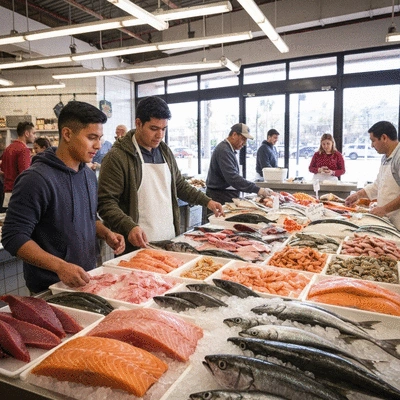
So, how can you get involved in supporting sustainable seafood practices? There are excellent resources and tools available to empower both consumers and restaurants in making informed decisions.
One standout resource is the Seafood Watch program, which provides up-to-date information about sustainable seafood choices. By utilizing their easy-to-navigate guides, you can make environmentally friendly decisions effortlessly! Here are some additional resources to consider:
These tools not only enhance your knowledge but also enable you to make choices that align with your values regarding aquatic ecosystem preservation.
For restaurant owners, understanding the plethora of certifications can be overwhelming. That's why having a clear certification comparison checklist can simplify the process. Here’s a quick overview of what you should include:
Implementing a checklist can streamline your sourcing strategy, ensuring you're providing high-quality, sustainable options to your patrons while supporting responsible practices.
The Seafood Sustainability Index offers an invaluable resource for understanding the environmental impacts of various seafood options. This index serves as a comprehensive guide, ranking seafood choices based on sustainability metrics. Utilizing this tool can help both consumers and restaurants make informed decisions that benefit both the planet and their palates.
Here is a quick recap of the important points discussed in the article:
California Aquaculture Regulations Explained
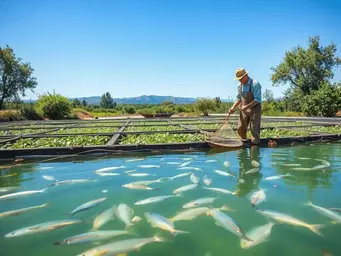
Every aspiring aquaculture farmer in California should be equipped with knowledge about the vital re
Guide to California Aquaculture Regulations
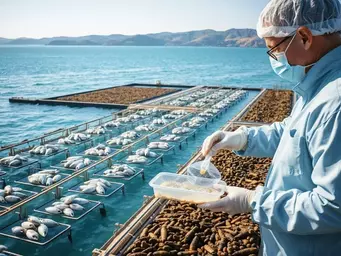
What does the future of seafood look like in California? If you're considering diving into aquacultu
Aquaculture Feed Innovations in California
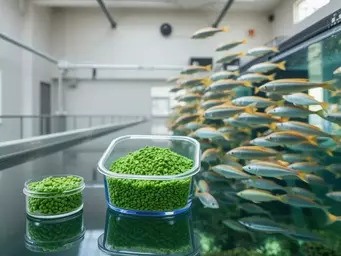
What if the secret to sustainable fish production lies in the feed? As we explore the innovations sh
California Aquaculture Regulations Explained
Guide to California Aquaculture Regulations
Aquaculture Feed Innovations in California
Sustainable Seafood Innovations in California
California's Seafood Farming Innovations