What if your next seafood meal was not just delicious, but also a product of sustainable practices that support local communities? The farm-to-table sustainable seafood movement is redefining how we connect with our food, and understanding its benefits can change the way we eat.
What You Will Learn
Farm-to-table sustainable seafood emphasizes local sourcing to promote freshness and minimize environmental impacts.
California farmers are pioneering innovative techniques, establishing rigorous sustainability standards in seafood production.
Certifications like the Marine Stewardship Council (MSC) enhance consumer trust by ensuring seafood is sourced responsibly.
Addressing regulatory challenges and embracing collaboration can foster a resilient seafood industry while promoting sustainability.
Strategic partnerships and community outreach are essential for expanding sustainable seafood practices into broader markets.
A traceable supply chain enhances transparency, allowing consumers to make informed and responsible seafood choices.
Understanding Sustainable Seafood: Key Concepts and Future Strategies
This visual highlights the core elements of sustainable seafood, the role of California farmers, and the strategies for building a traceable supply chain and scaling sustainable practices.
Farm-to-Table Sustainable Seafood: Benefits
The movement emphasizes sourcing seafood locally, responsibly farmed or harvested, with significant advantages:
Consumer Education: Verifying sources via certifications.
Understanding California's Farm-to-Table Sustainable Seafood Movement
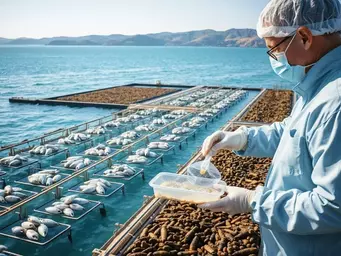
As we dive into the world of sustainable seafood, it’s essential to grasp what farm-to-table sustainable seafood truly means. This movement emphasizes sourcing seafood directly from local farms and the ocean, promoting freshness while minimizing environmental impact. By building connections between consumers and producers, we’re fostering a system that values responsible practices and supports local communities.
At Cal Fish Farm, we believe that understanding the journey of your seafood—from the farm to your plate—can greatly enhance your appreciation for what you eat. Imagine savoring a delicious fish dish, knowing it was raised sustainably just a short distance away!
What is Farm-to-Table Sustainable Seafood?
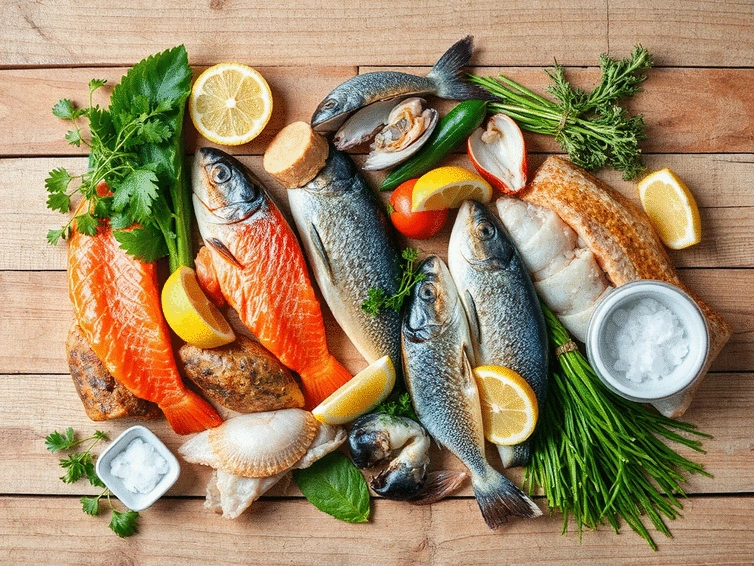
The farm-to-table concept extends beyond just fresh ingredients; it embodies a commitment to sustainability. When it comes to seafood, this means prioritizing fish that are responsibly farmed or harvested. The benefits of this approach include reduced carbon footprints, enhanced fish quality, and support for local economies.
Freshness: Seafood travels less distance, retaining more nutrients and flavor.
Quality Control: Local farms adhere to strict sustainability standards, ensuring healthier fish.
Community Impact: Supporting local aquaculture contributes to regional economies and job creation.
With a focus on local sourcing, consumers are empowered to make informed choices that align with their values. This movement is not just a trend; it’s a necessary shift towards a more sustainable future for our oceans and communities.
The Role of California Farmers in Setting Sustainable Standards
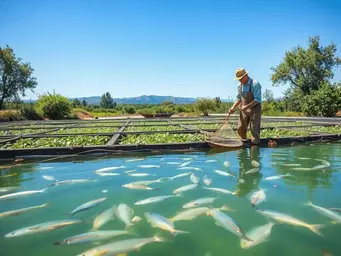
California farmers are at the forefront of the sustainable seafood movement. Their innovative techniques and commitment to environmental stewardship set a benchmark for the industry. Through practices like integrated multi-trophic aquaculture and organic fish farming, these pioneers are reshaping how we view seafood production. The California Ocean Protection Council's Annual Report for 2024 highlights ongoing efforts and achievements in sustainable aquaculture within the state, showcasing the commitment to marine health.
Local Expertise: Farmers understand the unique conditions of California’s aquatic ecosystems.
Community Relationships: Many farmers build direct connections with consumers through farmers' markets and local restaurants.
Sustainability Leadership: By adhering to rigorous standards, these farmers ensure the long-term health of marine resources.
Their dedication not only preserves the environment but also creates a vibrant culinary landscape that benefits us all. As we celebrate these farmers, we must also recognize their significant contribution to the health of California’s coastal ecosystems.
The Importance of Seafood Certifications: Marine Stewardship Council (MSC) and Beyond
In a world where seafood sourcing can be complex, certifications like the Marine Stewardship Council (MSC) play a vital role. These certifications provide consumers with essential information about how their seafood is produced, ensuring it comes from sustainable sources. This transparency fosters trust and encourages consumers to make choices that positively impact the environment. Initiatives like the National Aquaculture Initiative, supported by organizations such as California Sea Grant, aim to enhance sustainable aquaculture production and further promote responsible sourcing practices.
Traceability: Certifications allow consumers to trace seafood back to its source.
Environmental Assurance: They guarantee that the seafood was harvested with care for marine ecosystems.
Consumer Empowerment: Certifications empower consumers to support sustainable practices actively.
As we engage in discussions about the seafood we consume, understanding these certifications will guide us in making choices that align with our commitment to sustainability. Together, we can advocate for responsible seafood sourcing in California.
We Want to Hear From You!
As we explore the sustainable seafood movement, we’d love to know your thoughts! What do you think is the most important factor in choosing sustainable seafood? Share your opinions below:
The Future of Sustainable Seafood in California
As we look ahead, the future of sustainable seafood in California appears promising yet complex. With ongoing efforts to balance environmental health and economic viability, it’s crucial for farmers, consumers, and policymakers to work together. Regulatory challenges often emerge as stakeholders navigate the evolving landscape of aquaculture practices. So, what can we expect as we push towards more sustainable practices?
One significant aspect to consider is the impact of regulations on the seafood industry. Changes in policies can either hinder or enhance sustainable practices. For instance, stricter regulations may improve environmental standards, but they can also pose financial burdens on local farmers. Therefore, addressing these challenges is essential for fostering a thriving aquaculture sector. The National Oceanic and Atmospheric Administration (NOAA) plays a role in this, identifying "Aquaculture Opportunity Areas" in Southern California to promote sustainable growth.
Addressing Regulatory Challenges and Economic Impacts
In California, the regulatory environment surrounding seafood farming is constantly evolving. Challenges such as compliance costs and shifting market demands can create economic pressures. However, embracing these challenges can lead to innovative solutions. Here are some areas of focus:
Collaboration with Regulatory Bodies: Engaging with local and state agencies to develop policies that support sustainable practices.
Economic Incentives: Advocating for financial assistance or subsidies that encourage small farmers to adopt sustainable methods.
Education and Training: Providing resources and workshops for farmers to understand compliance requirements and improve farming techniques.
By addressing regulatory challenges directly, we can pave the way for a more resilient seafood industry in California. Farmers who adapt to these regulations can thrive while promoting sustainability.
Strategies for Scaling Sustainable Seafood Beyond Local Markets
Scaling sustainable seafood practices beyond local markets requires strategic planning and innovative thinking. As the demand for responsibly sourced seafood continues to grow, here are some strategies that can help expand our reach:
Partnerships with Restaurants: Collaborating with chefs and restaurants to create menus that highlight local, sustainable seafood.
Online Platforms: Utilizing e-commerce to connect consumers with local farms, making sustainable seafood easily accessible.
Community Outreach: Hosting events to educate the public about the benefits of choosing sustainable seafood.
By implementing these strategies, we can inspire consumers to prioritize local sources, fostering a culture that values sustainability across broader markets.
Building a Traceable Supply Chain in the Seafood Industry
The importance of a traceable supply chain in the seafood industry cannot be overstated. Transparency enhances consumer trust and allows for informed decisions. Here’s how we can contribute to building a more traceable seafood supply chain:
Technology Integration: Utilizing blockchain technology to track seafood from farm to table, ensuring quality and sustainability.
Farm Profiles: Creating detailed profiles for local farms that share their practices and sustainability efforts.
Consumer Education: Informing consumers about how to verify the sources of their seafood through certifications and traceability platforms.
At Cal Fish Farm, we believe in the power of transparency to connect consumers with the stories behind their seafood. By advocating for traceable supply chains, we can uplift local farmers and promote sustainable practices.
Frequently Asked Questions About Sustainable Seafood
Farm-to-table sustainable seafood emphasizes sourcing seafood directly from local farms and the ocean. This approach prioritizes freshness, minimizes environmental impact, and supports local communities by connecting consumers with responsible producers.
California farmers are leaders in sustainable seafood, employing innovative techniques like integrated multi-trophic aquaculture and organic fish farming. They set benchmarks for environmental stewardship, understand local aquatic ecosystems, and maintain rigorous standards for marine health.
Certifications such as the Marine Stewardship Council (MSC) are crucial for transparency in seafood sourcing. They provide consumers with information on how seafood is produced, ensuring it comes from sustainable sources, guarantees care for marine ecosystems, and allows consumers to trace seafood back to its origin.
The main challenges include navigating the evolving regulatory environment, managing compliance costs, and addressing economic pressures on local farmers. Collaboration with regulatory bodies and advocating for economic incentives are key to overcoming these hurdles.
Scaling sustainable seafood involves strategic partnerships with restaurants, utilizing online e-commerce platforms to reach a wider audience, and engaging in community outreach to educate the public about the benefits of choosing sustainable options.
A traceable supply chain allows consumers to track seafood from farm to table, enhancing transparency and consumer trust. It ensures quality and sustainability by providing detailed farm profiles and enabling consumers to verify sources through certifications and specialized platforms.
Recap of Key Points
Farm-to-table sustainable seafood emphasizes sourcing directly from local farms, promoting freshness and minimizing environmental impact.
California farmers lead in sustainable practices, using innovative techniques that enhance both fish quality and community relationships.
Certifications like the Marine Stewardship Council (MSC) provide consumers with essential information to ensure seafood is sustainably sourced.
Addressing regulatory challenges through collaboration and education is crucial for the future of sustainable seafood in California.
Scaling sustainable seafood practices involves partnerships with restaurants, utilizing online platforms, and community outreach to educate consumers.
At Cal Fish Farm, we are dedicated to exploring California’s dynamic aquaculture industry. Our mission is to promote sustainable practices, educate consumers, chefs, and advocates, and empower them with knowledge about responsible fish production and aquatic ecosystem management.


California Aquaculture Regulations Explained
Guide to California Aquaculture Regulations
Aquaculture Feed Innovations in California
Sustainable Seafood Innovations in California
California's Seafood Farming Innovations